Minneapolis Descends into Chaos Amid Federal Immigration Crackdown
The city of Minneapolis finds itself in a state of profound turmoil and destabilization following the deployment of federal immigration agents to the region. What began as an operational surge has escalated into what residents describe as an unprecedented disruption to daily life, with consequences rippling through every aspect of the community.
Deadly Consequences of Operation Metro Surge
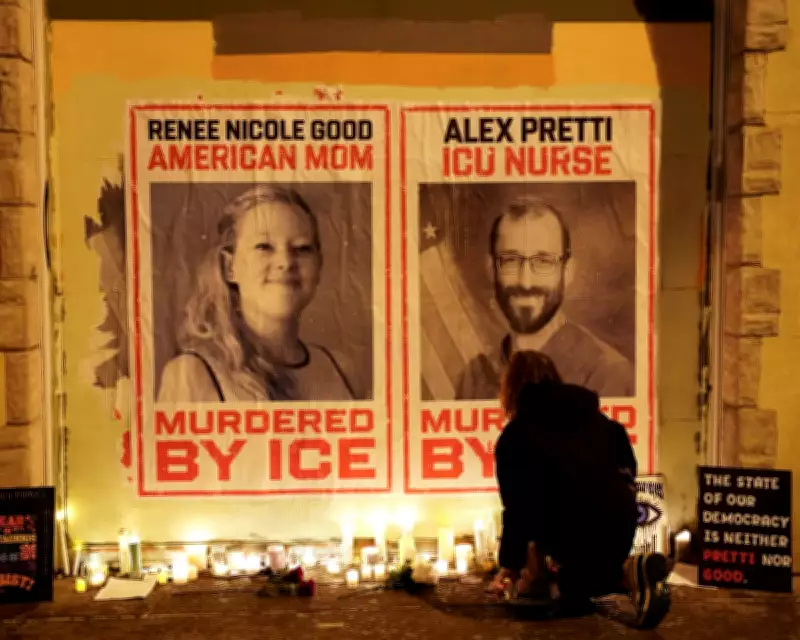
Since the initiation of Operation Metro Surge in December, federal Immigration and Customs Enforcement agents have been responsible for two fatal shootings within the Minneapolis metropolitan area. The tragedy began with the death of Renee Nicole Good, who was shot in the face by an ICE agent. This was followed weeks later by the killing of Alex Pretti, a 37-year-old Veterans Affairs nurse, who witnesses report was attempting to intervene when he saw federal agents treating another individual harshly.
Multiple eyewitnesses have characterized Pretti's death as sudden and unnecessary, with Congresswoman Ilhan Omar from Minneapolis stating the incident appears to be an execution by immigration enforcement. Minnesota State Senator Omar Fateh has echoed this disturbing assessment, highlighting the grave concerns surrounding federal tactics in the region.

Community Life Paralyzed by Federal Presence
The impact of the federal operation extends far beyond these tragic fatalities. Schools across Minneapolis have reported significant attendance declines, while numerous businesses have either closed entirely or dramatically reduced their operating hours. Residents now avoid public spaces they once frequented, creating a climate of fear and apprehension throughout the city.
Civil rights organizations document federal agents appearing at schools, places of worship, and even grocery stores, while conducting detentions at traffic lights and bus stops. In particularly alarming incidents, federal authorities detained at least two children from families seeking legal asylum, including using a five-year-old boy as bait to lure his family outside where his father was apprehended.
Local Government Operations Severely Disrupted
The chaos has penetrated even the fundamental operations of local government. Minneapolis Police Chief Brian O'Hara has publicly warned that ICE's tactics are obviously not safe, complicating essential local policing and public safety coordination efforts. Suburban police chiefs have reported ICE officers stopping off-duty officers of color, while hospital workers describe federal agents barging into patient care areas to question or detain patients.
Employers throughout the region report sudden labor shortages as workers avoid public spaces, and mutual-aid networks have had to step in to provide basic services that immigrant families need to access groceries and medicine without fear of detention or deportation.
Racist Governance and Its Broader Consequences
What Minneapolis is experiencing demonstrates how racist ideas manifest as racist policies, which in turn produce governance that is both dangerous and ineffective for all residents. The situation illustrates how grievance-based governance fails to remain confined to its intended targets, instead corroding the very institutions of the state itself.
Minneapolis hosts the largest Somali population in the United States, including Congresswoman Ilhan Omar who was born in Somalia. The Trump administration has frequently targeted this community with derogatory language, including referring to Somali immigrants as garbage and suggesting they have destroyed Minnesota. These attitudes have translated directly into policy, including recent moves to roll back temporary protections for Somalis living in the United States.
From Rhetoric to State-Sanctioned Action
The administration's inflammatory rhetoric about migrants as animals who are poisoning the blood of the nation has evolved beyond mere words into concrete state action. Federal operations specifically target cities with substantial Black, Latino, Asian, and Indigenous populations while simultaneously attacking diversity initiatives as discriminatory.

This demographic panic is now being expressed not just through political votes but through federal badges and firearms. The situation has escalated to the point where Minnesota officials have been warned that federal operations will continue unless the state surrenders voter-registration data, blurring the line between immigration enforcement and electoral coercion in deeply concerning ways.
Historical Parallels and Contemporary Implications
History reveals that racial grievance has repeatedly served as American statecraft, fracturing democratic coalitions and translating prejudice into policy. From Reconstruction-era white supremacist tactics to the Southern Strategy and the war on drugs, grievance politics has consistently proven institutionally incompetent while causing profound social harm.
New political analysis indicates that in the current political climate, grievance now outperforms material self-interest in American elections, with lower-income white voters more likely to support Trump than wealthier whites—a historic reversal of traditional class-based voting patterns. This shift has direct consequences for governance quality and effectiveness.
The Human and Economic Toll of Polarized Governance
One year into the current presidential administration, the costs of this approach are becoming increasingly apparent. While immigration enforcement has surged dramatically, job growth has softened and household electricity prices have risen despite campaign promises to the contrary. Approval ratings have declined even among traditional Republican supporters, suggesting growing public awareness of the consequences of governance driven by division rather than effective administration.
By operationalizing bigotry, the current administration is not enhancing national security but rather constricting the nation's social fabric and institutional effectiveness. The Minneapolis situation serves as a stark warning of what occurs when governance prioritizes grievance over competent administration, with consequences that extend to every resident regardless of background or immigration status.