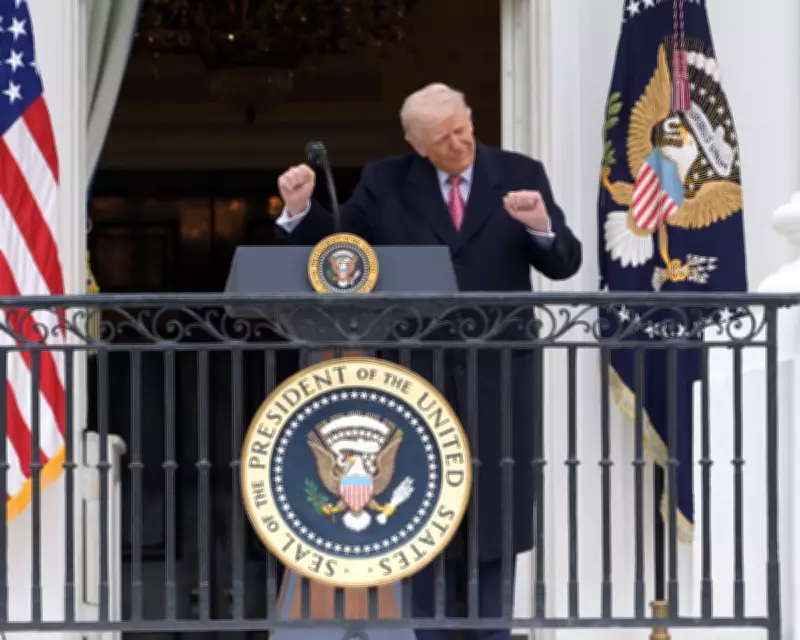
Donald Trump recently addressed American farmers at the White House, showcasing his ongoing influence in US politics. However, his presidency has left the world grappling with uncertainty, particularly in handling his aggressive foreign policy moves.
The Dual Nature of US Actions
The United States demonstrates remarkable contrasts, from advancing space exploration to threatening Iran with severe consequences. While sending humans to the moon serves prestige, Trump's threats against Iran, reminiscent of past conflicts like Vietnam, raise alarms about direction and stability.
Personal Vanity and Global Disorder
Trump's actions in Iran appear driven by personal vanity, seeking to impose his will globally. Alongside Vladimir Putin, he contributes to global disorder, highlighting the danger of individuals wielding immense power without broader national representation. These conflicts likely wouldn't exist without their influence, urging a realistic and proportional global response.

Iran's role as a destabilizing force in the Middle East is undeniable, but Trump's shift from criticizing past US interventions to engaging in violence underscores the seduction of office. His regrets may emerge, and helping him extricate himself could serve global interests, akin to historical precedents like Nixon in Vietnam.
Constitutional Constraints and Political Realities
Internal checks within the White House have weakened, with Trump surrounding himself with loyalists rather than moderates. Discussions of the 25th amendment remain unlikely, and key figures like Marco Rubio or JD Vance seem unable to curb his escalation. Threats against Iran's infrastructure, such as water desalination plants, risk catastrophic retaliation, showcasing irresponsible warmongering.
Congress and the Supreme Court have been largely inert, cowed by Trump's electoral strength. Upcoming midterm elections may shift this dynamic, potentially leading to Democrat majorities and increased checks on presidential powers, including vetoes and impeachment proceedings.
International Reactions and Alliances
Trump's alienation of allies through insults, tariffs, and threats to abandon NATO complicates global diplomacy. European powers wisely avoid direct involvement in the Iran war while supporting Ukraine, emphasizing the need for unity and patience. Pessimism about US-Europe relations post-Trump is unfounded; efforts to repair damage will follow his departure.
The Power of Time and Democratic Safeguards
The 22nd amendment limits presidential terms, offering a safeguard through time. Post-midterms, Trump's base may weaken, empowering opponents across Congress, states, and media. This shift will facilitate mending global alliances and restoring stability, such as resuming oil flow through the Strait of Hormuz.
Keir Starmer's call for UK cooperation with Europe on economic and defence security highlights the importance of realism. Moving beyond Brexit petulance, European unity can foster sensible outcomes from this turbulent period.
In summary, handling Trump requires patience, leveraging constitutional mechanisms, and strengthening international cooperation to navigate this challenging era in global politics.