UK Chancellor Escalates Criticism of Trump's Iran Military Action
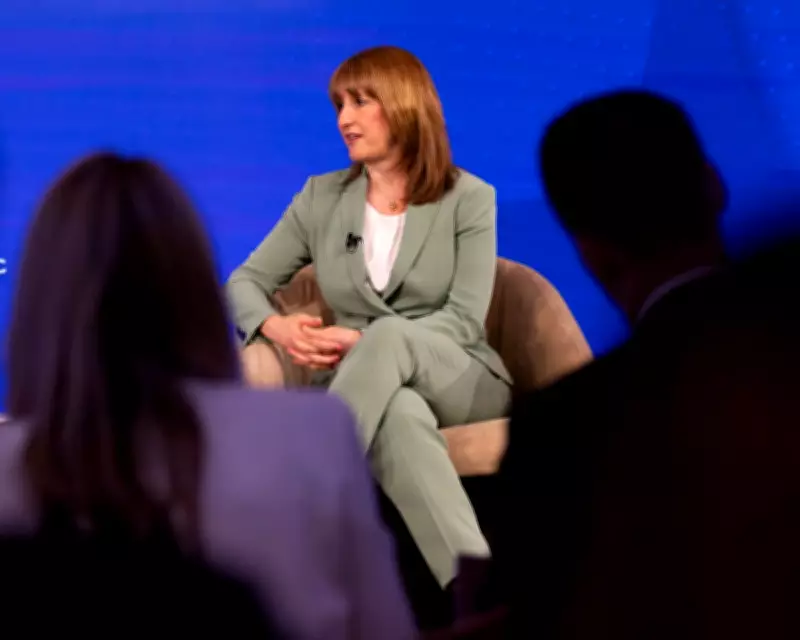
In a significant diplomatic development, British Chancellor Rachel Reeves has sharply criticized former US President Donald Trump's military actions against Iran, labeling the conflict a "mistake" that has created global economic instability and reduced living standards worldwide. Speaking at an event in Washington DC, Reeves expressed deep concerns about the transatlantic relationship fraying due to Trump's approach to Middle Eastern diplomacy.
Economic Consequences and Diplomatic Breakdown
Reeves told attendees at the CNBC Invest in America conference that she remains unconvinced that the world has become safer since Trump broke off diplomatic talks with Iran and initiated airstrikes. The chancellor emphasized that the conflict has left the United States in a worse strategic position than before hostilities began, with unclear objectives complicating resolution efforts.
"I think it was a mistake to end those negotiations with Iran and to enter into conflict," Reeves stated unequivocally. "I'm not convinced that we are safer today than we were a few weeks ago." Her comments represent a notable escalation in criticism from a key US ally, particularly coming on American soil during the International Monetary Fund's spring meetings.

Global Economic Impact and Energy Concerns
The economic ramifications of the Iran conflict have become increasingly severe, according to financial experts. The International Monetary Fund warned that further escalation could trigger a global recession, with the United Kingdom potentially suffering more than any other G7 nation. Global government debt levels risk reaching their highest point since World War II due to the economic fallout.
Reeves highlighted specific concerns about energy markets, calling for the urgent reopening of the Strait of Hormuz to stabilize global energy prices. "We had the waterway open a few weeks ago," she noted. "So if now the objective is to reopen the Strait of Hormuz? Well it was open at the beginning of this conflict." This statement underscores the confusion surrounding US strategic goals in the region.
Diplomatic Channels Versus Military Action
The British chancellor argued forcefully for diplomatic solutions over military confrontation. "They don't have a nuclear weapon today," Reeves said of Iran. "And what do people think is the best way to stop that from happening? Is it through conflict or is it through diplomacy? And I believe it is through diplomacy. There was a diplomatic channel open. The discussions, formal discussions, were happening."
Reeves explained that she came to the IMF meetings specifically to deliver what she called a "fair message" about how the Middle East conflict is damaging living standards globally and requires immediate de-escalation. "We feel very strongly in our national interest that de-escalation is now the key priority," she emphasized. "That's what businesses and families are telling me back home and that's the message I'm coming here to Washington to give this week."
Strained UK-US Relations and Trade Implications
The criticism comes amid increasingly tense relations between Downing Street and the White House. After initial efforts by Prime Minister Keir Starmer to maintain positive relations with Trump—which helped secure the first US trade deal to mitigate tariffs—relations have deteriorated over the UK's decision not to join offensive actions against Iran.
Trump has responded with personal attacks against Starmer and threatened to revoke the bilateral trade agreement, warning it could "always be changed." The former president also shared an article criticizing Starmer's defense spending commitments on his Truth Social platform.
Despite these tensions, Reeves maintained that the UK and US remain on generally good terms as she prepared for talks with US Treasury Secretary Scott Bessent. "Friends are allowed to disagree on things," she remarked. "When you are friends you can speak your truth and deliver that fair message."

International Response and Joint Statement
The economic concerns have prompted coordinated international action. Reeves joined finance ministers from ten other nations—including Australia, Japan, Spain, and Sweden—in issuing a joint statement about the economic damage from the Iran war. The statement contained thinly-veiled criticisms of the Trump administration while calling for safe passage of energy supplies from the Gulf region.
The ministers urged nations to respond to the conflict through cooperation rather than imposing "unnecessary trade restrictions." Meanwhile, Prime Minister Starmer is scheduled to meet with French President Emmanuel Macron in Paris to discuss operations ensuring safe shipping through the Strait of Hormuz.
Reeves concluded by stating that the United Kingdom stands ready to contribute to stability efforts once a "proper ceasefire" is established in the Middle East conflict. She emphasized that British growth would be higher and inflation lower if the conflict ends, reinforcing her call for immediate de-escalation to protect global economic interests.