Reform UK Recruits Boris Johnson Ally to Craft Nature Policies
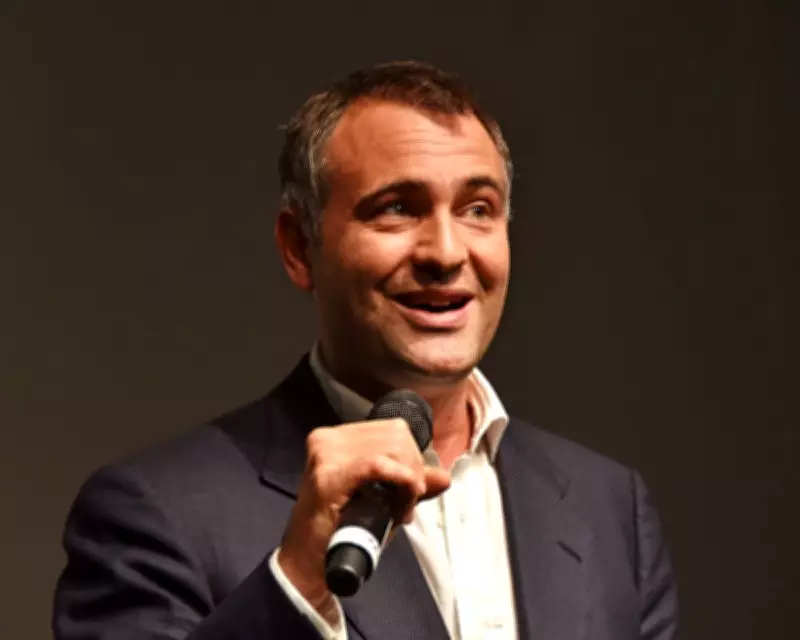
Reform UK has enlisted the expertise of veteran Conservative environmentalist Ben Goldsmith to formulate its policies on nature, as Nigel Farage's party seeks to broaden its appeal among environmentally conscious voters. Goldsmith, a prominent figure in the rewilding movement and close ally of former Prime Minister Boris Johnson, will collaborate with Farage and policy adviser James Orr on key issues including fishing regulations and green belt preservation.
Strategic Move to Attract Green Conservative Voters
Party insiders acknowledge that Reform UK has faced challenges in winning over Conservative voters who prioritise environmental concerns, particularly due to the party's opposition to net zero targets. This strategic appointment represents a deliberate effort to address this vulnerability and expand the party's electoral base. Recent polling data reveals that more than eighty percent of Reform supporters express deep concern about nature conservation, while Conservative voters display even stronger attachment to environmental issues.
Luke Tryl, UK director of More in Common, commented on this political dynamic: "The right is united in their priority on nature: across both climate-sceptic Reform voters and the pro-climate Conservative voters they may need to win over, majorities say they would be more likely to vote for a political party that prioritised nature protection." His research indicates that fifty-seven percent of Reform voters believe the government should prioritise nature, compared to sixty-six percent of Conservative voters.

Goldsmith's Role as Independent Adviser
While Goldsmith has agreed to provide policy guidance, he will not formally join Reform UK, maintaining his position as an impartial advocate for nature conservation. The financier and wildlife campaigner has been instrumental in rewilding initiatives, supporting the reintroduction of species like beavers to the UK and working to protect endangered wildlife globally. A Reform spokesperson clarified the arrangement: "We are constantly seeking input from people with relevant experience and expertise across different areas of public policy. That does not mean we are outsourcing policymaking to them."
Policy Focus Areas and Political Context
Reform's nature policy development occurs against a backdrop of political positioning on environmental issues. The party identifies specific areas where it believes the Labour government faces constraints, particularly regarding marine conservation. One source explained: "This is a massive opportunity for Reform. Labour can't ban bottom trawling, which David Attenborough has been campaigning for and which is an issue that hugely resonates with the public, because the Danish and Dutch fishermen would go mad."
The Department for Environment, Food and Rural Affairs has maintained its position against comprehensive bans on bottom-towed fishing gear in marine protected areas. Meanwhile, Reform figures including Richard Tice have criticised Labour's planning policies regarding green belt development and renewable energy infrastructure, despite evidence that solar farms can support greater biodiversity than intensively farmed land.
Broader Political Landscape and Future Implications
This development reflects Reform UK's ongoing efforts to establish credibility across policy domains while maintaining its core positions. The party has made significant electoral gains among traditional Conservative voters over the past eighteen months, positioning itself as a major political force. Farage's base at the exclusive Mayfair club 5 Hertford Street, owned by Robin Birley (half-brother to Ben and Zac Goldsmith), serves as a hub for engaging establishment Conservative figures, though both Goldsmith brothers have declined formal party affiliations.
As Reform UK continues to refine its policy platform, the inclusion of nature conservation represents both a strategic outreach effort and an acknowledgment of growing public concern about environmental issues. The party's ability to reconcile its sceptical stance on climate change with proactive nature policies will likely influence its appeal to moderate voters in the coming electoral cycle.