Reform UK Scotland Proposes Radical Tax Overhaul Ahead of Holyrood Elections
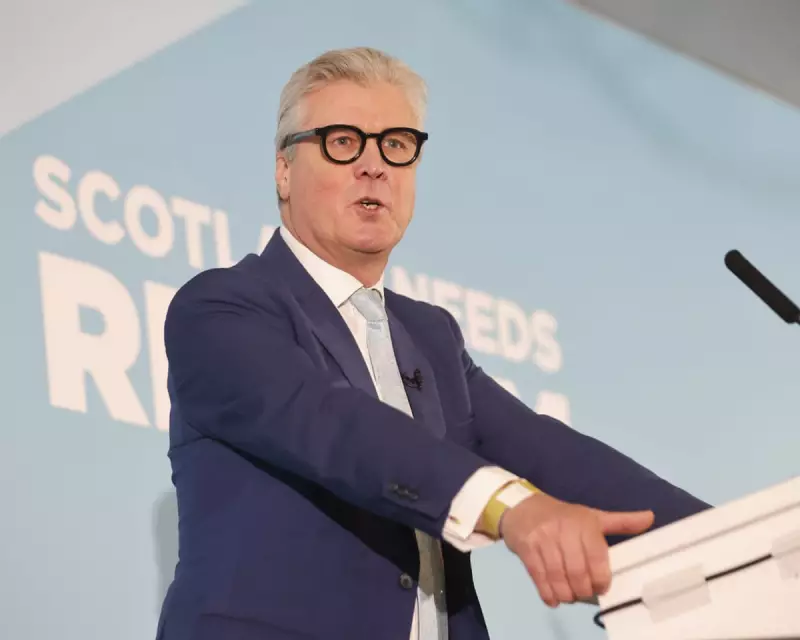
Reform UK has unveiled a controversial economic plan for Scotland, pledging a substantial £2 billion cut to income tax that would be financed by slashing what the party describes as "highly dubious" environmental protection spending. The proposal comes as the party positions itself for May's Holyrood elections, with Scottish leader Malcolm Offord making his first major policy announcement since taking the role ten days ago.
Tax Realignment and Funding Mechanism
The multimillionaire financier Malcolm Offord outlined plans to realign Scotland's tax system with the rest of the United Kingdom, where higher earners currently face significantly greater tax burdens. The proposal includes an immediate 1p-in-the-pound reduction across all income tax bands, with ambitions to cut a total of 3p from income taxes over the first five years of a potential Reform UK government.
Offord stated that the £2 billion immediate cost of this tax reduction would be entirely funded through what he termed "reallocation" of approximately £9 billion currently allocated to environmental protections, economic development initiatives, and 132 unaccountable quangos. The party estimates the tax realignment would cost £1.2 billion, with each additional 1p cut requiring £850 million in funding.

Political Positioning and Electoral Strategy
Despite recent polling suggesting Reform UK is running neck and neck with Scottish Labour for second place behind the Scottish National Party, Offord insisted the upcoming election represents a "two-horse race" between his party and the nationalists. He made a direct appeal to what he described as "moderate unionists no longer represented by the Tories" and "rational nationalists no longer represented by the SNP" to find common ground in supporting Reform UK.
The Scottish leader also addressed constitutional matters, stating his opposition to another independence referendum for at least a decade while not completely ruling one out in the future. However, recent Sunday Times polling indicates that the majority of both SNP and Labour voters would be willing to vote across their constitutional preferences specifically to defeat Reform UK candidates.
Criticism and Policy Scrutiny
Stephen Boyd, director of the influential think tank IPPR Scotland, delivered a scathing assessment of Reform UK's proposals, describing them as "profoundly unserious, almost comically so." Boyd expressed serious doubts about whether the party could realistically achieve the savings it claims, warning of "significant impact on public sector jobs and pay going forward" should such proposals be implemented.
When pressed for specific details about which environmental protections and quangos would face cuts, Offord acknowledged the party had not yet conducted a "line by line" analysis of public spending. He maintained that "there's been a huge amount of overlap, duplication and waste" in current expenditure that could be eliminated.
Immigration Policy and Social Priorities
In a notable departure from his economic announcements, Offord framed his approach to immigration policy through what he described as "the lens of the Christian faith." While referencing the parable of the Good Samaritan, he argued that during the current cost of living crisis, the country needs to "prioritise our own people over strangers."
The Scottish leader claimed that from Inverness to Falkirk, local communities are witnessing what he perceives as unfair prioritisation of services, opportunities, and safety being given to newcomers rather than established residents. This position represents a significant shift in political rhetoric around immigration in the Scottish context.
The announcement was made at a country club near Glasgow, where Offord delivered his first major speech since assuming leadership of Reform UK in Scotland. The party's proposals come alongside other policy announcements including a private health insurance plan estimated to cost £1.7 billion, creating what critics argue is an inconsistent fiscal approach.