A Russian superyacht linked to sanctioned billionaire Alexey Mordashov sailed from Dubai to Muscat this weekend, passing directly through the Strait of Hormuz, where tensions between Iran and the United States remain high. The vessel navigated waters laden with mines, a move that goes beyond mere bravado.
Russia's Quiet Role in the Conflict
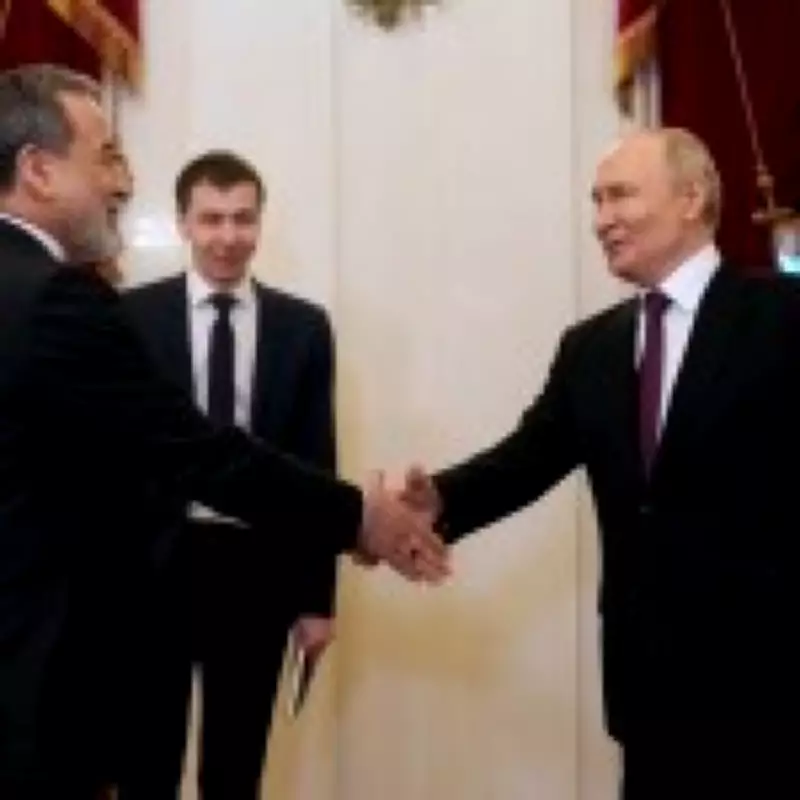
Russia has maintained a low profile in the Iran-US conflict, but recent events reveal its involvement. On Sunday, Russian President Vladimir Putin hosted an Iranian delegation in St. Petersburg, where Iranian Foreign Minister Abbas Araghchi praised their 'strategic relationship.' Araghchi posted on social media: 'Recent events have evidenced the depth and strength of our strategic partnership. As our relationship continues to grow, we are grateful for solidarity and welcome Russia's support for diplomacy.'
Though Russia has not directly participated in peace talks, it has significant stakes. The war has boosted demand for Russian oil and gas, providing a much-needed economic lift amid sanctions from its Ukraine conflict.

Military Support and Strategic Interests
Russia has reportedly supplied Iran with intelligence to target US warships and aircraft in the Middle East, according to the Washington Post. While the extent of this support remains unclear, Iran's own targeting capabilities have degraded since the conflict began.
Keir Giles, a Russia expert at Chatham House, explained: 'It makes sense for Russia to facilitate Iran's war effort as much as possible without directly inconveniencing Moscow. The coalition opposing the West shares interests in damaging the Western coalition and the rules-based international order, even if their strategic objectives differ.'
Russia's interest in peace talks is also notable. Giles noted: 'Russia has always sought to position itself as a broker to project global influence. They have much to gain by publicly inserting themselves as peacemakers rather than supporters of Iran's retaliation.'
However, a prolonged war may also benefit Russia. Giles added: 'The longer the war continues, the better for Russia: high oil prices, sanctions relief, distraction from Ukraine, and depletion of US and allied munitions. There is a strong interest for Russia in the war not ending conclusively.'
This incident underscores Russia's strategic balancing act, supporting Iran while avoiding direct confrontation, all while reaping economic and geopolitical rewards.