Plans by police leaders to scrap the recording of non-crime hate incidents (NCHIs) represent a dangerous gift to racists and online trolls, a prominent journalist has warned. The move, expected to be confirmed next month, has sparked fears that it will remove vital safeguards for minority communities and lead to a surge in abuse.
A Personal Onslaught of Abuse
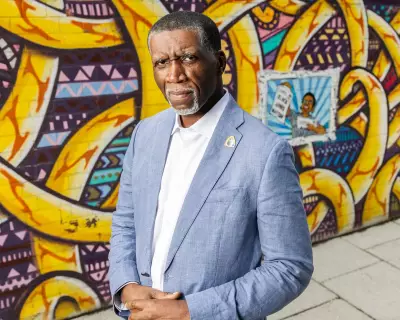
Sharan Dhaliwal, a queer woman of colour, shared her own experiences of relentless harassment in response to her work. In August 2025, after publishing an article debunking myths about migrants in hotels, she immediately received an email stating: ‘We know the area you live in, we will make sure you are deported.’
She describes being desensitised to such online vitriol, which has included being called racial slurs like the n-word and the p-word, finding her photos posted on pornographic sites with abusive comments, and receiving emails labelling her with the r-word and ‘scum’. This digital harassment has spilled into real-world intimidation, including being told to ‘go back home’ on the street and a disturbing incident on the Tube where a man thrust his crotch at her face after seeing her Pride pin.
The End of a Safeguard
The current system, established following the 1999 Macpherson Report into the murder of Stephen Lawrence, mandates that police record all alleged hate incidents, even if they do not meet the criminal threshold. This creates a vital dataset to monitor prejudice.
Now, police chiefs, with the purported backing of Home Secretary Shabana Mahmood, argue the practice is no longer fit for purpose, threatens free speech, and wastes resources. They propose replacing it with a ‘common sense’ approach where only serious events are logged, based on an individual officer’s judgement at the scene.
Dhaliwal argues this is perilous. “Not only will it, in my view, allow for more people to get away with horrific behaviour,” she writes, “but it will be determined on the police officer logging the crime at the time, rather than someone reviewing.” She highlights recent scandals, like the BBC Panorama investigation into police misconduct, as evidence that institutional bias makes relying on individual discretion risky.
Free Speech Versus the Incitement of Hate
The review follows controversial cases like that of anti-trans commentator Graham Linehan, who was arrested over comments on X before facing no further action for an NCHI. His case, cited by Donald Trump’s administration as a ‘departure from democracy’, has become a rallying cry for ‘free speech’ advocates online.
Dhaliwal draws a critical distinction, pointing to activist Lucy Connolly, who in 2024 urged followers to burn down asylum hotels during summer riots and was rightly convicted for inciting racial hatred. “Many on X are also claiming that ‘opinion shouldn’t be a crime’, without any acknowledgement that some opinions, expressed in a certain way, could cause a larger issue – more violence,” she states.
Without the NCHI framework to capture lower-level hostility that can escalate, she fears racist, sexist, homophobic, and transphobic abuse will become more commonplace. “It is already a huge issue, and I fear it will only worsen,” she warns.
The government, she concludes, is appeasing those who wish to harass people like her, while failing to protect the most disenfranchised. She calls for absolute clarity on what the new ‘common sense’ standard will entail, fearing that without it, Britain is diving headfirst into a more hateful society.