UK Prime Minister Keir Starmer Condemns Trump's 'Insulting' NATO and Afghanistan Remarks
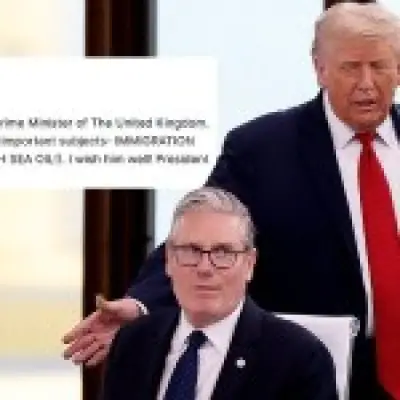
In a strongly worded rebuke delivered in London on Friday, UK Prime Minister Keir Starmer has publicly criticised former US President Donald Trump for his recent comments regarding NATO's role in Afghanistan. Starmer described Trump's assertions as 'insulting and frankly appalling', marking a significant moment in diplomatic discourse between the two nations.
Starmer's Firm Stance on International Alliances
The Labour leader, speaking at a key event in the capital, took direct aim at Trump's suggestion that NATO troops avoided frontline duties during the conflict in Afghanistan. This statement has sparked widespread debate, with Starmer emphasising the importance of maintaining robust international partnerships and respecting the sacrifices made by military personnel.
'Such remarks undermine the collective efforts and bravery of allied forces,' Starmer asserted, highlighting the potential damage to transatlantic relations. His comments come at a time when global security dynamics are increasingly complex, reinforcing the UK's commitment to NATO's principles of mutual defence and cooperation.

Context and Implications of the Dispute
The controversy stems from Trump's ongoing critique of NATO, which has long been a cornerstone of Western security. By questioning the alliance's involvement in Afghanistan, the former president has reignited discussions about:
- The historical role of NATO in conflict zones
- The future of US-UK diplomatic ties
- The broader impact on international military collaborations
Starmer's response underscores a broader political strategy to reaffirm the UK's position on the world stage, particularly in light of post-Brexit foreign policy challenges. His condemnation reflects a growing concern among Western leaders about maintaining unity in the face of external pressures.
Reactions and Ongoing Political Discourse
This incident has quickly become a focal point in UK politics, with analysts noting its potential to influence upcoming diplomatic engagements. Starmer's vocal stance may resonate with voters who prioritise strong international alliances, while also drawing attention to the enduring legacy of the Afghanistan conflict.
As the situation develops, observers are watching closely to see how this exchange shapes the narrative around NATO's effectiveness and the UK's role within it. The prime minister's remarks serve as a reminder of the delicate balance required in global diplomacy, where words can have far-reaching consequences.