Starmer's Delicate Diplomatic Mission to China
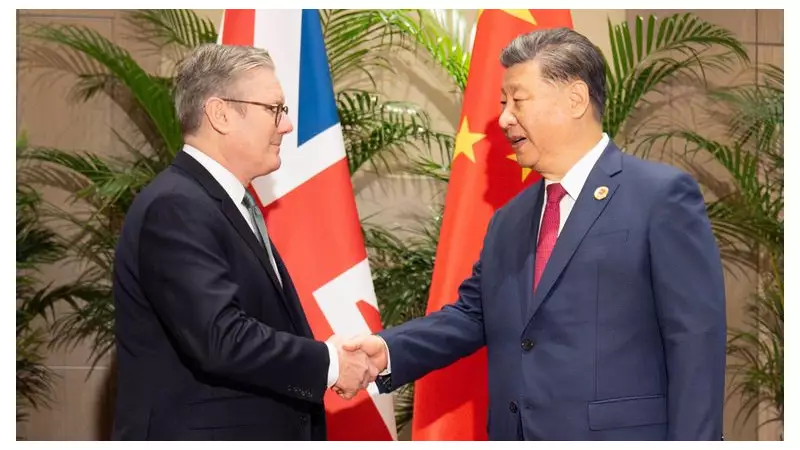
Prime Minister Sir Keir Starmer embarks on a crucial five-day visit to China this week, marking the first trip by a UK leader since Theresa May's 2018 journey. The high-stakes mission aims to forge deeper trade ties with the world's second-largest economy, but it requires navigating a geopolitical tightrope between Beijing's investment opportunities and Washington's sensitivities.
The Economic Imperative Behind the Visit
Starmer's delegation includes sixty business and cultural leaders, reflecting the government's determination to stimulate economic growth through enhanced Chinese trade. China currently ranks as Britain's third-largest trading partner, supporting approximately 370,000 UK jobs. The prime minister has declared that developing a "strategic and consistent relationship" with Beijing serves national interests, particularly in addressing the cost-of-living crisis that remains his administration's top priority.
This economic reset comes after what Starmer describes as Britain's problematic pattern of "veering from a Golden Age to an Ice Age" in China relations. The reference harks back to David Cameron's 2015 proclamation of a "golden era" during President Xi Jinping's state visit, a period followed by significant cooling over security concerns and human rights issues.

Navigating the Trump Factor
The timing presents particular challenges given recent tensions with the United States. Just days before Starmer's departure, President Donald Trump threatened 100% tariffs against Canada should Prime Minister Mark Carney pursue trade agreements with China. This warning underscores the delicate balancing act facing the British leader, who must pursue Chinese investment without provoking retaliatory measures from Washington.
Complicating matters further, Trump's recent derogatory comments about British servicemen killed in Afghanistan have strained transatlantic relations, potentially making China's economic overtures more appealing by comparison. The US president's ambivalence toward NATO, aggression toward Greenland, and tariff threats have transformed America from Britain's cornerstone ally into what some perceive as an increasingly unreliable partner.
Domestic Criticism and Security Concerns
At home, Starmer faces mounting political resistance to closer Chinese ties. The recent controversial approval of a Chinese "mega-embassy" in London after years of delay has highlighted widespread unease about Beijing's expanding UK footprint. Washington believes the facility could enable widespread espionage, a concern shared by numerous MPs across party lines.
Security issues extend beyond the embassy controversy to include Chinese espionage concerns, Beijing's alliance with Russia, human rights abuses against Uyghur populations, and the democratic crackdown in Hong Kong. These factors have hardened political consensus against China, forcing Starmer to simultaneously pursue economic opportunities while managing critical national security matters.
The Broader Geopolitical Context
Starmer's visit occurs as middle powers like Britain increasingly navigate between competing global giants. European leaders including France's Emmanuel Macron and Germany's Friedrich Merz have recently visited Beijing, reflecting the continent's own recalibration of China relations. The prime minister insists Britain need not choose between its American alliance and Chinese trade opportunities, telling Bloomberg: "I'm often invited to simply choose between countries. I don't do that."
For China's part, officials seek better access to UK markets through investments and exports while attempting to depoliticize a relationship dominated in recent years by security questions. In a sign of warming relations, London and Beijing will reportedly cooperate on illegal migration and financial matters during the visit.
Domestic Political Vulnerabilities
The China trip arrives during a particularly fragile period for Starmer's government. January began with the Greenland crisis and Trump rift, followed by Labour leadership psychodrama involving Andy Burnham and an unwanted by-election. Many within Starmer's party remain mutinous over his decision to block Burnham from standing in the Gorton and Denton by-election.

Government efforts to highlight domestic achievements—including freezing prescription charges, capping ground rents, and an £80 million pub support package—struggle to compete with the drama of international diplomacy. The prime minister's "never here Keir" nickname reflects criticism that he prioritizes globe-trotting over domestic concerns, though he privately insists international trips ultimately deliver for the public through trade deals and migration cooperation.
Despite these challenges, Starmer calculates that increased trade with China's massive economy could provide much-needed economic stimulus and political capital back home. Government insiders report improving polling among those benefiting from cost-of-living initiatives like breakfast clubs, free childcare, and lifting the two-child benefit cap. For a prime minister acutely aware of his domestic fragility, this high-risk China mission represents both political peril and potential economic salvation.