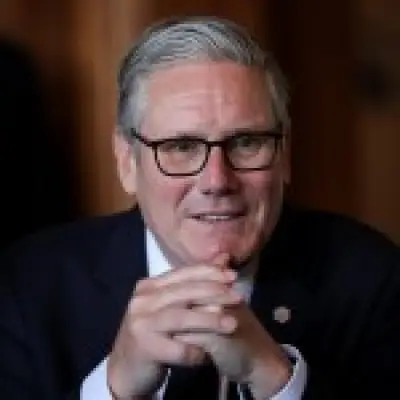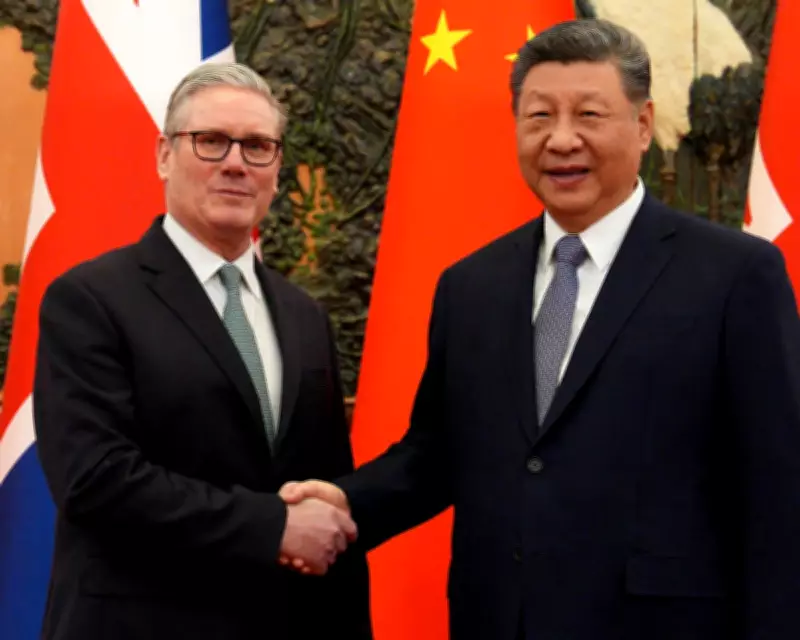
In a carefully orchestrated diplomatic encounter in Beijing, British Prime Minister Keir Starmer finally secured his coveted meeting with Chinese President Xi Jinping. The bilateral summit, the first by a UK premier since Theresa May's 2018 visit, unfolded against a backdrop of starkly different priorities and expectations between the two nations.
A Meeting Driven by Divergent Agendas
For Starmer, the four-day trip represented a significant foreign policy milestone, an opportunity to demonstrate statesmanship on the global stage and temporarily escape domestic political pressures. The pomp, ceremony, and respect afforded to a visiting head of government provided a welcome contrast to the noise of Westminster. Observers noted that with recent visits by figures like Mark Carney and Emmanuel Macron, Starmer was keen not to be left out of this diplomatic circuit.
China's perspective appeared markedly different. Sources suggest Beijing initially questioned the substantive value of the visit but agreed to schedule meetings contingent upon UK approval for a new "mega embassy" complex near the Tower of London. Starmer readily acquiesced, clearing the path for what would become a carefully managed diplomatic exchange.

The Carefully Controlled Encounter
The leaders' meeting was officially scheduled for just forty minutes—a surprisingly brief engagement given the extensive travel and large trade delegation accompanying the Prime Minister. This truncated timeline prompted speculation about whether both parties genuinely had little to discuss publicly or whether it represented a tactical approach to managing expectations.
Notably absent was a traditional joint press conference where leaders field questions from journalists. Instead, Xi Jinping—who famously avoids hostile media interrogation—insisted on a jointly issued statement filled with what observers described as "mostly bland platitudes." Starmer reportedly agreed to this arrangement, seemingly prioritising the avoidance of potential diplomatic incidents over media accessibility.
Diplomatic Outcomes and Unspoken Understandings
In post-summit statements, Starmer framed the relationship with China as needing to be "sophisticated"—a term that drew immediate scrutiny given its potential connotations in diplomatic circles. The Prime Minister appeared to suggest that maintaining any relationship, however complicated, was preferable to complete disengagement, even if that meant overlooking certain geopolitical realities.
Xi Jinping used the platform to acknowledge the Labour Party's "wisdom" in seeking improved relations while taking a veiled swipe at Conservative figures like Kemi Badenoch, whom he suggested had inflamed hostilities. The Chinese leader spoke of new opportunities using the metaphorical language of "letting a hundred flowers bloom," though concrete details about these opportunities remained notably vague.
Tangible Outcomes and Unaddressed Issues
The visit yielded several specific agreements. British citizens will now enjoy visa-free access to China for thirty days, matching arrangements already in place for German and French nationals. Starmer hailed this as a "huge win" for UK travellers.
More quietly, China agreed to cease direct supply of outboard motors to people smuggling networks—though questions remain about potential secondary market transactions. The Prime Minister also reportedly raised the cases of sanctioned British MPs and Hong Kong dissident Jimmy Lai, though these discussions occurred in such muted tones that Chinese officials merely noted they had been mentioned without committing to any policy changes.
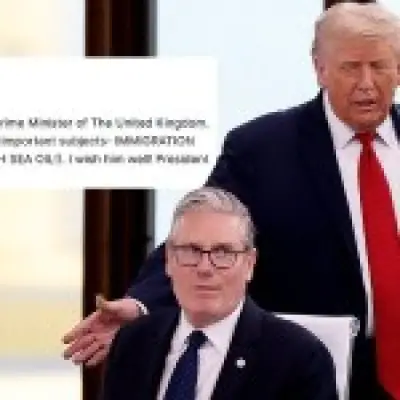
Perhaps most significantly, Starmer appeared to extend an invitation for a reciprocal state visit to the UK—a move that echoed his previous premature offer to Donald Trump and suggested a continued struggle with diplomatic restraint.
The Underlying Power Dynamics
Throughout the encounter, the unequal nature of the relationship remained palpable. China secured approval for its London embassy expansion while offering largely symbolic concessions in return. The trade delegation accompanying Starmer reportedly found more enthusiasm for selling Chinese goods to Britain than for British exports to China.

Xi Jinping concluded the diplomatic exchange by quoting a Chinese proverb: "Range far your eye over long distances." The remark served as a subtle reminder of China's strategic patience and long-term perspective—a contrast to the more immediate political pressures facing the British Prime Minister.
As Starmer returns to Westminster, the visit leaves lingering questions about what constitutes a "sophisticated" relationship with a geopolitical competitor and whether diplomatic engagement without substantive policy shifts represents meaningful foreign policy progress.