Supreme Court Scrutinises Trump's Federal Reserve Assault
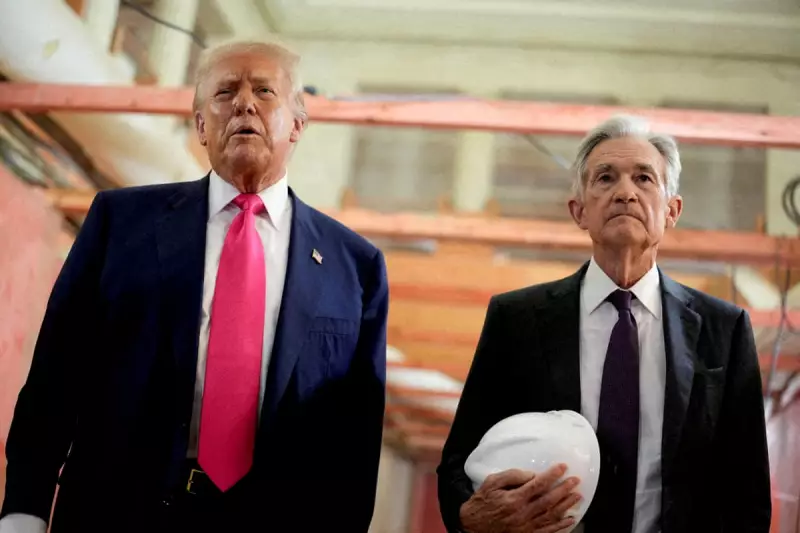
In an unprecedented move, former President Donald Trump has launched a sustained attack on the US Federal Reserve, employing tactics of bullying and threats to pressure the central bank into lowering interest rates. This assault includes publicly criticising Fed Chair Jerome Powell as "stupid" and initiating a criminal investigation against him. Despite these efforts, the Federal Reserve has maintained its stance, highlighting a rare instance of resistance within the federal government.
Legal Battle Over Fed Governor's Dismissal
The focal point of this conflict is Trump's firing of Federal Reserve governor Lisa Cook in August, based on allegations of mortgage fraud that emerged on social media. Cook's dismissal, executed without a formal investigation or hearing, has raised significant legal questions regarding due process and the grounds for removal of Fed officials. The case has reached the Supreme Court after a lower court temporarily reinstated Cook, with oral arguments revealing justices' skepticism towards Trump's actions.
Supreme Court's Dual Approach to Executive Power
While the Supreme Court has generally supported Trump's executive authority, allowing firings at agencies like the National Labor Relations Board and the Federal Trade Commission, it appears to be making an exception for the Federal Reserve. Legal experts note that the court's conservative majority, which typically advocates for the "unitary executive" theory to expand presidential power, is showing reluctance to undermine the Fed's independence. This distinction suggests a recognition of the central bank's unique economic role.

Economic Implications of Fed Independence
The Federal Reserve's ability to set interest rates independently is crucial for economic stability, balancing inflation control with employment concerns. During arguments, justices like Amy Coney Barrett and Brett Kavanaugh emphasised the potential real-world consequences, such as triggering a recession if the Fed's autonomy is compromised. Their questions reflect a broader concern among economists and business interests about politicising the central bank, which could lead to market volatility and long-term harm.
Broader Context of Trump's Executive Actions
Trump's assault on the Fed is part of a larger pattern of challenging independent agencies to centralise power. However, the Supreme Court's leniency in other areas, such as immigration enforcement, contrasts with its cautious approach here. As legal scholar Michael Dorf points out, a ruling against Trump in this case might not signify a comprehensive check on his authority but rather a selective defence of institutions deemed economically vital.
Future Outlook and Decision Timeline
The Supreme Court is expected to issue a ruling on Lisa Cook's case by June, which could set a precedent for presidential influence over the Federal Reserve. This decision will be closely watched for its impact on central bank independence and the balance of power in the US government, amid ongoing debates about executive overreach and institutional safeguards.