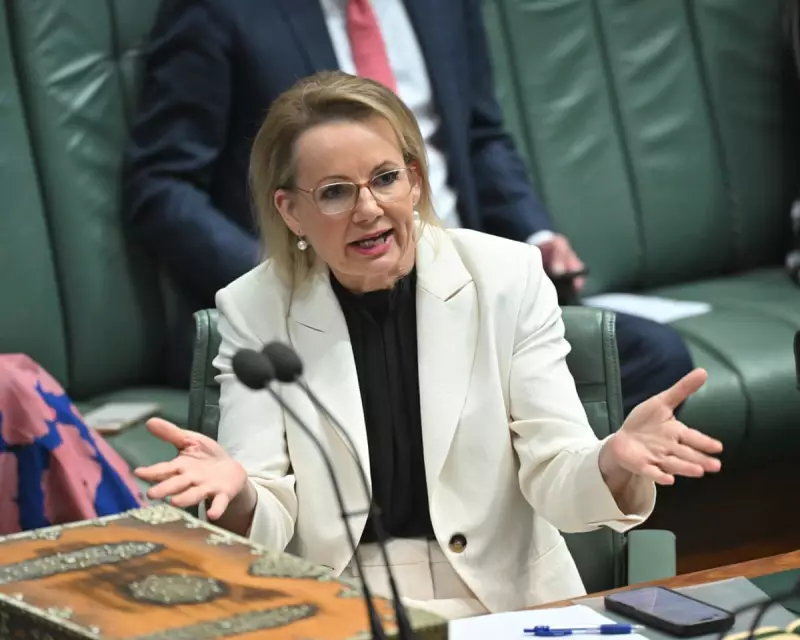
Sussan Ley's Leadership Future in Doubt Amid Coalition Rifts
In a significant development within Australian politics, the leadership prospects of Sussan Ley, a prominent figure in the Coalition, appear to be facing severe challenges. According to recent reports from The Guardian, internal divisions and strategic disagreements are casting a shadow over her potential to ascend to a higher leadership role. This situation highlights the ongoing tensions within the Coalition, which could have far-reaching implications for the party's unity and electoral strategy.
Internal Divisions and Political Challenges
The Coalition, comprising the Liberal and National parties, is reportedly experiencing deep-seated rifts that are directly impacting Sussan Ley's standing. Sources indicate that disagreements over policy directions, particularly on issues such as climate change and economic management, are contributing to a fragmented party environment. Ley, who has served in various ministerial positions, is seen as a key player in these debates, but her alignment with certain factions may be limiting her broader appeal within the Coalition.
Moreover, the political landscape in Australia is becoming increasingly competitive, with the Coalition facing pressure from opposition parties and public scrutiny. Ley's leadership aspirations are being scrutinised not only by her colleagues but also by the media and voters, who are closely watching how the party navigates these internal conflicts. The Guardian's report suggests that without a clear resolution to these divisions, Ley's path to leadership could be effectively blocked, raising questions about the Coalition's ability to present a united front in future elections.

Implications for the Coalition's Future
If Sussan Ley's leadership prospects continue to dwindle, it could signal a broader crisis within the Coalition. The party may need to address these internal splits to maintain its credibility and effectiveness in governance. Experts warn that prolonged infighting could weaken the Coalition's position, potentially leading to electoral losses and a loss of public trust. This scenario underscores the importance of strong leadership and cohesive party structures in Australian politics.
In response to these developments, some Coalition members are calling for a renewed focus on unity and collaboration. However, achieving consensus may prove difficult given the diverse viewpoints within the party. As the situation evolves, stakeholders will be monitoring how Ley and other leaders adapt to these challenges, with potential reshuffles or policy shifts on the horizon.
Conclusion
Overall, the uncertainty surrounding Sussan Ley's leadership future reflects deeper issues within the Coalition. While she remains a significant figure, the current political climate and internal divisions are posing substantial obstacles. The outcome of this situation will likely influence the Coalition's trajectory in the coming years, making it a critical point of interest for political observers and the public alike.