Trump Expected to Nominate Kevin Warsh as Federal Reserve Chair
Donald Trump is poised to nominate former Federal Reserve governor Kevin Warsh as the next chair of the US central bank, in a move that represents an extraordinary attempt to tighten presidential control over monetary policy and challenge the institution's longstanding independence. The president told reporters on Thursday that he planned to announce his choice on Friday morning, hinting at a candidate who "could have been there a few years ago," which fuelled speculation pointing directly at Warsh.
Speculation and Market Reaction
Reports from the Financial Times, citing three sources familiar with the matter, indicate that Trump is preparing to nominate Warsh. This speculation triggered a surge in betting on the Polymarket predictions site, where Warsh's chances of nomination soared to 94% on Friday. Following the news, the dollar strengthened, with the US dollar index rising by 0.4%, reflecting market anticipation of the potential shift in Fed leadership.
Warsh's Background and Policy Stance
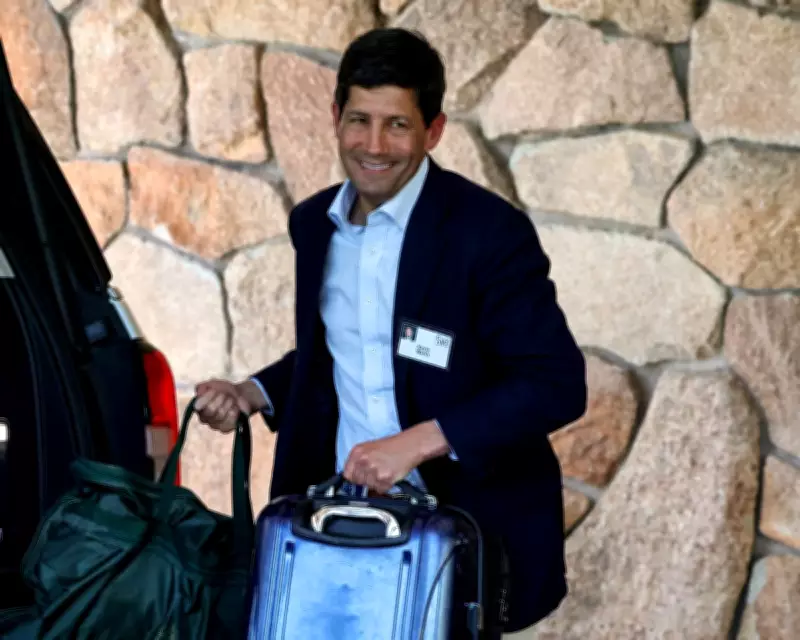
Kevin Warsh, a New Yorker who served as special assistant for economic policy from 2002 to 2006, was a Fed governor between 2006 and 2011, a period that included the response to the global financial crisis. He acted as the Fed's representative to the G20 group of countries during his tenure. Currently, Warsh is a lecturer at the Stanford Graduate School of Business and holds roles at companies such as UPS, Coupang, and the Duquesne Family Office.

Historically viewed as a monetary policy hawk, Warsh has been a critic of the ultra-loose monetary policies pursued by the Fed post-crisis, including its expanded balance sheet. However, he appears to have aligned himself with the White House's push for lower interest rates, with Trump noting in December that "He thinks you have to lower interest rates." This alignment places Warsh among a shortlist of candidates who share Trump's belief that rates should be significantly lower than current levels.
Context of Fed Independence and Political Pressure
The expected nomination comes at a fraught time for the Federal Reserve, which has been defiant under current chair Jerome Powell. Appointed by Trump in 2018, Powell later infuriated the president by resisting calls for lower interest rates, leading to Trump's attacks on the central bank's independence. Economists emphasise that an independent Fed is crucial for economic stability, allowing it to focus on long-term goals rather than short-term political factors.
Trump's efforts to influence the Fed have included considering firing Powell and launching a criminal investigation into him over renovations at the Fed's headquarters, which Trump claims amount to fraud. Powell has denied wrongdoing, arguing the investigation stems from the Fed's commitment to setting rates based on public interest, not presidential preferences. These actions have eroded trust among business leaders and some Republican lawmakers in Trump's ability to protect Fed independence.
Implications and Senate Challenges
If confirmed by the Senate, Warsh would replace Powell, whose term as chair ends in May, though Powell's tenure on the Fed board continues until 2028. Stephen Brown, deputy chief North America economist at Capital Economics, described Warsh as "a relatively safe choice" for investors, noting that his hawkish views might counteract concerns of him becoming a "Trump stooge." However, Brown warned that Warsh's convictions on AI, regulatory impacts, and a smaller Fed balance sheet could pose risks of upward pressure on long-term bond yields.
Trump may face challenges in securing Senate support for Warsh's nomination due to distrust over his attacks on Fed independence. Thom Tillis, a member of the Senate banking committee, has stated he would block Trump's Fed nominations because of the investigation into Powell, highlighting potential political hurdles.

Broader Economic and Political Ramifications
Lower interest rates, as advocated by Trump and Warsh, can spur investment and economic activity but risk inflation. Fed officials like Powell have taken a cautious approach, which Trump argues has cost the US economy. The Fed's defiance has forced Trump to confront the limits of executive power, even as Wall Street and legal protections, such as potential Supreme Court backing, safeguard the central bank's role. Last year, rumours of Trump attempting to fire Powell led to significant stock market drops, underscoring the importance of Fed independence to financial stability.
This nomination marks a pivotal moment in the ongoing tension between presidential influence and central bank autonomy, with far-reaching implications for the US and global economies.