Trump's AI Messiah Image Sparks Debate on Convincing the World
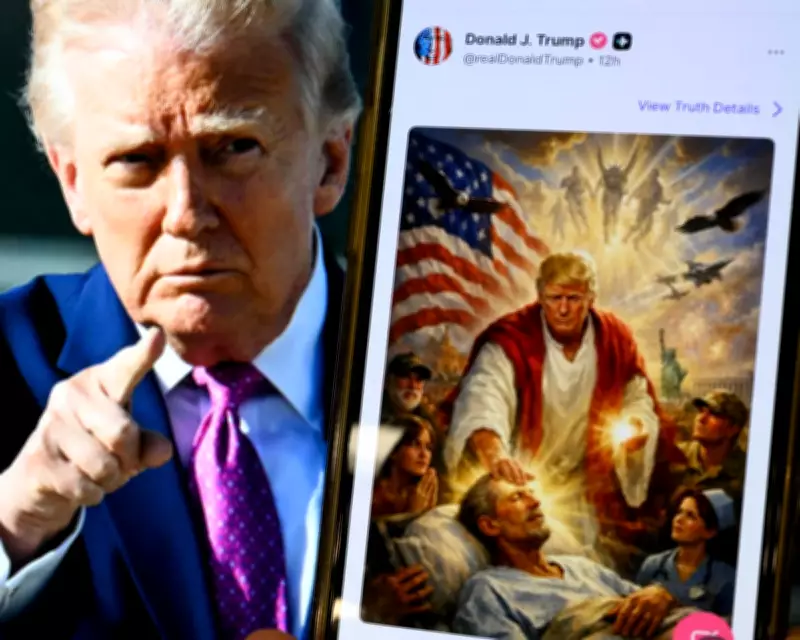
The furious reaction to Donald Trump's posting of an AI-generated image of himself as a Christ-like healer resulted in a rare walkback from the former US president. Trump deleted the controversial post from his social media account and insisted it was "supposed to be me as a doctor." This incident has ignited a broader discussion about the nature of belief and persuasion in the modern age.
The Controversial Post and Its Aftermath
Trump's use of artificial intelligence to create an image depicting him in a messianic light drew immediate criticism and mockery from various quarters. The image, which portrayed him in a manner reminiscent of religious iconography, was seen by many as an attempt to elevate his status to that of a savior figure. In response to the backlash, Trump quickly removed the post, clarifying his intent was to represent himself as a medical professional rather than a divine entity. This episode highlights the power of visual media in shaping public perception and the fine line between self-promotion and perceived blasphemy.
The Philosophical Question: Convincing Humanity of Divinity
This controversy raises a profound philosophical question: if you were truly the savior of humanity, how would you go about convincing people of this? Even historical figures like Jesus Christ faced significant challenges in gaining followers, with skepticism and doubt being central themes in religious narratives. In today's digital era, the task is further complicated by the prevalence of misinformation and the rapid spread of content through social media platforms. The debate touches on themes of faith, evidence, and the human tendency to seek charismatic leaders in times of uncertainty.

Broader Implications for Society and Politics
The incident underscores the intersection of technology, religion, and politics in contemporary discourse. AI-generated content blurs the lines between reality and fabrication, making it easier for public figures to craft narratives that resonate with specific audiences. This raises ethical concerns about the manipulation of belief systems for political gain. Moreover, it reflects ongoing tensions in societies where traditional religious values clash with modern technological advancements. The discussion extends beyond Trump to broader questions about how leaders use symbolism and media to influence public opinion.
As readers and observers continue to ponder these issues, the conversation invites reflection on what it means to be a messiah in the 21st century and the methods required to persuade a skeptical world.