

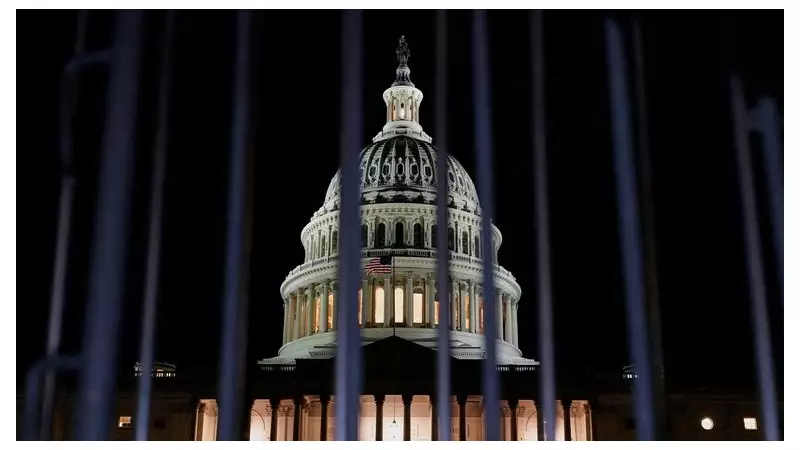
Breakthrough in Washington as Senators Reach Funding Agreement
In a significant development that could signal the end of America's longest-ever government shutdown, the US Senate has struck a deal to advance legislation that would restore federal funding until the end of January.
The procedural vote held on Sunday night saw senators move forward with a House-approved bill that will be amended to fund government operations through 30 January. This represents the first substantial progress toward resolving the political impasse that has paralysed Washington since 1 October.
Millions Affected by Historic Shutdown
The shutdown, which marks the first in nearly seven years, has disrupted millions of American lives after politicians failed to pass new funding bills. The deadlock stemmed from a bitter stand-off between Democrats and Republicans over healthcare spending priorities.

Since the shutdown took effect, all non-essential government functions have been frozen, affecting everything from social security services to national park access and air travel operations. Federal workers have been particularly hard hit, with many facing financial uncertainty during the extended closure.
President Donald Trump expressed optimism about the developments, telling reporters at the White House prior to the vote: "It looks like we're getting very close to the shutdown ending."
Political Compromise and Next Steps
The agreement required unusual political manoeuvring, with a handful of Democrats breaking ranks with their party leadership to join Republicans in striking the deal. The compromise included plans for a December vote on extending subsidies under the Affordable Care Act, addressing one of the key sticking points in the negotiations.
The bill contains crucial protections for federal employees, prohibiting agencies from firing workers until 30 January. This provision represents a significant victory for federal worker unions and their supporters.
The Senate vote to advance the bill passed by a 60-40 margin, the exact threshold needed to overcome a Senate filibuster. This procedural tool allows the minority party to delay or block legislation they oppose, making the narrow victory particularly meaningful.
If the Senate passes the amended measure, it must still return to the House of Representatives for approval before being sent to President Trump for final sign-off. The timing remains critical as the shutdown continues to affect government operations and public services.
The breakthrough comes amid concerns about the government workforce, with at least 300,000 employees expected to leave government service by year's end due to President Trump's downsizing initiative.






