In a significant escalation of the transatlantic culture war over internet regulation, allies of former US President Donald Trump have imposed visa bans on key European architects of online safety laws. The move, announced on Christmas Eve, targets individuals advocating for stricter controls on harmful digital content, signalling a direct challenge to the European Union's Digital Services Act (DSA) and the UK's Online Safety Act (OSA).
The Targets and the Legislation
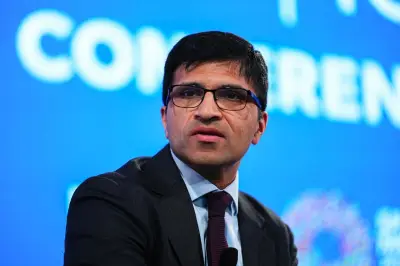
Among those reportedly affected is Thierry Breton, the former European industry commissioner who was instrumental in bringing the EU's DSA into force. The legislation, alongside the UK's OSA, mandates that social media platforms take greater responsibility for protecting users from harmful content, with the threat of substantial fines for non-compliance. This month, Elon Musk's platform X was fined €120 million (£105 million) for breaches of the DSA, underscoring the EU's determination to enforce the new rules.
While the UK's communications regulator, Ofcom, which oversees the OSA, has not been directly sanctioned, the atmosphere is charged with implicit threat. The state department has declared it will block entry to the US for "foreign nationals who censor Americans," a policy that has prompted Ofcom to seek clarity on the planned restrictions.

Silicon Valley's Counter-Offensive
The visa bans represent the latest salvo in a broader conflict between US tech libertarianism and European-style digital regulation. Many Republican politicians, aligned with Trump's 'Maga' movement, view these laws as a dual threat: to the economic interests of Silicon Valley and to their interpretation of absolute free speech. JD Vance, the US Vice-President, has claimed free speech in the UK is "in retreat" due to the OSA.
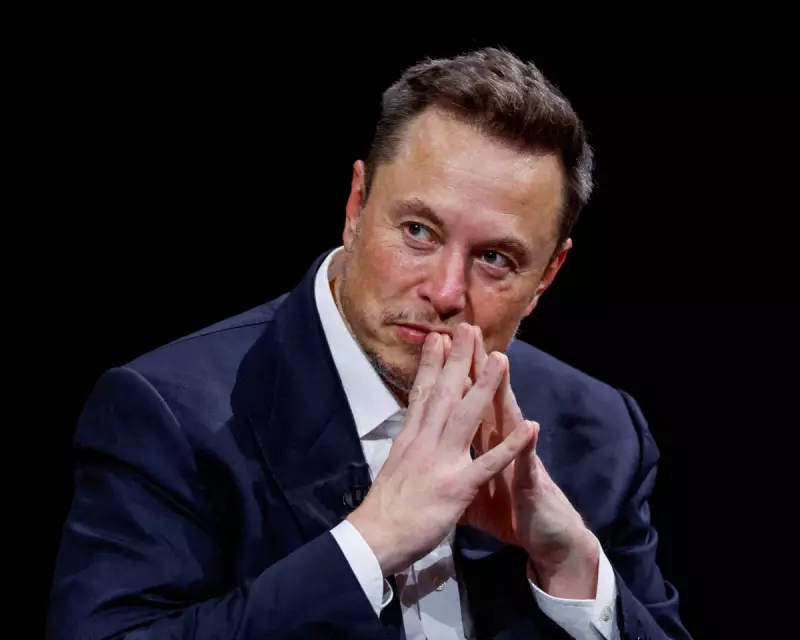
The campaign extends beyond regulators to non-profit watchdogs. The Center for Countering Digital Hate (CCDH), a UK-based organisation campaigning against online hate speech, has been a particular target. In 2023, Elon Musk's X filed a lawsuit against the CCDH, alleging it improperly accessed data. However, a judge threw the case out last year, ruling it was fundamentally "about punishing the defendants for their speech." Musk, who describes himself as a free speech absolutist, has publicly denounced the group.
Legal Battles and Firm Resolve
Opposition to the new regulatory regime is mobilising on multiple fronts. Emboldened by political support from the US, the online forum 4chan is now suing Ofcom in American courts. The platform, which was fined £20,000 by Ofcom in October for failing to provide a risk assessment, claims the UK regulator's enforcement of the OSA violates Americans' First Amendment rights.
Despite this mounting pressure, authorities in Europe show no sign of backing down. The UK government has reiterated its commitment to the Online Safety Act, and the substantial fine levied against X demonstrates the EU's intent to wield the DSA effectively. With a robust ecosystem of non-profits on both sides of the Atlantic continuing to campaign, these visa bans are likely just the opening shots in a protracted conflict over the future of speech and safety online during the Trump administration.