The Senedd has successfully passed the Welsh budget for the 2026-2027 fiscal year, following a crucial agreement between the Labour administration and Plaid Cymru. This political arrangement has unlocked a substantial £27.5 billion in public spending, marking a significant increase of £1.2 billion compared to the previous year's allocations.
Budget Details and Funding Increases
With the May Senedd elections looming just 100 days away, this budget represents a critical moment for Welsh politics. The deal ensures that all government departments and local authorities will receive real-terms funding increases, avoiding the potential for severe cuts that could have resulted from a political impasse.
The health and social care sector stands to benefit significantly from this agreement, with an additional £180 million allocated – representing a 3.6% increase in funding. Local government will receive £113 million in extra support, guaranteeing all councils a minimum 4% cash increase to their budgets.

Additional Spending Priorities
Beyond the core departmental increases, the budget includes targeted funding for several key areas of public service delivery:
- Enhanced support for bus services across Wales
- Increased investment in apprenticeship programmes
- Additional funding for further education institutions
- Resources dedicated to flood prevention measures
Political Context and Reactions
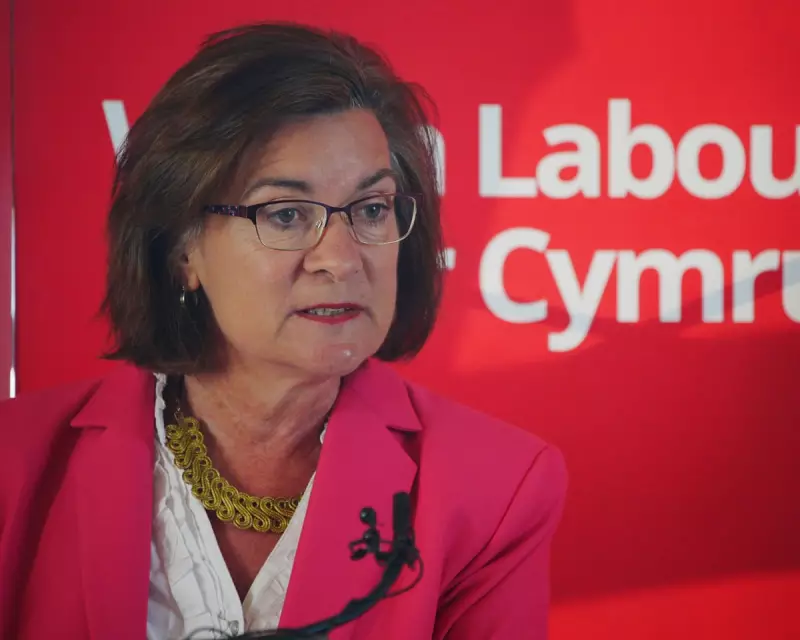
First Minister Eluned Morgan emphasised that the budget reflects Labour's core values of fairness, stability, and delivery. "We said we would put more money into public services and that's what we've done," Morgan stated following the vote's passage. "We're putting more money into our NHS as we know that's what matters to people."
The political landscape necessitated this cross-party arrangement after Labour lost its ability to pass budgets independently following October's Caerphilly byelection, where Plaid Cymru gained a seat in what was traditionally a Labour stronghold.
Opposition Criticism and Analysis
Despite the budget's passage, opposition parties have voiced strong criticism of the arrangement. Welsh Conservative shadow cabinet secretary for finance Sam Rowlands described the Labour-Plaid deal as a "stitch-up" and a "bad deal for Wales."
The Welsh Liberal Democrats expressed concern about constitutional distractions, stating: "It is deeply worrying that, even with public services under this level of strain, Plaid Cymru are planning yet another independence study. People want their NHS fixed, not more time and money spent on constitutional distractions."
Political observers have noted the budget's politically neutral character, with £120 million in capital funding set aside for the incoming government to allocate toward major infrastructure projects after the May elections.
Future Challenges and Electoral Implications
Professor Laura McAllister of Cardiff University's Wales Governance Centre welcomed the overall budget increase but cautioned that it fails to address underlying structural issues. She noted that devolution funding formulas and spending allocations may not adequately respond to changing public needs.
"Whichever party comes in May will face serious problems," McAllister observed. "Plaid is going for a change agenda, but it will be difficult for them to fight an election on public service delivery and then actually follow through."
Both Labour and Plaid Cymru hope to gain electoral advantage from their roles in facilitating the budget's passage, though Morgan was quick to clarify the nature of Plaid's involvement: "Plaid will tell you they're the ones who made this happen. But Plaid didn't even back it, they abstained. Only Welsh Labour can take responsibility for delivering this budget and for delivering for Wales."
As Wales approaches its Senedd elections, this budget agreement represents both a temporary political solution and a preview of the challenges that will face whichever party or coalition forms the next Welsh government.