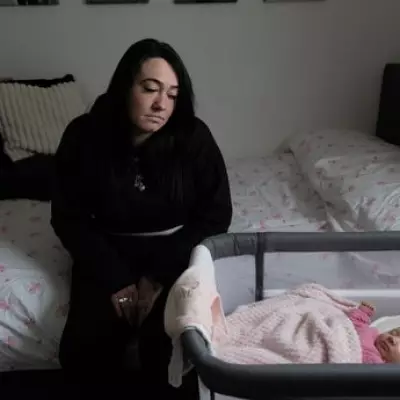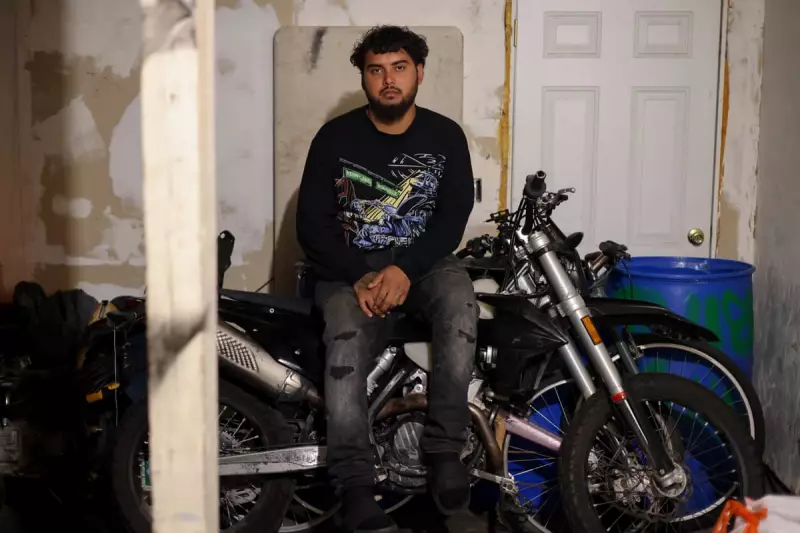
In the Californian city of Vallejo, a striking new trend is defining the lives of young men. One in three young adults resides in their parents' home, the highest rate of any metropolitan area in the United States. This phenomenon, where men in their twenties and early thirties remain in the family nest, is reshaping traditional ideas of adulthood, romance, and independence.
The Rise of the 'Trad Son'
The term 'trad son' has recently entered the social media lexicon, capturing a significant demographic shift. Nationally, the number of Americans aged 25 to 34 living with parents has more than doubled since the 1970s, rising from 8% to 18% by 2023, with men consistently more likely to stay at home than women. However, Vallejo stands apart, with a remarkable 33% of its young adult population in this living arrangement.
For 25-year-old union worker Daniel, who lives in his parents' suburban Vallejo house, the local reality is stark. "I don't know one couple that has bought a house and started a family out here," he says, reflecting on the faded American dream of homeownership and family formation in his generation.

Cultural Traditions and Economic Pressures
Vallejo's unique demographic makeup plays a key role. The city is evenly split between Latino/Hispanic, Asian, white, and Black communities. Nationally, young adults from Asian, Hispanic, and Black backgrounds are more likely to live with parents than their white peers, often due to strong cultural traditions of intergenerational support.
Jorge, a 30-year-old personal trainer of Mexican heritage, sees his situation as a cultural blessing, not a setback. "My definition of my home is my family," he explains. After a brief period living apart, fears for his family's safety in a neighbourhood experiencing shootings drove him back. His desire to protect his parents has only intensified in the current political climate.
Yet, economic reality is an inescapable factor. Edward, a 28-year-old government employee from a Filipino family, earns less than $3,000 a month. With a gruelling three-hour daily commute to San Francisco and Bay Area rents being prohibitively high, moving out feels impossible. "I don't even have time for myself sometimes," he admits, leaving little room for a social or romantic life.
Dating, Danger, and Delayed Dreams
The impact on dating is profound. Of ten men interviewed in Vallejo, aged 19 to 31, nine were single. Many prioritise financial stability and career goals over romance, aware that potential partners often seek a "provider." Dating apps can carry a stigma, and some, like Daniel, speak of a climate of fear where meeting new people involves risk, citing instances of friends being robbed by dates.
Violence, both street and police-related, casts a long shadow. Daniel's ambition to become an electrician and move in with his girlfriend was derailed two and a half years ago by the traumatic loss of a relative and friend in a double homicide. A recent incident where police confiscated his licence, which he says was a case of mistaken identity, has further trapped him. "I can't do anything," he laments. "They're gonna win either way."
Experts like Professor Jeffrey Jensen Arnett, who coined the term "emerging adulthood," note this prolonged phase of exploration and instability is extending well into the late twenties. He links men's slower progression to an economic shift from manufacturing to a knowledge-based economy that has displaced many male workers.
Finding Peace in an Unconventional Path
Despite the challenges, this lifestyle isn't universally seen as a failure. For 31-year-old Kimani Cochran, a model and actor who returned to his foster parents' home after struggling in Los Angeles, it provides unprecedented stability and peace. After a chaotic childhood, he finally has a room of his own and a supportive family. "This is actually peace. This is home," he says.
Daniel's family home has also become a safe hub for his friends, who share a warm rapport with his mother. She welcomes them, stating simply, "They're safe."

The story of Vallejo's young men reveals a complex picture of adulthood in modern America, where cultural values, economic hardship, and personal safety concerns intersect. It is a daily negotiation between family obligation and personal ambition, between the comfort of the known and the daunting cost of independence. As Arnett suggests, while this delayed transition presents societal challenges, it also offers a generation an unprecedented, if pressured, opportunity to redefine what it means to become an adult.