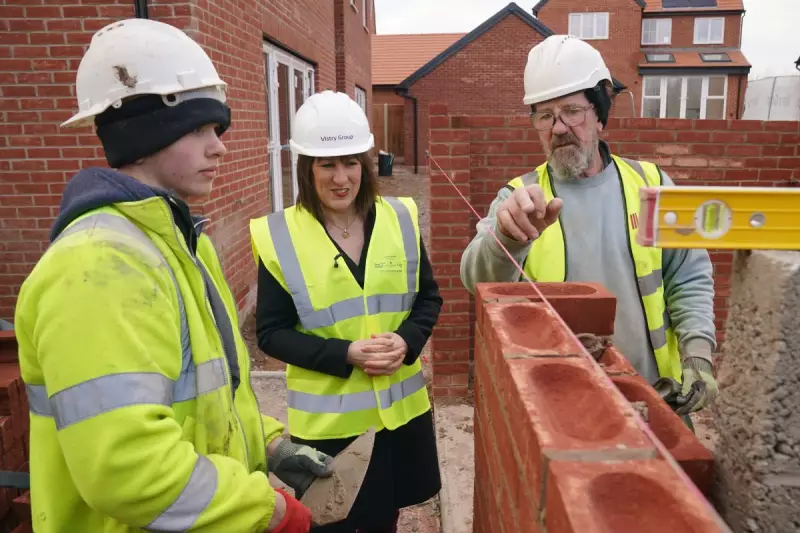
New figures have revealed a catastrophic collapse in housebuilding in London, with the number of new homes started in the capital falling to levels not seen since the aftermath of the Second World War.
A Staggering Collapse in Construction
During the last financial year, construction began on a mere 4,170 new homes across the whole of London. This represents a devastating 72 per cent reduction compared to the previous year. For context, London is a city of approximately nine million people, where over 300,000 households languish on social housing waiting lists and an estimated 210,000 residents are homeless and living in temporary accommodation.
Analysis from the Centre for Policy Studies (CPS) indicates that every year since 1946, London has completed over 10,000 homes. With starts now below half that historic benchmark, consultancy Molior predicts that completions will plummet to just 4,550 homes per year in both 2027 and 2028. This paints a picture of the most challenging period for housebuilding in the capital in over 75 years.

A National Crisis, Led by London's Failure
While London's figures are particularly severe, the crisis is nationwide. CPS analysis shows that in the 2024/25 financial year, every English region recorded a fall in housebuilding. The North West saw starts drop by 25.5 per cent, the East Midlands by 19.5 per cent, and the West Midlands by 13.5 per cent. Across England, new housing starts fell by 17 per cent overall, meaning 23,140 fewer homes were begun than the year before.
This persistent under-delivery compounds a cumulative deficit of homes, making the prospect of solving the housing crisis feel increasingly remote. The economic and social repercussions are profound. Businesses struggle to hire staff who can afford to live within a reasonable commute, stifling growth. Sky-high rents and unattainable purchase prices are forcing many to delay starting families, with declining birth rates threatening future school closures and a shrinking workforce.
Labour's Rhetoric Fails to Meet Reality
The Labour government entered office with a bold pledge to build 1.5 million homes by the end of the parliament, and parliamentary records show 'planning reform' was mentioned a record 520 times in 2025. However, the dramatic fall in construction starts suggests rhetoric has far exceeded tangible action.
Some measures have been introduced, notably an emergency package for London that rolled back former Mayor Sadiq Khan's affordability requirements and removed costly dual-aspect window regulations. A draft National Planning Policy Framework unveiled before Christmas also holds potential. Yet many interventions are temporary, and the government has been criticised for failing to adequately reform the Building Safety Regulator (BSR), whose processes are causing ludicrous delays for taller developments.
While broader issues like skills shortages and rising material costs plague the sector, the core failure is political. Without a government willing to match its ambitious talk with decisive, lasting action, the UK's housing crisis shows no sign of abating.