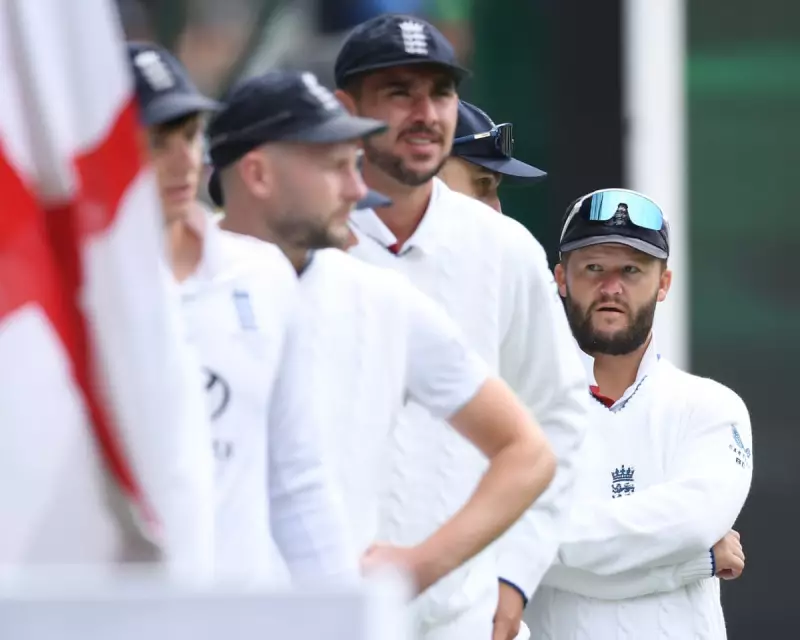
A staggering and chaotic opening day of the fourth Ashes Test at the Melbourne Cricket Ground saw a remarkable 20 wickets fall, plunging the contest into disarray and raising the spectre of another significant financial hit for Cricket Australia.
Record Crowd Witnesses Pitch Pandemonium
A record Boxing Day attendance of 94,199 spectators packed into the iconic MCG, but none could have anticipated the sheer carnage that unfolded before them. The pitch, offering lavish movement from the outset, became a batter's nightmare, leading to a relentless clatter of wickets that echoed England's famous 2010 victory on the same ground but with far more destructive consequences.
England's Early Dominance Turns to Dust
After winning the toss, England captain Ben Stokes had no hesitation in inserting Australia. His decision was vindicated before tea as debutant Josh Tongue produced a superb spell of five for 45, exploiting the conditions with a full length and wobble seam to skittle the hosts for a paltry 152. However, any hopes of a commanding position were brutally extinguished in a frenzied final session.

England's batting lineup capitulated in the face of relentless Australian bowling, slumping to 16 for four within just eight overs. Despite a minor recovery, they were eventually dismissed for 110 in 29.5 overs, with Michael Neser claiming four for 45. Australia ended the day with a fragile lead.
Financial Fears Loom for Cricket Australia
The dramatic collapse of wickets has triggered serious concerns for Cricket Australia officials, who now fear a second multimillion-dollar loss in this Ashes series. The precedent was set in Perth during the second Test, where a two-day finish led to mass ticket refunds and left travelling fans seeking alternative sightseeing plans.
With the Melbourne pitch displaying similar characteristics and a demoralised England side appearing broken even before the series was lost, the ingredients for another abbreviated match were all present. This latest episode of pitch-related chaos threatens not just the competitive balance of the series but also the financial bottom line of the host board.