The sight of a cricket curator facing the media post-match is a sure sign something has gone terribly wrong. That was the fate of Melbourne Cricket Ground's Matt Page, forced to explain himself after the fourth Ashes Test of 2025 concluded in just two days. While the pitch became the easy scapegoat, a deeper analysis reveals a story of sloppy batting and a corrosive modern mindset that turned the contest into a farce.
The Curator's Unwelcome Spotlight
In Australian cricket, pitch curators are treated as artists and oracles, their pre-match prognostications a staple of the build-up. For Page to be summoned again afterwards was an admission of disaster for Cricket Australia. His rationale was sound: fearing an imminent heatwave, he left slightly more grass to protect the surface. While this did offer excessive seam movement, it was far from the minefield of legend. The real anomaly lies in the result itself. Before this series, only six Ashes Tests had finished in two days, the last in 1921. This series has now produced two such finishes in four matches.
A Batting Collapse of Choice and Error
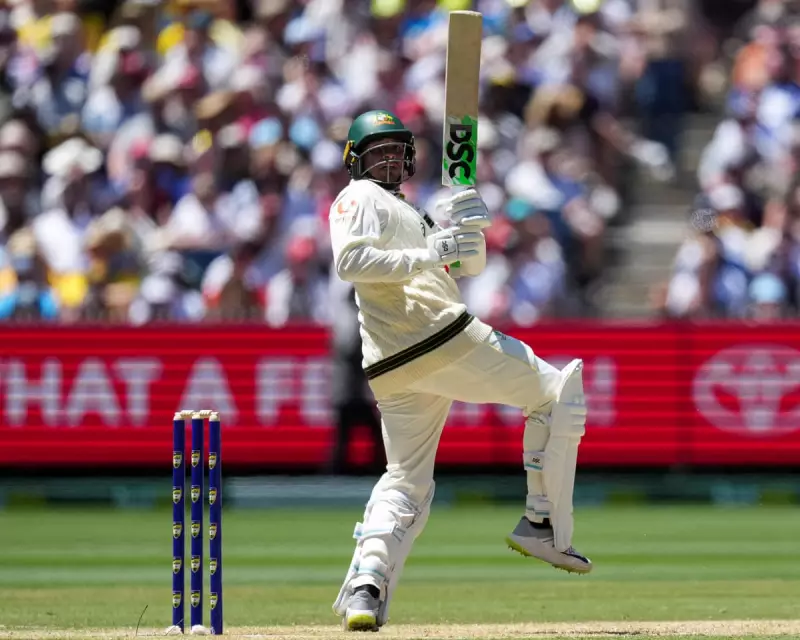
To blame the surface alone is to ignore the litany of poor shots and mental errors. Usman Khawaja's dismissal was emblematic: a poorly executed pull shot where he turned his head away from the ball. Cameron Green chased a delivery impossibly wide after a previous run-out. Alex Carey flicked straight to leg slip and later opened his face to a packed cordon. Australia batted like a side whose mission was accomplished, while England's chase was wild and frenetic. This was not simply a case of "unplayable" deliveries but a fundamental failure in technique and temperament.

The Corrosive "Get Them Before They Get You" Mentality
Beyond technical flaws, a damaging philosophy is taking root. The old cliché of "play your natural game" has been supplanted by a fatalistic belief in "a ball with your name on it." This logic suggests defence is as risky as attack on a tricky pitch, so batters might as well swing freely. It infected England's second innings and Steve Smith's approach with the tail, creating a manic, contagious rush towards a conclusion. This abandonment of the fight for control is a skill seemingly lost to the current generation.
The statistics are stark. The Melbourne Test now sits 10th on the list of shortest Ashes matches by deliveries, with the Perth Test from a month earlier at 9th. To argue that both pitches were historically worse than any produced in a century, including uncovered wickets, defies credibility. The common denominator is the batting. Page's press conference was an apology to the public, but as analyst Geoff Lemon contends, several players owe the curator an apology in return for making his work look worse than it was. The MCG surface was not perfect, but it deserved better than it got from those wielding the willow.