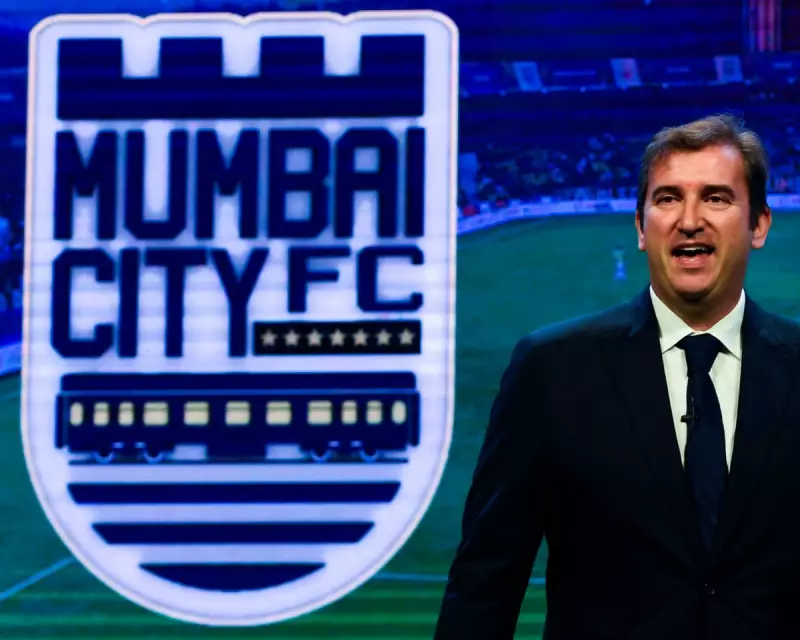
The City Football Group (CFG), the global multi-club network that includes Manchester City, has severed ties with Indian football, dealing a significant blow to the sport's prestige in the world's most populous nation.
A Divorce Driven by Uncertainty
In the final week of 2025, CFG divested its 65% ownership stake in Mumbai City FC, reducing its network from 13 clubs to 12. The group explicitly blamed its exit on "the ongoing uncertainty surrounding the future of the Indian Super League (ISL)." This move came after a comprehensive commercial review, highlighting a profound lack of confidence in the league's direction.
The scale of the crisis is stark. The 2025-26 ISL season was scheduled to begin in September 2025 but never kicked off. This paralysis stems from the expiration of a critical 15-year Masters Right Agreement between the All India Football Federation (AIFF) and its commercial partner in December 2025, with no new deal secured. A recent meeting in Delhi proposed a tentative restart date of 14 February 2026, nearly a full year after Mumbai City's last competitive match.

Systemic Failure and a 'Global Embarrassment'
The fallout has been severe and widespread. Referees have pleaded for work, foreign imports have departed, and players have publicly begged for a resolution. Bollywood actor and Northeast United owner John Abraham labelled the situation a shame, sharing a desperate player video with his millions of followers.
Ravi Puskur, owner of ISL club FC Goa—which suspended first-team operations this week—spoke bluntly to the Guardian. "The exit of City Football Group from Indian football is a serious indictment of the failures of the current administration," he said. He described CFG's departure as a damning reflection of systemic shortcomings and "a blot on the copybook of Indian football governance."
Former AIFF general secretary Shaji Prabhakaran echoed this sentiment, calling the exit a "global embarrassment" that highlights India's problems internationally. He emphasised that the loss extends far beyond finance. "You are losing global capacity... it is a brand loss, it is part of a network," he stated, referencing the severed links to clubs like Manchester City, Melbourne City, and Yokohama F. Marinos.
The End of a Promising Era and Its Dreams
CFG's six-year tenure with Mumbai City was notably successful on the pitch, yielding two ISL league shields and two ISL Cup trophies. For fans, the connection offered unparalleled access to global expertise, coaches like Petr Kratky from Melbourne City, and a dream of player development within the group's worldwide ecosystem.
"There are players and coaches we would never have seen I think had there not been the connection with Manchester City," said Mumbai supporter Suresh Khatri. The aspirational pathway for Indian talent to potentially move to other CFG clubs in Japan or Australia has now vanished.
The concern now is that CFG's withdrawal will have a chilling effect on all investment in Indian football. If an organisation with CFG's resources and patience cannot navigate the current chaos, other owners may question the logic of continuing to fund their clubs. The danger is a domino effect that could further cripple the league just as it seeks to belatedly restart.
As Prabhakaran summarised, the message to the world is clear: "If CFG could not continue, this means there is something seriously wrong in Indian football." The task for the game's administrators is not just to salvage a season, but to restore utterly shattered credibility.