Coroner Rules Heading Football Likely Contributed to Former Manchester United Defender's Death
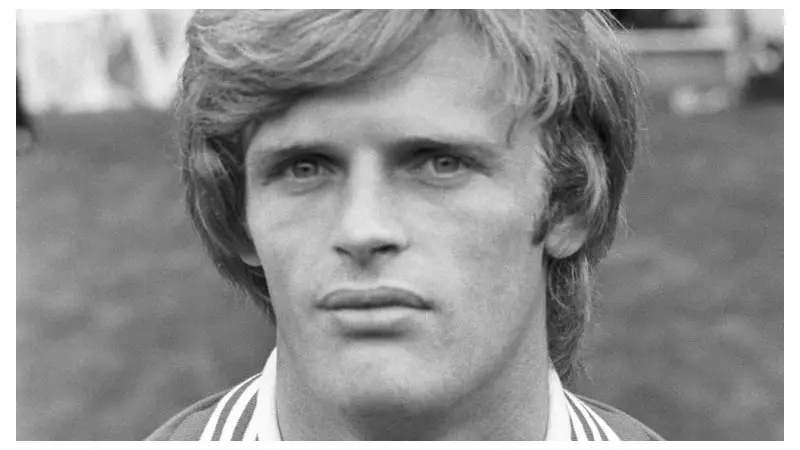
A North Yorkshire coroner has determined that heading a football is "likely" to have contributed to the brain injury that played a role in the death of former Manchester United and Scotland defender Gordon McQueen. The central defender, who earned 30 international caps for Scotland between 1974 and 1981, passed away at his North Yorkshire home in 2023 at the age of 70.
Inquest Details and Medical Findings
During a hearing in Northallerton earlier this month, coroner Jon Heath delivered a narrative conclusion, stating that Mr McQueen died from pneumonia as a consequence of mixed vascular dementia and chronic traumatic encephalopathy (CTE). CTE is a brain disorder associated with repeated head impacts. Mr Heath explicitly noted, "It is likely that repetitive head impacts sustained by heading the ball while playing football contributed to the CTE."
The inquest revealed that Mr McQueen had been diagnosed with vascular dementia in 2021. His frailty in the months leading up to his death was attributed to a combination of this condition and CTE. His family donated his brain posthumously to Professor Willie Stewart, a consultant neuropathologist at the Queen Elizabeth University Hospital in Glasgow, who confirmed evidence of both CTE and vascular dementia.
Family Testimony and Legacy Concerns
Hayley McQueen, the former player's daughter and a TV presenter, testified at the inquest. She recounted her father's own suspicions, stating he had told his family that heading a football for so long "probably hasn't helped." She described how he would return from training with Manchester United suffering from headaches, often retreating to a darkened room to rest.
Ms McQueen highlighted a concerning pattern in her father's later years, noting significant personality changes after his 60th birthday. Once very sociable and outgoing, he became increasingly withdrawn. Following the hearing, she expressed hope that her father's legacy would extend beyond his on-pitch achievements to spur meaningful action on brain injury risks in football.
She pointed to previous cases, such as that of Jeff Astle, and lamented the lack of progress, saying, "It should have been a turning point many, many years ago... not much has happened between that time and now." Ms McQueen called for greater education, emphasising that defenders like her father are at a significantly higher risk of neurodegenerative injuries.
Broader Context and Calls for Reform
This case adds to a growing body of evidence linking heading footballs to serious brain conditions. Five members of England's 1966 World Cup-winning squad, including Sir Bobby Charlton, were diagnosed with dementia, which contributed to their deaths. Jeff Astle's death in 2002 was similarly attributed to repeated trauma from heading, described as an "industrial injury."
In response to these risks, there have been increasing calls to ban or restrict heading in the sport. UEFA recommended in 2020 that young footballers should head the ball less frequently. In English football, heading has been prohibited in matches for under-7s to under-9s during the 2024-25 season, with the ban expanding to under-10s this season and projected to cover under-11s from 2026-27.
Ms McQueen warned of a potential "epidemic of brain disease" among a generation of players, particularly those in defensive positions. She urged that players be given the knowledge and choice regarding these risks, stating, "If you were told that you were more at risk... you may develop brain damage, I think you probably think very differently about how you train."
Gordon McQueen enjoyed a successful 16-year career, helping Leeds United to a league title in 1973-74 and a European Cup final in 1975, before joining Manchester United and winning the FA Cup in 1983. His case underscores the urgent need for ongoing research and policy changes to protect footballers at all levels from the long-term effects of head impacts.