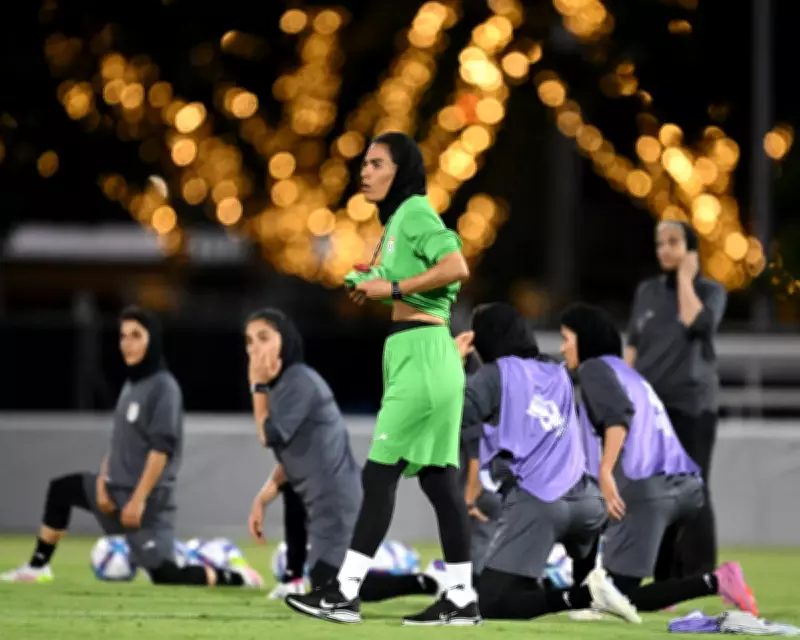
Iranian Women's Football Team Confronts Protests at Asian Cup in Australia
The Iranian women's national football team faced significant protests during their participation in the Asian Cup held in Australia, drawing attention to ongoing human rights concerns in Iran. The demonstrations, which occurred at match venues and in surrounding areas, were organized by activists and diaspora groups advocating for women's rights and political freedoms in Iran.
Protests Highlight Broader Issues
The protests targeted the team as a symbol of the Iranian government, with activists using the high-profile sporting event to amplify their message on an international stage. Demonstrators held signs and chanted slogans calling for greater freedoms and condemning human rights abuses in Iran, particularly focusing on women's rights issues that have been a central point of contention in recent years.
The Iranian team's presence at the Asian Cup became a focal point for these demonstrations, reflecting how sports can intersect with political activism. The protests were largely peaceful but underscored the tensions between Iran's participation in international competitions and the domestic policies that have sparked global criticism.

Impact on the Tournament and Team
The Asian Cup, a major football tournament for women's national teams in Asia, was held in Australia, a country with a significant Iranian diaspora. This setting provided a platform for protesters to voice their concerns directly to international media and football fans. The Iranian Football Federation has not issued an official statement regarding the protests, but sources indicate that the team focused on their matches amid the external pressures.
Football officials in Australia and Asia monitored the situation to ensure security and minimize disruptions to the tournament. The protests did not lead to any cancellations of matches involving Iran, but they added a layer of complexity to the event, highlighting how geopolitical issues can permeate sports.
Broader Context of Sports and Politics
This incident is part of a larger trend where international sporting events become arenas for political expression. In recent years, various teams and athletes from Iran have faced similar protests abroad, often related to:
- Women's rights and the mandatory hijab laws
- Political repression and freedom of expression
- International sanctions and diplomatic tensions
The Asian Cup protests underscore the challenges faced by Iranian athletes who compete globally while representing a country under scrutiny for its human rights record. For the women's football team, this adds to the pressures of performing at a top-level competition, balancing athletic goals with the political realities of their homeland.
As the tournament progresses, the focus may shift back to football, but the protests have already made a mark, reminding observers of the ongoing struggles in Iran and the power of sports to spotlight social issues. This event serves as a case study in how athletic competitions can transcend mere games, becoming platforms for advocacy and change.