US World Cup Hosting Faces Justified Scrutiny Amid Safety Concerns
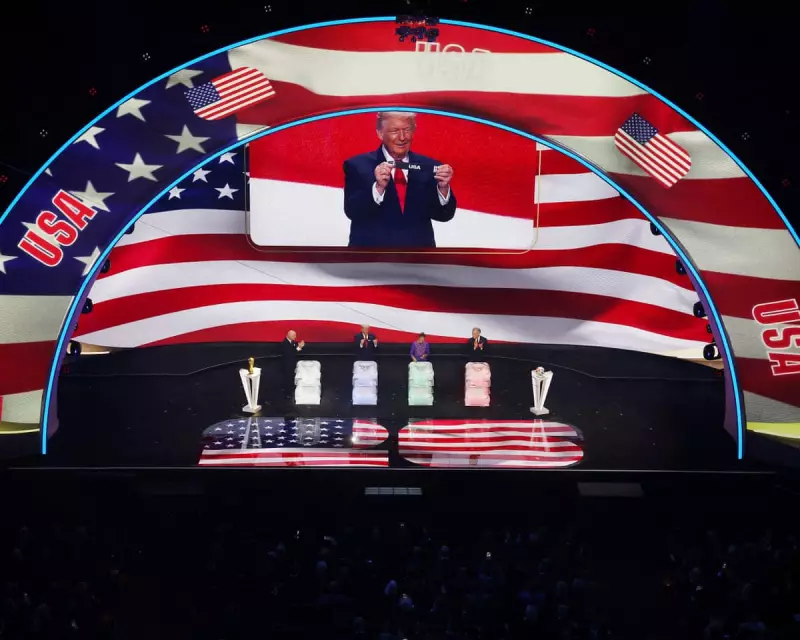
The presence of Donald Trump representing the United States at the World Cup draw last December now carries a bitter irony. As the nation prepares to co-host the 2026 tournament with Canada and Mexico, mounting evidence suggests the country may no longer be fit to stage football's showpiece event.
A Dream Tournament Under Threat
Removing the United States as World Cup host would undoubtedly cause widespread disappointment. American soccer fans would lose the opportunity to witness the sport's pinnacle in their home cities. Local businesses and municipalities would forfeit anticipated economic benefits worth billions. The logistical challenges of relocating matches would create an unprecedented international sporting crisis.
Yet this drastic action appears increasingly justified. A nation where federal violence threatens public safety cannot reasonably claim to provide the secure environment required for a global sporting spectacle.

The American Soccer Dream Meets Harsh Reality
The United States has pursued men's World Cup hosting rights for over fifteen years. This ambition survived the disappointment of losing bids for the 2018 and 2022 tournaments to Russia and Qatar. When the 2026 hosting rights were finally secured alongside North American neighbours, it represented a crowning achievement for American soccer.
The tournament was positioned as America's opportunity to demonstrate how football has become woven into the nation's cultural fabric since first hosting in 1994. Soccer's growing popularity has influenced other American sports, fostered greater international sporting engagement, and sparked important societal conversations.
Many believed the 2026 World Cup would showcase not just American soccer's progress, but how the sport has positively transformed the nation itself.
Safety Concerns Overshadow Sporting Celebration
Recent events have shattered this optimistic outlook. Federal agents have killed two innocent people in Minneapolis within three weeks, despite clear video evidence showing neither posed any threat. Senior government officials have subsequently labelled these victims "domestic terrorists," directly contradicting available evidence.
This pattern extends beyond isolated incidents. US Immigration and Customs Enforcement reports thirty-two deaths in custody during 2025 alone. Immigration officers have fired weapons at people nineteen times since the beginning of the current crackdown, resulting in at least five fatalities including the Minnesota deaths.
Despite claims of targeting criminals, the administration's immigration operations have primarily detained individuals with no criminal record. These raids have disproportionately affected Democratic-leaning metropolitan areas – which coincidentally include ten of the eleven American World Cup host cities.
Political Climate Contradicts Football's Values
FIFA President Gianni Infantino has emphasised that football's most important contemporary message should be one of peace and unity. This stands in stark contrast to the current American administration's approach, which has included capturing foreign leaders potentially in violation of international law, threatening military action against allies, and engaging in continuous diplomatic conflicts – including with World Cup co-hosts Canada and Mexico.
These actions raise fundamental questions about America's capacity to safely welcome hundreds of thousands of international visitors. Would fans feel comfortable spending thousands of dollars to visit a country experiencing such internal and external tensions?
The Difficult Path Forward
Discussions about potential boycotts have begun circulating, though remain limited in scope. Should sufficient nations participate, FIFA could face pressure to reconsider the American hosting arrangement. However, the practical challenges would be enormous – lost revenue, scheduling nightmares, and logistical complexities.
Football authorities maintain confidence in the sport's resilience. CONCACAF President Victor Montagliani recently stated that "football is bigger than them" when referring to current world leaders, asserting the sport would survive beyond any particular administration.

Yet the uncomfortable reality remains that the 2026 World Cup will occur under this administration's oversight. Donald Trump himself has suggested matches could be relocated from cities deemed unsafe – though he referred to moving them within American borders rather than internationally.
Given the current climate, arguments for removing the tournament entirely from the United States are becoming increasingly difficult to dismiss. What was meant to be American soccer's crowning achievement now risks becoming its most controversial chapter.