Growing Concerns Over Women's Champions Cup Fairness and Integrity
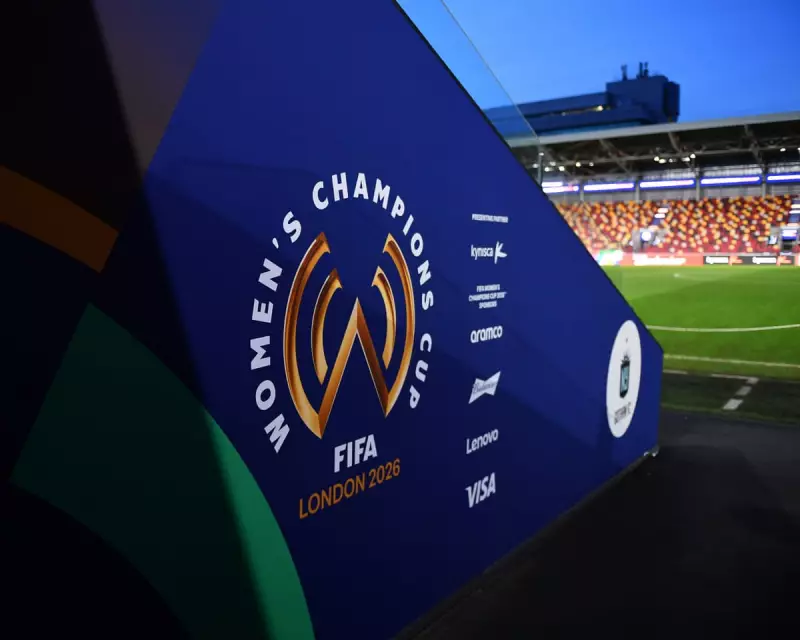
The inaugural FIFA Women's Champions Cup has sparked significant controversy, with participating clubs expressing serious concerns about the competition's fairness and integrity. The tournament, which pits continental champions from UEFA, AFC, CONCACAF, and CAF against each other, has been criticised for providing Arsenal with substantial financial and logistical advantages due to its London location and the final being hosted at Arsenal's Emirates Stadium.
Built-in Advantages for Host Club
While there is widespread support for a global club competition in women's football, and the announcement of a record-breaking £1.7 million prize pot has been welcomed, clubs have grown increasingly frustrated with the tournament's organisation. Gotham FC, AS Far, and Corinthians have all raised concerns about what they perceive as insufficient action from FIFA to address Arsenal's significant home advantage.
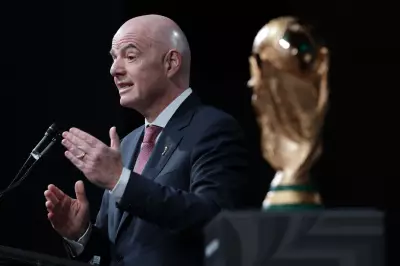
A FIFA spokesperson defended the selection of London, stating: "As this is the inaugural edition of the competition, FIFA undertook a comprehensive assessment to identify the most suitable location to launch this new event. London was selected as the optimal choice based on a range of strategic considerations."
The spokesperson continued: "Key factors such as visibility, player experience, climate, accessibility for global fans and teams, media infrastructure, and commercial potential were thoroughly evaluated. London offers world-class football infrastructure, a strong and diverse fanbase, and the ability to amplify the competition's profile on a global scale."
Timing and Logistical Challenges
The competition's timing has created significant challenges for participating clubs. While UEFA Champions League winners Arsenal and CAF Champions League winners AS Far will be in mid-season form, other teams face substantial disruption. NWSL Championship winners Gotham FC completed their 2025 season in late November, with their 2026 season not beginning until mid-March.
This mismatch has caused major logistical issues around player availability and transfer window activity. For Gotham FC, calling players into pre-season early breaches the NWSL Players' Association Collective Bargaining Agreement, which guarantees players a minimum of 28 days off during the offseason. The club has had to negotiate with the Players' Association to reallocate protected days off, affecting their preparation for the 2026 NWSL season.
Corinthians face additional challenges, with visa issues delaying the arrival of key players until just days before the tournament. The Brazilian club's domestic season concluded in September, creating an extended break before the Champions Cup.
Financial and Facility Disparities
Financial concerns have also emerged, with FIFA only supporting training for three days before the first game, leaving clubs to bear the burden of ensuring players are physically prepared. Four-to-six week preseasons are widely considered necessary for proper player preparation after extended breaks.
Facility discrepancies have further highlighted the inequality between Arsenal and visiting teams. While FIFA provides standard tournament support including business class flights, accommodation, and on-the-ground assistance, Arsenal benefit from access to recovery resources like ice baths at their training ground at no extra cost. Visiting clubs do not receive these facilities, creating additional challenges for player welfare.
The growing costs of participation have begun to offset financial benefits for travelling teams. While FIFA maintains that no team will be financially out of pocket due to tournament participation, sources indicate that Gotham FC's expenses, including a three-week training camp in Europe, mean only winning the competition would leave them in profit.
Future Evolution and Competitive Balance
Should Arsenal and Gotham FC reach Sunday's final, attention will focus on the ongoing debate about which league - the NWSL or WSL - represents the highest level of women's football. Players and fans alike want such showdowns to occur on as level a playing field as possible.
A FIFA spokesperson acknowledged the need for development, telling The Guardian: "We understand that, as with all our events, this tournament will evolve and strengthen over time, just as we've demonstrated with the growth journey of the FIFA Women's World Cup."
The inaugural Women's Champions Cup represents a significant step forward for global women's club football, but the concerns raised by participating clubs highlight the challenges of creating truly equitable international competitions. As the tournament develops, addressing these fairness issues will be crucial for its long-term success and credibility in the women's game.