Alysa Liu Claims Olympic Gold, Breaking 24-Year US Figure Skating Drought
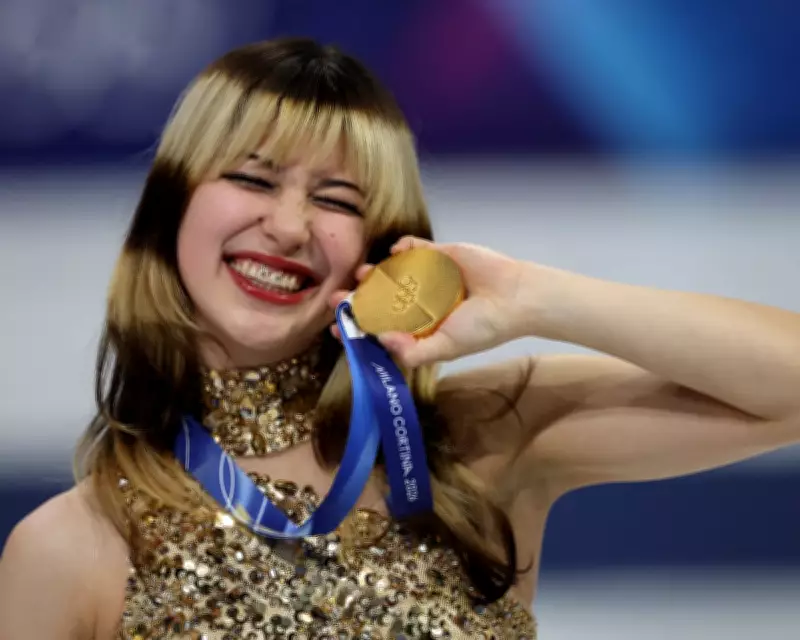
In a stunning late-night victory at the Milan Winter Olympics, Alysa Liu secured the gold medal in women's figure skating, marking the first time an American woman has won this prestigious title in 24 years. The 20-year-old from West Oakland executed seven flawless triple jumps in her free skate, catapulting from third place after the short program to surpass Japanese rivals Kaori Sakamoto and Ami Nakai. With a medal draped around her neck and sequins sparkling under the lights, Liu's triumph was not just about athletic prowess but a testament to her transformative journey back to the sport.
A Journey of Rediscovery and Resilience
Liu's path to Olympic glory was far from conventional. After finishing sixth at the 2022 Beijing Games, she stepped away from figure skating, citing mental fatigue and a loss of passion. She enrolled at UCLA to study psychology, embarked on hiking trips in the Himalayas, and distanced herself from the competitive pressures that had defined her since winning the US nationals at age 13. "I really hated skating when I quit," Liu admitted in the lead-up to Milan. "I didn't care about competitions or places. I wanted nothing to do with it."
However, a chance ski trip to Lake Tahoe reignited her love for movement, leading her back to the ice. She began skating once a week at public sessions, gradually rediscovering her skills and embracing skating as a form of self-expression rather than a competitive pursuit. This comeback, dubbed "Alysa 2.0" by observers, was entirely on her own terms: she took full control over her training, costumes, and schedule, with her father no longer part of the team. Her focus shifted from results to artistry and personal fulfillment.

Overcoming Pressure with a Joyful Mindset
Liu's carefree approach to the Olympics stands in stark contrast to the results-obsessed culture that often plagues elite athletes. She spoke candidly about how her experiences as a child prodigy and burnout case fostered an indifference to scores and placements. "Protecting my identity is my main goal," she explained after her win. "I hang out with friends and family, explore hobbies, and stay grounded. That's what keeps me going."
Her coaching team, including Phillip DiGuglielmo and Massimo Scali, adapted to her values, emphasizing stress management and enjoyment over victory. DiGuglielmo noted that they even shared pre-skate champagne to ease nerves, reflecting Liu's philosophy. "Her goal was to show her art," he said. "We can't say she has to win; that doesn't align with her values. Making the Olympic team was the big deal for her."
The Emotional Aftermath and Broader Impact
While Liu celebrated her gold, silver medalist Kaori Sakamoto of Japan faced heartbreak, missing the top spot by just 1.28 points due to minor errors in her routine. The 25-year-old, who is retiring after this season, had hoped for a storybook ending after her bronze in Beijing and three consecutive world championships. Her tears highlighted the brutal unpredictability of figure skating, where second place can feel like a loss.
Liu's victory, however, extends beyond the podium. She has become a symbol of resilience and joy in sports, proving that mental well-being can enhance performance. Her comeback included winning the world championships in 2023, the first American to do so since 2006, and overcoming obstacles like music rights issues and a scrapped program due to a police investigation. Now, as the reigning world and Olympic champion, Liu returns to the US with two gold medals, solidifying her status as a leader in figure skating.
In her own words, Liu summarized her journey: "My story is more important than anything to me. This has been an incredible journey, and I'm grateful for everything that led me here." Her success offers a powerful lesson in balancing ambition with happiness, reshaping the narrative for future athletes.