The Court of Arbitration for Sport (CAS) has definitively dismissed Ukrainian skeleton athlete Vladyslav Heraskevych's appeal for reinstatement in the Winter Olympics, following his controversial removal from the competition over a helmet commemorating Ukraine's war dead. The ruling, delivered on Friday in Milan, marks a significant setback for the 27-year-old athlete and highlights ongoing tensions between sports governance and political expression at international events.
Helmet of Memory Sparks Olympic Controversy
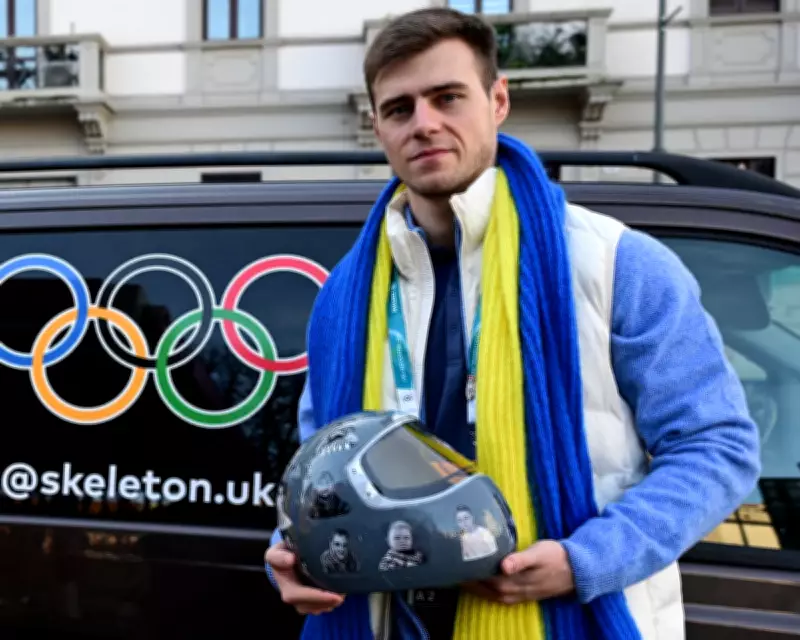
Heraskevych was abruptly removed from the Olympic program on Thursday after the International Bobsleigh and Skeleton Federation jury determined that the imagery on his custom helmet violated strict rules prohibiting political neutrality breaches at the Games. The helmet, dubbed the 'helmet of memory,' featured poignant depictions of Ukrainian athletes who have lost their lives since Russia's full-scale invasion began in February 2022. This design was intended as a solemn tribute to fallen compatriots, but officials deemed it a political statement incompatible with Olympic regulations.
Athlete's Reaction and Future Steps
In response to the CAS decision, Heraskevych expressed profound disappointment, stating emphatically, 'CAS has failed us.' The athlete, who posed with the helmet after the hearing, indicated that he and his team are now carefully considering their next legal and advocacy steps. This case has drawn attention from high-profile figures in the sporting world, including former Olympic champion Lizzy Yarnold, who publicly criticized Olympic authorities, asserting they have 'got it badly wrong' in handling this sensitive matter.

Broader Implications for Sports and Politics
The dismissal underscores the complex and often contentious relationship between athletic competition and geopolitical issues. While Olympic charters explicitly forbid political demonstrations, many argue that Heraskevych's helmet represents a memorial rather than a protest, raising questions about the interpretation and enforcement of neutrality rules. This incident occurs against the backdrop of the 2026 Winter Olympics, where debates over athlete expression and international conflicts are likely to intensify further.
Legal and Ethical Dimensions
The CAS hearing focused narrowly on whether the federation's decision adhered to established sporting protocols, rather than on the ethical merits of the helmet's message. Legal experts note that such cases frequently hinge on procedural compliance, leaving little room for considerations of humanitarian or memorial intent. As Heraskevych contemplates potential appeals or alternative actions, this ruling may influence how future athletes navigate the delicate balance between personal tributes and Olympic regulations.
The outcome has sparked discussions within the global sports community about the need for clearer guidelines and greater flexibility in honoring national tragedies during international competitions. With the Winter Olympics approaching, stakeholders are closely watching how similar situations might be addressed to preserve both the spirit of the Games and the dignity of athletes affected by conflict.