Liverpool Street Station's £1.5 Billion Revamp Approved Amidst Public Outcry
Plans for a major transformation of Liverpool Street station, the busiest train station in the United Kingdom, have been officially greenlit by the City of London. The controversial redevelopment, set to cost £1.5 billion, aims to address overcrowding and modernize the station's layout, but it has sparked significant opposition from commuters, heritage advocates, and local authorities.
Key Features of the Redevelopment
The ambitious project includes a comprehensive overhaul of the station's infrastructure. Key elements involve:
- A new 20-storey office tower block above the station, featuring offices, a hotel, and luxury amenities such as a swimming pool.
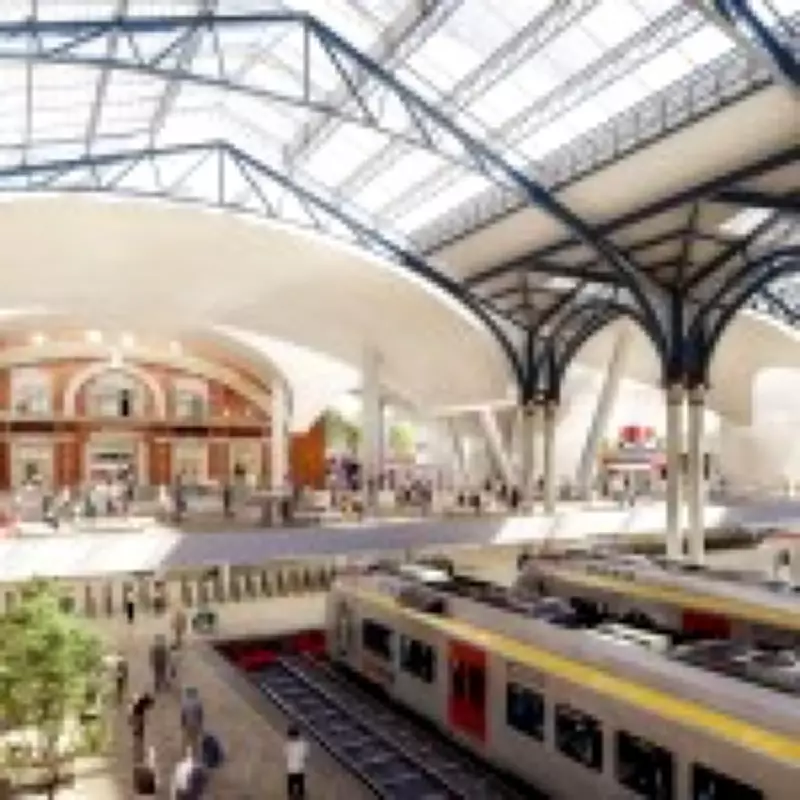
- A redesigned station entrance and a large new concourse to increase overall capacity by 76%.
- Installation of new lifts, escalators, and additional ticket barriers to improve passenger flow.
- Enhanced step-free access, improved signage, and more bicycle storage facilities.
- Addition of various cafes, restaurants, and shops to cater to commuters and visitors.
Network Rail, the entity behind the proposal, stated that the upgrades are necessary to handle forecasted growth, with annual passenger numbers expected to rise to 158 million. The project is managed by property developer Sellar, MTR, and Network Rail, who claim it will enhance London's global status without imposing costs on passengers or taxpayers.

Heritage Concerns and Public Backlash
Despite the promised improvements, the redevelopment has faced fierce criticism. Actor Griff Rhys Jones, president of the Victorian Society and the Liverpool Street Station Campaign, condemned the approval as a 'sad day for the City of London.' He argued that the tower block is 'disfiguring' and unnecessary, focusing more on retail opportunities than commuter needs, while threatening listed buildings and conservation areas.
Public objections have been widespread, with thousands of complaints lodged on the City of London Corporation's planning portal. Critics like Victoria Blackie described the design as 'bland concrete and steel,' warning that it erodes the capital's character. Similarly, Luke Christodoulou labeled the tower 'ugly and uninspired,' and Pascal Dubois-Pelerin criticized it for being out of place in mass, location, and style.
Local councils, including Westminster and Hackney, have raised alarms about the tower obscuring views of St Paul's Cathedral and causing 'substantial harm' to the historic fabric of the area. On social media platforms like Reddit, users expressed concerns that the 'ugly' structure would ruin the station's aesthetic with 'zero benefit to rail passengers.'
Balancing Progress and Preservation
In response to the backlash, James Sellar, chief executive of Sellar, emphasized that the objections should be weighed against the potential benefits for approximately 130 million passenger journeys. Network Rail has assured that the Victorian trainshed will remain untouched, aiming to respect the station's heritage while modernizing its facilities.
Following the approval on February 10, 2026, Ellie Burrows, managing director for Network Rail's Eastern region, highlighted the project's role in future-proofing the station for decades. However, the debate continues as stakeholders grapple with the trade-offs between urban development and historical preservation in one of London's most iconic transport hubs.