London's vast Underground network has seen many station names evolve with the city's shifting landscape. Yet one stop, tantalisingly close to a world-famous cultural district, has stubbornly retained its original title for a simple reason: the price tag was too high.
The Station Next to a Landmark
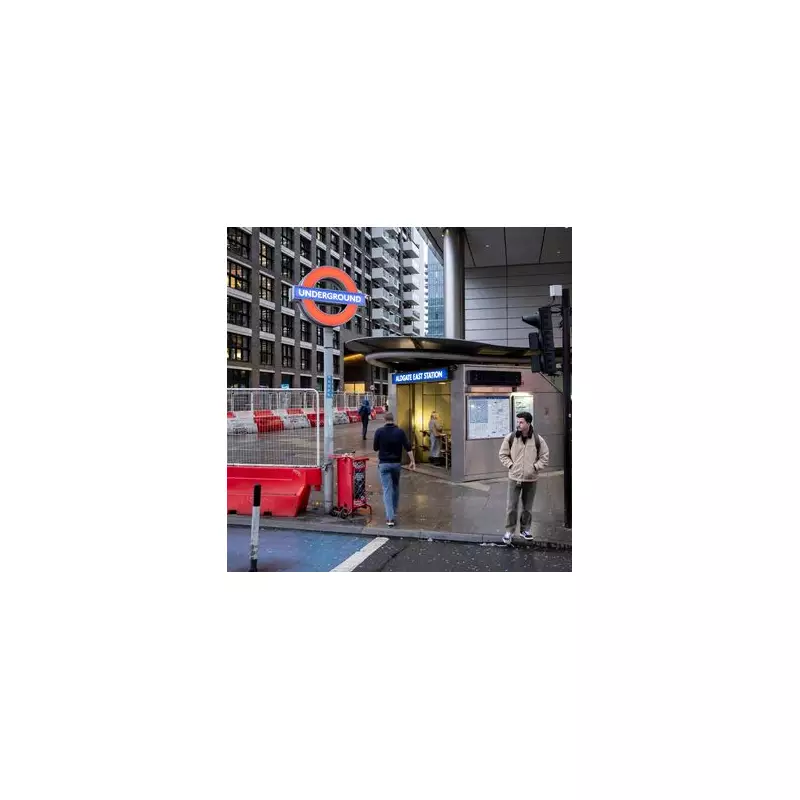
Aldgate East station, serving the District and Hammersmith and City lines, sits just a stone's throw from the vibrant heart of Brick Lane. For many, it seems a curious anomaly that the station isn't named after the iconic street known for its curry houses, street art, and bustling markets, which it so conveniently serves.
The debate for a rebrand is not new. It gained notable traction back in 2008 when the then Mayor of London, Ken Livingstone, publicly floated the idea. His comments came as he announced the renaming of one of the two Shepherd's Bush stations to 'Shepherd's Bush Market'.

The Cost That Killed the Change
While considering other potential renames, including the two separate Edgware Road stations, Mr Livingstone explicitly addressed Aldgate East. He acknowledged that the financial implications were a major barrier.
The core issue was that Aldgate East is served by two different Tube lines. A name change would necessitate updating signage across both lines, a logistically complex and expensive undertaking. Transport for London (TfL) further noted that associated costs would extend to updating maps and signalling systems across the network.
"[London Underground] has not identified any other stations which would be suitable candidates for a name change," Mr Livingstone stated at the time. "This includes Aldgate East because of the cost (it is on two Tube lines which will need signage changes) and because the existing name has a long-standing historical connection with the area."
History Versus Modern Identity
This historical connection ultimately provided the second pillar of defence for the station's name. 'Aldgate' itself is a name steeped in London's past, referencing one of the original gates in the City's ancient wall. While Brick Lane's modern cultural cachet is undeniable, the weight of history held sway.
Mr Livingstone did leave a small door open, remarking, "I am prepared to look at these cases, although there are cost implications of doing so. However, if a case can be made then I will seriously consider changes." To date, however, that compelling case has not been made strongly enough to unlock the significant funds required.
So, Aldgate East remains Aldgate East. It stands as a testament to the complex calculations behind London's infrastructure, where practical costs and historical legacy can sometimes outweigh a seemingly logical modern rebrand. For now, passengers heading to the bagel shops and vintage stores of Brick Lane will simply have to remember to alight at the station named for an ancient gate, not the famous lane beside it.