

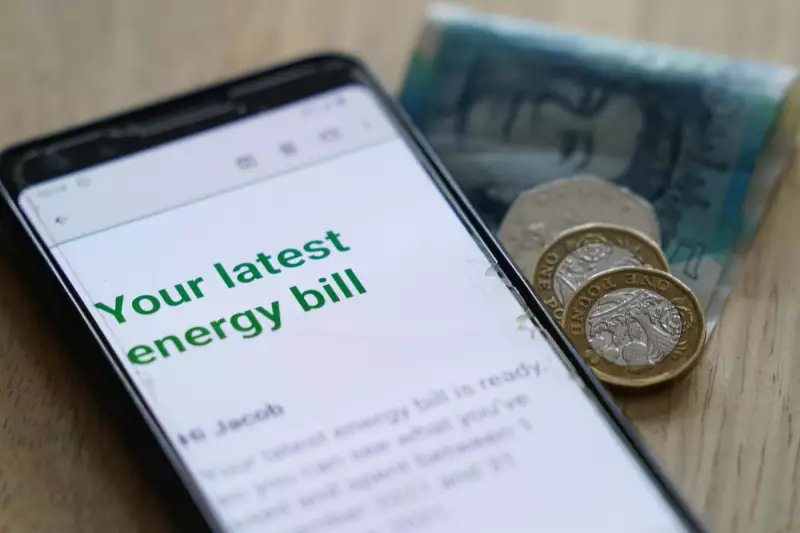
Households across the UK have been greeted with headlines promising a £150 reduction in their energy costs, a measure that might suggest the ongoing crisis is finally easing. However, a closer examination reveals a significant timing issue that could leave families financially exposed during the coldest months.
The Crucial Timing Gap in Government Support
The central problem is one of scheduling. While the government's £150 cut has been announced, it is not set to be applied until April 2026. This spring arrival stands in stark contrast to the immediate reality facing consumers. Right now, during January's deep freeze, the Energy Price Cap is actually rising.
This increase coincides precisely with the period of highest energy consumption, as heating systems work overtime. The result is a perfect storm: households are paying peak prices for their peak usage, while the promised financial relief remains a distant prospect on the horizon. Experts warn that waiting for the spring cut could ultimately cost consumers hundreds of pounds more over the winter period, negating much of the benefit.

Securing Certainty with a Fixed Tariff
In this climate of uncertainty, one proactive strategy is gaining attention: switching to a fixed-rate energy tariff. Securing a fixed deal that sits below the current Price Cap can lock in a lower rate for the critical high-usage months from December through March.
This move provides two key advantages. First, it offers immediate protection against the current winter price spike embedded in the cap. Second, it shields consumers from future market volatility and potential further increases, granting peace of mind and predictable budgeting during an otherwise unpredictable time for bills.
Why the Spring Cut May Not Be Straightforward
Further complicating the picture are warnings that the April reduction may not be as simple as it appears. Industry analysts point to ongoing fluctuations in wholesale energy prices and an upcoming Ofgem review of network charges as factors that could alter the final saving delivered to households.
Companies like Utility Warehouse, which has built a reputation for bundling household services, are highlighting this uncertainty. They are currently promoting fixed tariffs for new customers and offering a £150 welcome bonus for those who also take broadband, mobile, and insurance services via a cashback card, presenting an alternative route to immediate bill relief.
The overarching message from energy market observers is clear: while the government's planned cut is welcome, its delayed implementation renders it ineffective for the current winter crisis. Taking independent action now by exploring a competitive fixed deal could provide faster, more certain financial protection against the season's highest bills.






