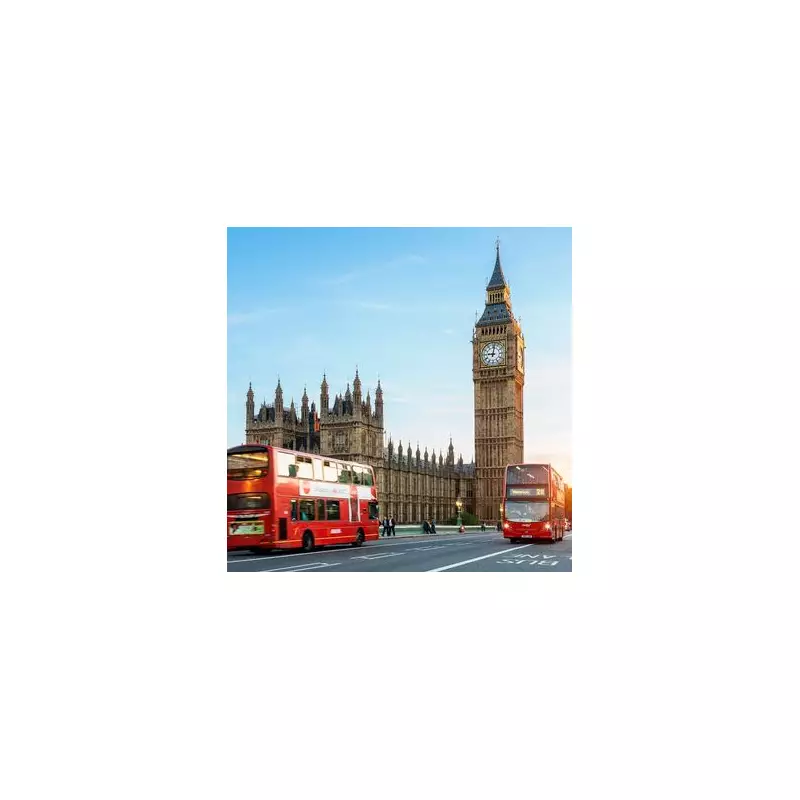
A proposed tourist tax on overnight visitors to London has the potential to generate more than £350 million in additional revenue for the capital each year, according to fresh analysis. However, central London boroughs are already making a strong case to retain a significant portion of the income to cover the costs associated with hosting millions of tourists.
Substantial Revenue Forecast from Overnight Levy
New modelling from Central London Forward (CLF), a group representing 12 central London local authorities, reveals that a three per cent levy on the cost of hotel rooms and short-term lets could yield an impressive £352 million annually. This projection, shared with the Local Democracy Reporting Service, is notably higher than earlier estimates, which had suggested a potential annual income of up to £240 million.
The power to introduce such a charge was granted to Mayor of London Sir Sadiq Khan last year, following extensive lobbying of government ministers. CLF advocates for a percentage-based system, similar to those used in cities like Berlin, Edinburgh, and New York, arguing it is fairer than a flat nightly fee. A percentage charge automatically adjusts with room prices and avoids budget and luxury travellers paying the same fixed amount.

Central Boroughs Push for 50% Revenue Share
The analysis highlights a stark concentration of potential revenue in the heart of the capital. The 12 CLF boroughs alone are projected to raise £275 million of the total £352 million, with the remaining London authorities generating an estimated £77 million.
Given they host the majority of London's visitor accommodation—including 71% of hotel rooms and 67% of short-term lets—these central boroughs are calling for half of all revenue to be directed to them. They argue this is essential to mitigate the increased pressure on local services caused by tourism, from street cleaning and maintenance to public safety and realm improvements.
Westminster stands to gain the most, with estimates suggesting it could raise over £95 million by itself. Other boroughs like Camden, Kensington and Chelsea, and Tower Hamlets are each forecast to bring in more than £20 million per year.
Future Growth and Official Responses
The revenue potential is expected to grow in the coming years alongside London's tourism infrastructure. Currently, there are 196 hotels across London in planning, under construction, or being renovated, which could add 29,500 new rooms. Furthermore, with an average annual increase of two per cent in Airbnb listings, another 1,249 short-term lets could enter the market within five years.
This expansion could raise an additional £13.1 million London-wide, with £7.2 million coming from the CLF boroughs alone.
Councillor Adam Hug, Chair of Central London Forward and Leader of Westminster City Council, stated: "Central London boroughs play a crucial role in ensuring the visitor economy grows and thrives... Many of these services for visitors are currently funded by our local residents which is not right." He called for government legislation to ensure at least 50% of the levy revenue is retained by London boroughs.
A spokesperson for the Mayor of London welcomed the new powers, saying: "This extra funding will directly support the capital's economy and help cement our reputation as a global tourism and business destination." They added that plans for developing the levy, including engagement with local authorities and the tourism sector, would be outlined after the government's consultation on the levy's design concludes.