A stark warning has been issued that the UK's heavy dependence on Chinese supply chains for clean energy technology could jeopardise up to 90,000 domestic jobs and derail national climate goals. The caution comes from a major report by the Institute for Public Policy Research (IPPR), a left-leaning thinktank.
The Scale of the Supply Chain Threat
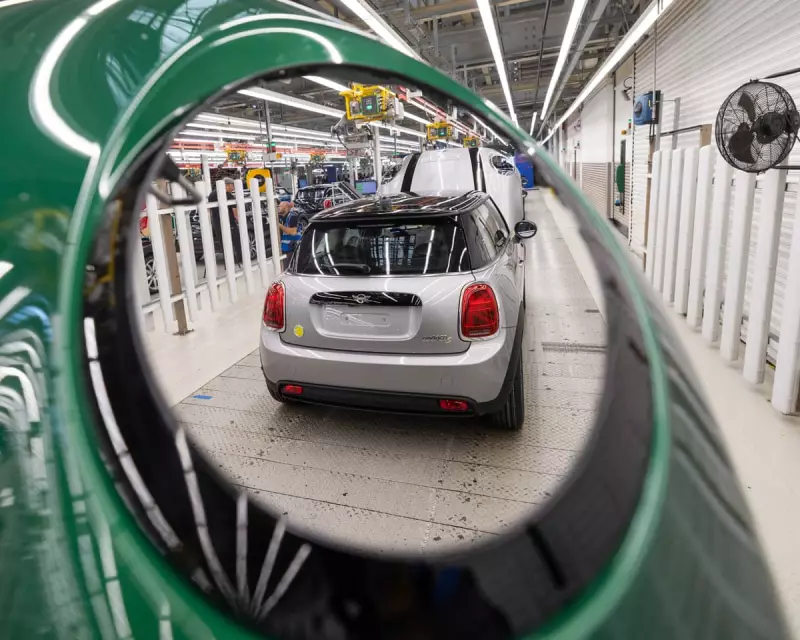
The IPPR's analysis paints a concerning picture of vulnerability. It states that a year-long disruption to the supply of essential battery components for electric vehicles (EVs) could halt production of more than 580,000 electric cars in the UK. This single shock event would directly endanger approximately 90,000 jobs across the automotive and energy sectors.
Furthermore, delays in receiving solar components and batteries would significantly slow the rollout of new solar farms. This double blow would put the UK's legally binding clean energy targets in serious peril. The economic cost of falling back on expensive gas generation to compensate for the shortfall would add an extra £1.5 billion a year to the nation's energy bill.

Call for a New Policy of 'Securonomics'
The report, emerging in a period of widespread geopolitical upheaval post-pandemic, highlights that 80 to 90 percent of global refining for critical minerals is controlled by China. This concentration of supply leaves the UK and its allies exposed to significant economic and political shocks.
In response, the IPPR is urging Chancellor Rachel Reeves to adopt a strategic policy of 'securonomics'. This approach would involve diversifying supply through greater international investment and building stronger partnerships with allied nations. Pranesh Narayanan, a senior IPPR research fellow and report author, likened the UK's position to "a small open trading nation sailing through an international economy whose waters are getting choppier by the day."
He pointed to factors like a potential trade war under a Donald Trump administration and rising global conflicts as direct threats to the UK economy due to its deep trade dependencies. Laura Chappell, IPPR's associate director for international policy, added that diplomats should work to forge partnerships that underpin Britain's future energy security, creating "win-wins" that generate jobs and growth.
Global Context and Government Response
The warning comes as China consolidates its position as the global leader in manufacturing key electronic and renewable energy technologies. Despite international trade tensions, China reported a record annual trade surplus of $1.189 trillion last year. Economists note that Chinese firms are adapting by setting up overseas production hubs to maintain access to Western markets.
The IPPR's recommendations for the UK government are clear:
- Clarify its stance on Chinese investment in the UK's clean energy infrastructure.
- Boost investment in domestic production capabilities for batteries and green steel.
- Collaborate with international allies to build strategic stockpiles of solar panels, batteries, and critical minerals.
A UK government spokesperson responded by stating: "Thanks to our industrial and critical minerals strategies we’re backing our automotive and clean energy sectors to grow, cutting our dependency on imports and protecting British jobs." The thinktank's report, however, suggests current efforts may be insufficient to shield the economy from a major supply chain shock originating in Asia.