

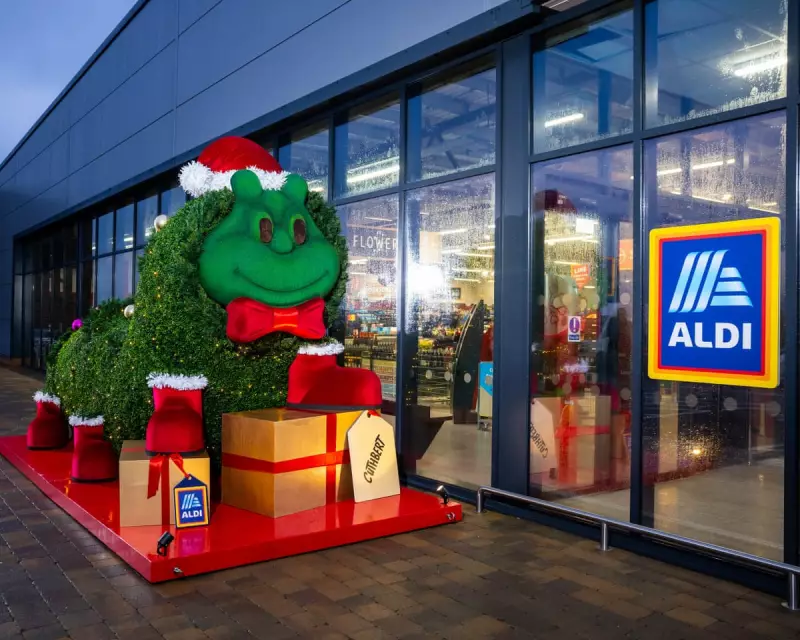
Aldi and its rival discounter Lidl have both announced record-breaking Christmas trading figures, as millions of British households focused on cutting their festive food bills without compromising on quality.
A Festive Surge for the Discounters
The UK arm of German supermarket Aldi reported that sales in the four weeks leading up to Christmas Eve rose by 3% year-on-year, reaching a total of £1.65 billion. The final week before Christmas was particularly strong, with a surge of 5% or £500 million. The retailer, which is Britain's fourth-largest supermarket, did not provide like-for-like sales figures, a standard industry measure, citing its ongoing store expansion programme. Aldi opened 40 new stores in 2025 and now operates 1,081 outlets across the UK.
22 December was Aldi's busiest trading day, capping off a period of more than 57 million transactions. Shoppers showed a keen appetite for the chain's premium 'Specially Selected' range, with demand increasing by over 12%. Popular luxury items included The Ultimate Wagyu Fat Roast Potatoes and White Chocolate Ganache Pinecones.

Shopping Baskets Full of Festive Favourites
The sheer scale of Aldi's festive trade is illustrated by some remarkable product sales figures. Over the Christmas period, customers bought more than 5.5 million bottles of fizz, 56 million potatoes, 37 million carrots, and half a million turkeys.
Giles Hurley, Chief Executive of Aldi UK and Ireland, commented on the results, stating: "This Christmas proved once again that a great quality Christmas can still be affordable." He acknowledged the ongoing financial pressures facing many, adding: "As we move into 2026, our focus remains unchanged – keeping prices low and quality high." Hurley had previously expressed concern that the late-November budget timing could impact pre-Christmas consumer spending.
Lidl Also Celebrates a Record Christmas
Aldi was not alone in its success. Rival German discounter Lidl also reported a "record-breaking" festive season, with sales in the four weeks to Christmas Eve jumping by 10% to £1.1 billion. Nearly 51 million shoppers visited Lidl stores, an increase of 8% compared to the previous year. Like Aldi, Lidl does not publish comparable like-for-like sales data.
For Lidl, 23 December was its peak trading day, though the chain noted that customers began their Christmas shopping earlier than ever, selling 30 million mince pies from September onwards. Sales of easy-peeler clementines spiked by nearly 40% in the final week, and it sold almost 100 tonnes of pistachio-based products. The retailer also credited its Lidl Plus loyalty scheme for helping to drive sales.
The performance of both discount giants underscores a significant shift in UK shopping habits, with value for money remaining the paramount concern for a vast number of consumers during the expensive festive period. Their continued expansion and sales growth pose a sustained challenge to the traditional 'Big Four' supermarkets.






