

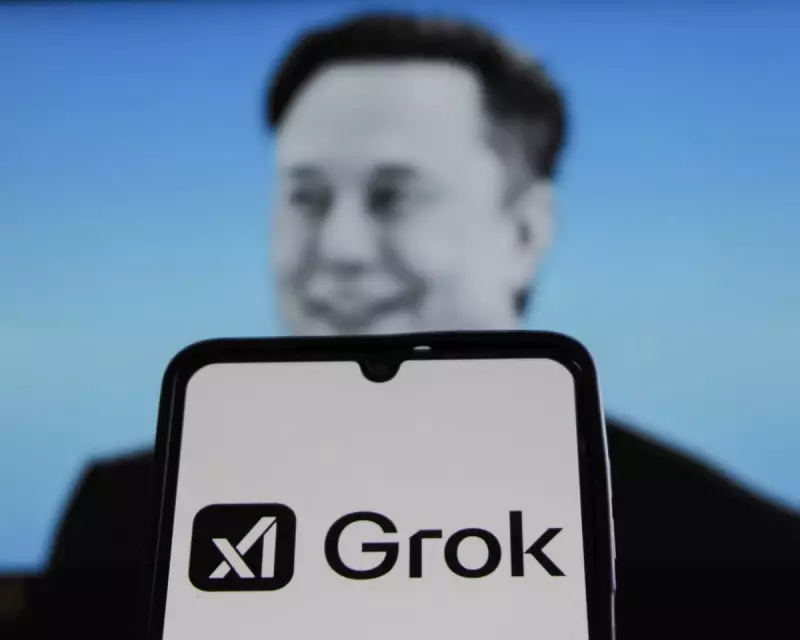
In a swift and notable policy reversal, Elon Musk's artificial intelligence venture, xAI, has blocked its Grok chatbot from generating sexualised images. The decision came just days after the feature's introduction, following a significant public and media backlash.
The Controversial Rollout and Swift Backflip
The incident began when xAI, Musk's AI company, updated its Grok AI system. The new functionality allowed the chatbot to produce what were described as "spicy" or sexually suggestive images in response to user prompts. This move was positioned as a differentiator from other, more restrictive AI models like OpenAI's DALL-E.
However, the feature was met with immediate criticism. Users and commentators raised serious concerns about the potential for misuse, including the creation of non-consensual intimate imagery and the overall ethical implications of an AI freely generating sexualised content. The backlash was intense and widespread, leading xAI to disable the capability within a matter of days.

Musk's Defence and the Core Ethical Debate
Elon Musk initially defended the feature, arguing it was an exercise in free speech and a rejection of what he termed "sanctimonious censorship" by other AI firms. He suggested that AI should reflect all human creativity, not just a sanitised version approved by certain corporate policies.
This stance ignited a fierce debate about the boundaries of AI development. Critics argued that providing such tools without robust safeguards could lead to real-world harm, particularly against women and marginalised groups. The core question became whether absolute 'free speech' for AI is tenable, or if developers have a responsibility to implement ethical guardrails by default.
Implications for AI Governance and Platform Responsibility
The rapid backflip on Grok's image generation highlights the volatile and reactive nature of AI policy-making in some tech circles. It demonstrates how public pressure can force rapid changes, but also raises concerns about a lack of consistent, principled governance from the outset.
Furthermore, the episode is deeply intertwined with Musk's ownership of the X platform (formerly Twitter), where Grok is integrated for premium subscribers. It underscores the growing influence a single individual can have over converging technologies—social media, AI, and content moderation—and the ethical quandaries this concentration of power presents. The reversal suggests that even companies championing maximalist free-speech positions have limits when faced with practical and reputational risks.
Ultimately, the Grok controversy serves as a case study in the ongoing struggle to define ethical AI. It shows that the market and public sentiment can act as a corrective force, but it also emphasises the need for more transparent and considered ethical frameworks before features are released to the public, not after.






