

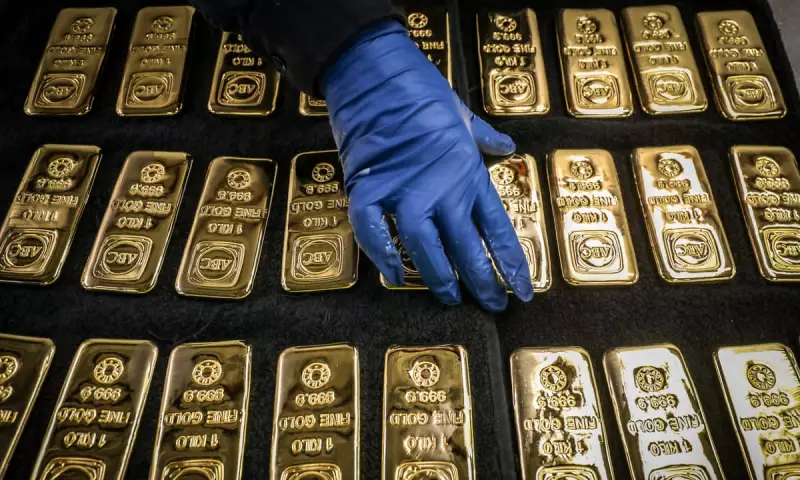
As a worker handles a gleaming 1kg gold bar at the ABC Refinery in Sydney, the image symbolises a year of remarkable gains for precious metals and a complex economic landscape ahead. The Australian share market, after delivering a 6.8% return in 2025, faces a pivotal 2026 defined by persistent inflation, geopolitical tensions, and the spectre of a technology bubble.
The Stubborn Challenge of Inflation and Interest Rates
Despite three consecutive years of gains, the S&P/ASX 200 closed 2025 at 8714.3 points, down more than 4% from its October record high. This sell-off coincided with a dramatic shift in expectations: traders are now pricing in potential interest rate hikes instead of further cuts. Two of the four major banks anticipate a rate increase at the Reserve Bank of Australia's first meeting in February 2026, a move that typically dampens stock market enthusiasm by raising business costs and curbing consumer spending.
This divergence in monetary policy outlook helps explain the growing performance gap with Wall Street, which enjoyed double-digit returns backed by a December rate cut. David Bassanese, Chief Economist at Betashares, identifies the critical question for the year: "whether inflation can moderate without the need for more monetary restraint and slower growth."

Geopolitical Risks and the AI Bubble Spectre
Analysts remain broadly optimistic for equity markets in 2026, but warn that risks are mounting. Geopolitical flashpoints, including tensions between Beijing and Taiwan and a US oil blockade of Venezuela, loom in the background. However, the more immediate concern for many investors is the potential for an artificial intelligence-fuelled market bubble to burst.
Bassanese suggests the market is in the "early-to-mid stages of a potential bubble" as demand for AI computing capacity races ahead of supply. While UBS expects AI to drive further equity gains, it cautions investors to be "mindful of bubble risks." This anxiety has also spilled into cryptocurrency markets, with assets like bitcoin sold down recently. Analyst Tony Sycamore from IG Australia forecasts a potential retest of bitcoin's 2025 lows, a worrying prospect for the nearly one in four young Australian adults who invest in crypto to supplement income.
Precious Metals Maintain Their Safe-Haven Lustre
In a world of uncertainty, traditional safe-haven assets have shone brilliantly. Gold prices have skyrocketed by approximately 70% in US dollar terms over the past year, while silver has seen an even more spectacular rise of over 150%. Analysts like CMC Markets' Luis Ruiz argue the forces driving this demand are "deeply rooted and unlikely to fade quickly," with new investors entering and existing holders seeing little reason to sell.
Australia's resource-rich economy is well-positioned to benefit from this ongoing demand for gold and silver. However, the dramatic surge in precious metal prices may itself be a warning signal of deeper economic troubles ahead, serving as a barometer for global anxiety as the world navigates a complex new year.






