

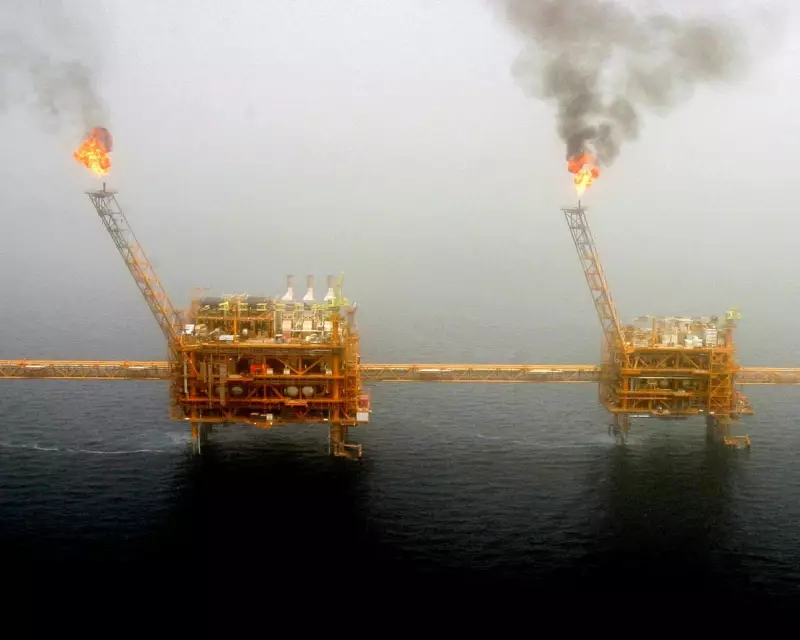
Global oil markets experienced a sharp rally on Tuesday, with prices climbing to their highest level in almost two months. The surge followed a new threat from former US President Donald Trump to impose severe tariffs on any country conducting business with Iran.
Trump's Tariff Ultimatum Sends Shockwaves
In a post on his Truth Social platform on Monday, Donald Trump issued a stark declaration. He stated that, effective immediately, any nation doing business with the Islamic Republic of Iran would face a 25% tariff on all its trade with the United States. Trump described the order as "final and conclusive," a move that analysts fear could reignite simmering global trade tensions.
The threat comes amid a severe crackdown by Iranian authorities on nationwide protests. According to latest reports, at least 648 people have been killed by Iran’s security services and more than 10,600 arrested.

Market Reaction and Geopolitical Risk Premium
The announcement had an immediate effect on energy markets. Brent crude, the international benchmark, climbed to $64.46 a barrel, marking its highest price point since 19 November. This represents a significant rebound from just a week ago, when prices fell below $60 per barrel as investors considered the prospect of increased supply from Venezuela.
Given that Iran is a major producer within the Organization of the Petroleum Exporting Countries (OPEC), any escalation that disrupts its exports or adds uncertainty triggers a market response. Analysts at Barclays have calculated that the unrest in Iran has already added a geopolitical risk premium of approximately $3 to $4 per barrel to oil prices.
Broader Economic Implications and Key Watchpoints
The tariff threat directly targets Iran's top export destinations, which include economic heavyweights like China, the United Arab Emirates, and India. Forcing these nations to choose between trade with Iran and access to the US market could have far-reaching consequences for global supply chains and diplomatic relations.
The oil price spike also arrives on a busy day for economic data. Key events include the US inflation report for December and the publication of updated World Bank economic forecasts. The World Bank is expected to downgrade its global growth forecast for this year from 2.7% to 2.4%, with a US downgrade from 2% to 1.6%.
Today's market movements underscore how geopolitical announcements can swiftly alter commodity prices, injecting fresh volatility and a risk premium that consumers may ultimately bear.






