Belfast's Television Renaissance: How Northern Ireland's Capital Became a Drama Powerhouse
From the rain-soaked romance of The Lovers to the gritty realism of Blue Lights, Belfast has emerged as an unlikely epicenter for quality television drama. What was once a city where "people would have laughed at the idea of TV jobs" has now become a bustling production hub attracting international talent and audiences alike.
A City Transformed by Television
The journey began with Lisa McGee's BAFTA-winning sitcom Derry Girls, which not only put Northern Ireland on the global cultural map but also demonstrated the region's storytelling potential to international producers. While set in Derry, significant portions were filmed in and around Belfast, planting the seeds for what would become a full-blown television renaissance.
"I love them!" exclaimed a Belfast taxi driver when discussing Derry Girls, reflecting the local pride that has developed around homegrown productions. This enthusiasm extends throughout the city's hospitality industry, with hotel owners like Melanie Harrison of the Harrison Hotel regularly hosting cast members from various productions while witnessing the transformation firsthand.

The Production Boom: From Game of Thrones to Contemporary Dramas
The turning point came with HBO's Game of Thrones, which from 2010 utilized Belfast's newly renovated Titanic Studios and nearby Linen Mill Studios to create the fantastical world of Westeros. The economic impact was substantial, injecting £251 million into the local economy while demonstrating Northern Ireland's capacity for large-scale production.
Since then, the floodgates have opened for diverse productions:
- Channel 4's Troubles-era drama Trespasses
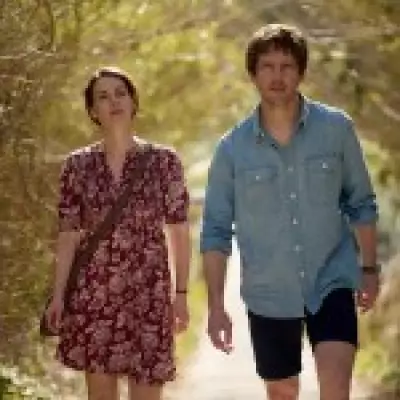
- Sky's romantic comedy The Lovers
- BBC's adaptation of Sally Rooney's Conversations with Friends
- ITV's medical thriller Malpractice
- HBO's Game of Thrones prequel A Knight of the Seven Kingdoms
The beloved police drama Blue Lights has become particularly emblematic of Belfast's television success, creating over 280 jobs and generating significant BBC investment in the region.
The Creative Community: Storytellers Finding Their Voice
At the heart of this transformation is Northern Ireland's unique storytelling tradition. Catherine Grimes, a music supervisor who worked on Blue Lights and How to Get to Heaven from Belfast, describes the experience as "a really full circle moment." Having left Northern Ireland during the Troubles, she returned to find "a reinvigorated, vibrant, exciting community which has universal stories to tell, influenced by its unique history."
The Seamus Heaney Centre has served as an incubator for this talent, with fellows including Lisa McGee, Blue Lights creators Declan Lawn and Adam Patterson, and Trespasses writer Louise Kennedy. This concentration of creative talent has created a supportive ecosystem where local voices can thrive.
Authenticity and Local Identity
What sets Belfast-produced television apart is its commitment to authentic representation. Roisin Gallagher, who stars in How to Get to Heaven from Belfast, emphasizes the importance of maintaining local specificity: "There's such an integrity in being allowed to speak as fast as Saoirse would speak. Not to streamline it for a wider audience, but just be really true to the nature of the place that you're from."
This authenticity extends to filming locations throughout Northern Ireland. The Harbourview Hotel in Carnlough, featured in How to Get to Heaven from Belfast, has embraced its screen presence with themed cocktail menus and screening parties, while Glenarm Castle estate hosted production for A Knight of the Seven Kingdoms.
Economic Impact and Screen Tourism
The television boom has brought substantial economic benefits to Northern Ireland. Beyond direct production spending, screen tourism has become a significant industry, with fans visiting locations from Game of Thrones, Derry Girls, and other popular shows. The BBC invested £112 million in Northern Ireland during 2023/34 alone, demonstrating the sector's growing importance.

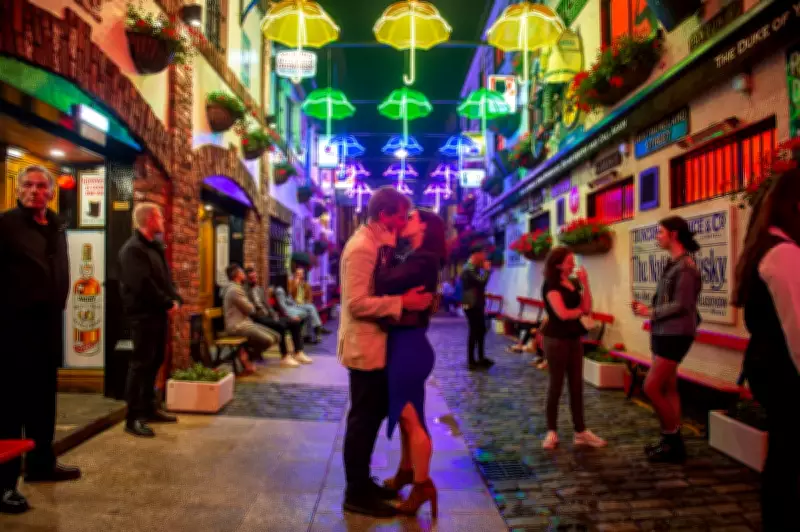
Local businesses have adapted to this new reality, with pubs like the Harp and Duke of York becoming unofficial gathering spots for cast and crew, while maintaining Belfast's characteristic down-to-earth attitude toward celebrities.
The Future of Belfast Television
With numerous projects in development, including the third season of Jimmy McGovern's BAFTA-winning Time, psychological thriller Close to Me, and the long-awaited return of Line of Duty, Belfast's television industry shows no signs of slowing down. Even Hollywood has taken notice, with Bill Murray spotted filming a golf drama in the region.
As Catherine Grimes reflects on the industry's success: "We were bereft of visitors for many years, so now we like to show the world all the good bits." From its difficult past to its vibrant present, Belfast has transformed into a television capital that celebrates its unique voice while telling stories that resonate globally.
The journey from a city where television production seemed improbable to becoming a hub for international drama represents not just an economic success story, but a cultural renaissance that continues to evolve with each new production.