Cyprus Confronts Unprecedented Water Crisis as Drought Intensifies
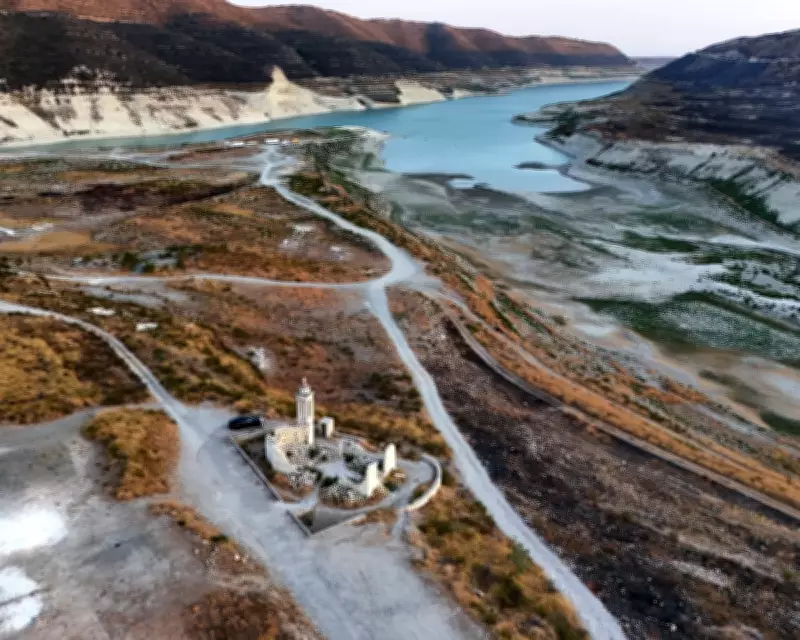
Water levels in the Kouris reservoir, located near Alassa village in the Limassol district, have plummeted to such extreme lows that the long-submerged St Nicholas church has become fully visible. This stark visual, captured in August 2025, underscores the severity of a drought described as the worst in living memory for Cyprus.
Emergency Measures and Public Appeal
Cyprus authorities have issued an urgent appeal to residents, requesting a 10% reduction in water consumption. This equates to approximately two minutes less of running water usage per day. The plea accompanies a €31 million emergency package aimed at addressing the critical shortage.
"Everyone has to reduce their consumption," emphasized Eliana Tofa Christidou, head of the country's water development department. "Whether that is in the shower, brushing their teeth or using a washing machine. Times are critical and every drop now counts."

Record Low Reservoir Levels
The Kouris reservoir, the largest among Cyprus's 110 reservoirs, is currently at just 12.2% of its capacity. Nationwide, water reserves in February stand at a mere 13.7% of total storage capacity, a dramatic drop from 26% recorded at the same time last year. Officials note that dam inflows are at their lowest since hydrological records began in 1901.
The emergence of St Nicholas church, which would normally be submerged if the reservoir were full, serves as a powerful symbol of the escalating emergency. Vast areas of land across the island have been baked dry, with prime forest regions desiccating rapidly.
Climate Crisis and Soaring Demand
Cyprus faces a perfect storm of environmental challenges. Temperatures in the region are rising 20% faster than the global average, according to the Mediterranean Growth Initiative. This accelerated warming is placing severe pressure on freshwater resources that are rapidly diminishing.
Compounding the problem is soaring water demand. Annual rainfall has decreased by an estimated 15% since 1901, while water needs have surged by 300% due to population growth and tourism. Cyprus welcomes approximately three million tourists annually to its internationally recognized south—nearly triple the resident population.
Conservation Campaign and Infrastructure Plans
A public awareness campaign will be launched this month with the goal of reducing per capita water consumption. While the European average is 120 liters per person daily, some areas of Cyprus consume up to 500 liters. The campaign aims to guide households toward a target of 140 liters per person daily.
The emergency measures include:
- Wastewater reuse initiatives
- Repairing water leakages in local networks (prevalent in up to 40% of systems)
- Financial support for households to install water-saving tap appliances
- Accelerated installation of desalination plants
Cyprus has allocated €200 million to improve water infrastructure and plans to have 14 desalination units operational, most by the end of 2026. Two portable units were donated by the United Arab Emirates last year.
Criticism and Agricultural Impact
Despite these efforts, criticism mounts over delayed action. "The right measures were not taken at the right time," stated Charalampos Theopemptou, an MP for the Movement of Ecologists and chair of the environment committee. He warned that desalination plants are costly, energy-intensive, and pose risks to marine life if not properly managed.
Farmers have been ordered to reduce irrigation by 30%, creating significant distress in agricultural communities. "Farmers are besides themselves," said unionist Lambros Achilleos. "There's a lot of angst, a lot of depression, with many being told to turn to new, less water-intensive crops."
Long-Term Climate Projections
Fadi Comair, a professor of applied hydrology at the Cyprus Institute, highlighted the urgency of immediate action. Research models indicate that in a worst-case scenario, temperatures could rise by 4.5 degrees Celsius by 2100.

"We'll have a collapse of agriculture, drought will lead to the mass transfer of populations and we won't be able to secure food," Comair warned, emphasizing that proactive measures are essential to mitigate future crises.
As Cyprus grapples with this historic drought, the visible emergence of St Nicholas church from the Kouris reservoir stands as a haunting reminder of the island's escalating water crisis and the pressing need for sustainable solutions.