On a journey along Spain's eastern coast, a London chef stumbled upon what he describes as a modern 'Garden of Eden' – a remarkable organic farm cultivating hundreds of citrus varieties rarely seen outside of specialist collections.
A Living Library of Citrus Genetics
This is the Todolí Citrus Foundation, a non-profit venture that houses the world's largest private collection of citrus, boasting more than 500 different varieties. Far from a commercial operation, the foundation's owners believe these rare fruits could hold the genetic blueprint for ensuring citrus groves can withstand the mounting pressures of climate change.
For Matthew Slotover, founder of the acclaimed London restaurant Toklas, a visit to the farm was revelatory. "I just cannot tell you what the experience was like," he said. While he sources most ingredients for his European-inspired menu from the UK, he makes an exception for citrus from Todolí, calling it "too good to miss."

From Farm to Fancy London Tables
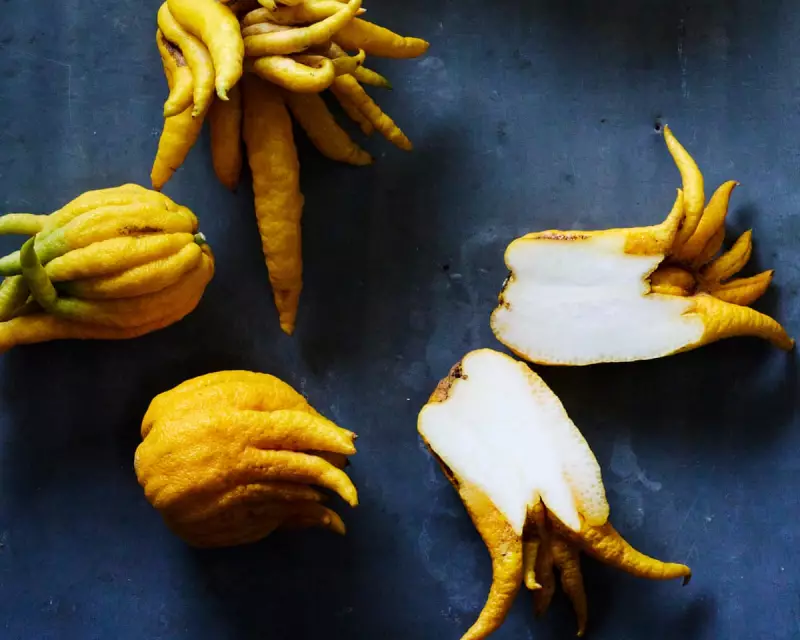
The farm's harvest extends far beyond common oranges and lemons, yielding exotic produce like kumquat, bergamot, sudachi, and the peculiar 'Buddha's hand' citron, which possesses no flesh or juice, only fragrant pith and peel. Another star is the finger lime, whose caviar-like pearls burst with a sweet-and-sour zest.
After discovering the collection, Slotover and other chefs began importing these rare fruits. Demand grew so quickly that distribution was handed over to the organic supplier Shrub, which now supplies them to chefs across London. Food writer Nigella Lawson recently praised a Toklas dinner featuring langoustine with Rangpur lime and a "heavenly" guava roll with Shikuwasa mandarin.
An Organic Haven for Nature and Science
The foundation operates in stark contrast to the intensive commercial farms that dominate the region. Spain is the world's largest exporter of fresh citrus, but at Todolí, they farm organically, shunning pesticides and working in harmony with nature.
Óscar Olivares-Fuster, the foundation's technical director, explained their methods. They utilise ancient Arab irrigation practices with ditches and ponds, which conserve water beautifully instead of relying on water-intensive artificial systems. This approach has turned the groves into a sanctuary for goldfinches, bees, and frogs – species often wiped out by herbicides elsewhere.
"We have a bank of genes here, with hundreds of varieties of citrus. This is something unique to study," Olivares-Fuster stated. He believes investigating these genetics will be crucial for the future. "Eventually, citrus will be grown north of the Pyrenees and we might struggle in the south," he added, highlighting the northward shift of viable growing zones.
Climate-Resistant Traits
One variety of particular interest is the trifoliate orange, a small, sharp fruit. Unlike most citrus, it sheds its leaves in winter, making it highly resistant to cold. Scientists could potentially harness this trait to develop new, hardier varieties for cooler climates.
The collection also includes 40 Japanese citrus types, the Valentine pomelo from California, and sought-after chef's ingredients like the Filipino calamansi and fragrant Borneo lumia.
Originally, the farm had little commercial ambition, often giving fruit away to friends. Now, the partnership with chefs provides valuable support. The Todolí Citrus Foundation stands not just as a culinary treasure trove, but as a vital genetic ark, offering hope for the future of citrus cultivation in a warming world.