London Zoo's 'Demon Pig' Undergoes Specialized Dental Procedure
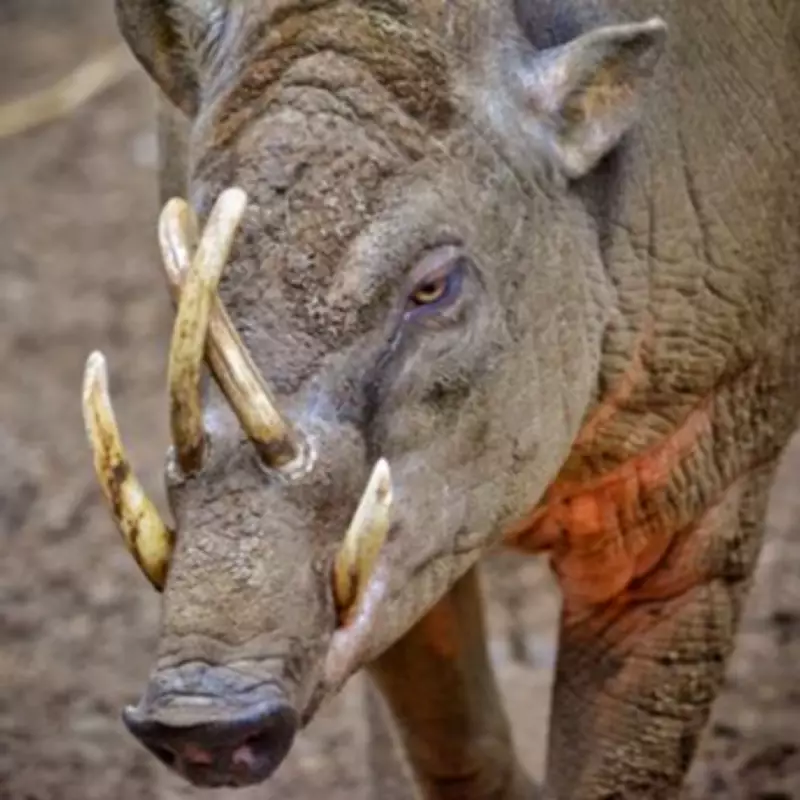
One of the planet's most unusual-looking animals has received expert dental care at London Zoo. Ubi, a male babirusa pig often dubbed the 'world's ugliest pig' due to his distinctive appearance, has successfully undergone a dental procedure involving two fillings after developing a painful infection in his tusks.
Zoo keepers first noticed that Ubi appeared to be experiencing significant discomfort, prompting immediate veterinary attention. The babirusa, native to Indonesia, possesses remarkable tusks that are actually elongated canine teeth growing through the skin of its snout and curling backward.
Diagnosis and Treatment of Tusk Infection
Following a comprehensive veterinary examination, Ubi was sedated for a detailed CT scan that revealed two of his tusks had developed a minor but painful infection. London Zoo veterinarian Stefan Saverimuttu explained the situation clearly.

"Babirusas' tusks are actually canine teeth which can reach up to 40cm in length and grow through their skin," Saverimuttu stated. "Following Ubi's CT scan, we were able to see that two of Ubi's tusks had a minor infection. These tusks had to be treated so they didn't end up causing any discomfort."
A specialized veterinary dental expert was brought in to perform the delicate procedure. Using the CT scan as a precise guide, the infected portions of Ubi's tusks were carefully trimmed back before being sealed with durable resin material - essentially providing the pig with dental fillings similar to those humans receive.
Remarkable Recovery and Conservation Status
The zoo reported that Ubi proved to be an exemplary patient throughout the entire process. "Ubi was a star patient – he's made a brilliant recovery, and we're confident that his tusks shouldn't cause him any further issues," Saverimuttu confirmed with evident satisfaction.
Soon after the procedure, the affectionate pig returned to his normal, gentle demeanor. "The sweet-tempered pig was soon back to his soppy self," zoo officials happily reported.
Beyond the individual animal's care, this story highlights the conservation importance of babirusa pigs. These unique creatures are classified as endangered species, with only approximately 10,000 individuals remaining in their natural habitats in Indonesia.
Fascinating Biological Characteristics
Babirusas represent one of the most ancient members of the pig family, with scientists considering them among the oldest surviving pig species. Their distinctive tusks present several biological mysteries:
- The tusks continue growing throughout the animal's entire lifetime
- If not naturally worn down or broken, they can potentially grow through the skull
- Scientists theorize the tusks may serve as display features during mating rituals
- Despite their formidable appearance, the tusks are surprisingly fragile
Often called "demon pigs" in their native Indonesia due to their hairless bodies and criss-crossing tusks that grow through facial skin, babirusas have evolved this unique dental arrangement that requires specialized veterinary attention when problems arise.
London Zoo's proactive care for Ubi demonstrates modern zoological institutions' commitment to providing comprehensive medical treatment for all animals in their care, regardless of conventional standards of beauty. The successful procedure ensures this particular babirusa can continue living comfortably while contributing to conservation education about this remarkable endangered species.