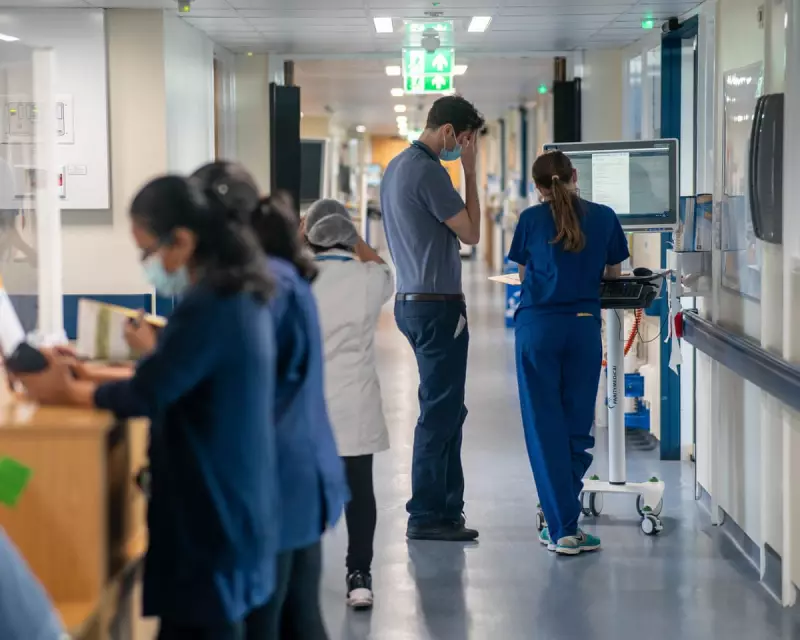
Senior doctors are issuing a stark warning that thousands of stroke patients across the UK are dying or being left severely disabled due to a chronic shortage of specialists within the National Health Service.
A System in Crisis: The Human Cost of Staff Shortages
Medical experts state that a dire lack of stroke consultants means patients are not receiving time-critical interventions, such as clot-busting drugs and surgery, quickly enough. Professor David Werring, past president of the British and Irish Association of Stroke Physicians (BIASP), told the Guardian that people are "either dying or living with disability unnecessarily" because they miss out on prompt, expert care.
With approximately 100,000 people suffering a stroke in the UK annually, the consequences are vast. Dr Sanjeev Nayak, a consultant interventional radiologist at Royal Stoke hospital, estimates that between 10,000 and 20,000 patients each year face death or serious disability because of treatment delays directly linked to workforce gaps.

"It is heartbreaking to see the real and avoidable impact that workforce shortages have on patient outcomes," Dr Nayak said. He emphasised that these shortages are a major, repeatedly identified factor in systemic delays.
Audit Reveals Worsening Workforce Gaps
New research from BIASP paints a grim picture of a deteriorating situation. Their survey of the 100 hospitals in England providing acute stroke care found:
- 70% of stroke units are short of at least one consultant, with many missing two.
- Hospitals reported 96 vacant consultant posts across 53 responding trusts.
- The NHS is heavily reliant on locum doctors to fill persistent gaps.
- 10% of the 423 permanent stroke consultants are due to retire within five years, threatening to exacerbate the crisis.
Professor Werring stated these results show "a significant worsening in the workforce position in the NHS in England." The shortage is particularly acute in smaller hospitals and those in rural, coastal, and deprived areas, where 24/7 consultant cover is often unavailable.
"All patients admitted to a hospital with an acute stroke should have access to an immediate stroke consultant opinion... And at the moment that’s not available," said Dr Louise Shaw, the current president of BIASP, describing the situation as "very unacceptable."
Missed Windows and Broken Pledges
The delays have a devastating impact on two key treatments: thrombolysis (using drugs to dissolve clots) and mechanical thrombectomy (surgery to remove a clot). Both are extremely time-sensitive.
"Delays in specialist assessment or transfer to a thrombectomy centre can mean the difference between independent recovery and devastating, lifelong disability – or not surviving at all," Dr Nayak explained.
National audit data underscores the problem. The most recent Sentinel Stroke report found it took an average of four hours and 11 minutes to get a stroke patient to hospital in 2024-25—over 90 minutes longer than a decade ago. Furthermore, only 46.5% of patients were admitted to a specialist stroke unit within the crucial four-hour window after arrival.
This crisis threatens the Labour government's pledge to cut deaths from heart disease and stroke by 25% by 2035. With the Stroke Association predicting annual UK stroke cases will rise to 151,000 by 2035, addressing the specialist shortfall is more urgent than ever.
The Department of Health and Social Care (DHSC) did not directly address BIASP's findings. A spokesperson highlighted that the NHS now has 7,000 more doctors than last year and pointed to an upcoming workforce plan. They reiterated a commitment to improving stroke care through new national standards for cardiovascular disease.