As another new year dawns, many of us embark on familiar health kicks—from rigorous exercise regimes to restrictive diets—often with more duty than delight. But what if the secret to a happier, healthier 2026 lies not in the gym or the salad bowl, but in the concert hall, the art studio, or the dance floor? A growing body of scientific research is making a compelling case: engaging with the arts is a powerful, and enjoyable, form of medicine.
The Scientific Case for Creativity
The link between art and wellbeing is ancient, woven into human history from Paleolithic cave paintings to communal song. However, it is only in the last twenty years that robust scientific evidence has begun to quantify these benefits. Over a hundred randomised trials now demonstrate that regular creative activities—such as singing, dancing, reading, and crafts—can significantly reduce symptoms of anxiety, depression, and stress across all age groups.
Remarkably, integrating arts therapies like music therapy with standard treatments such as antidepressants can nearly double improvements in depressive symptoms. The arts also serve as a potent preventative measure. Studies show that people who regularly attend cultural events—theatre, live music, museums—have nearly half the risk of developing depression, an effect independent of wealth, lifestyle, or genetics.

How Art Rewires Brain and Body
Neuroscience reveals that creative engagement activates the brain's pleasure and reward networks, releasing mood-boosting hormones like dopamine. It also fulfils core psychological needs for autonomy and mastery, building mental resilience. For the brain, the arts are a comprehensive workout, strengthening connectivity between regions and even increasing grey matter volume. Amateur musicians and artists show brain connectivity patterns that appear 'younger', indicating a buffer against cognitive decline.
This builds 'cognitive reserve'—the brain's resilience against conditions like dementia. Those engaged in cultural activities show slower cognitive decline and, if diagnosed, are typically older than their non-engaged peers. The physical benefits are equally impressive. Singing strengthens respiratory muscles akin to a brisk walk, while dance can lower blood pressure and glucose levels more effectively than similar non-creative exercise. Arts engagement boosts immune function, reduces inflammation, and may even influence gene expression to slow ageing.
Five Evidence-Based Steps to a More Creative 2026
If you're among the 95% of adults who spent zero minutes actively engaged in the arts yesterday, here are five research-backed ways to start.
1. Find Your Creative Pick-Me-Up: Swap your morning alarm for an uplifting song and actually listen to it. Replace commute doomscrolling with a novel. The key is to find your personal sweet spot between familiarity and complexity to maximise the dopamine-rich anticipation and resolution that stories and songs provide.
2. Choose a New Creative Hobby: Dedicating just 30-60 minutes weekly can improve wellbeing within about six weeks. Choose based on unmet psychological needs. Feeling out of control? Try free drawing or creative writing. Craving mastery? Learn crochet or the ukulele via online tutorials or a community class.
3. Visit an Exhibition Properly: Seek out art that inspires awe, but commit to looking deeply. The average viewing time is a mere 28 seconds, but meaningful engagement requires minutes. Spend quality time with a few pieces rather than skimming many.
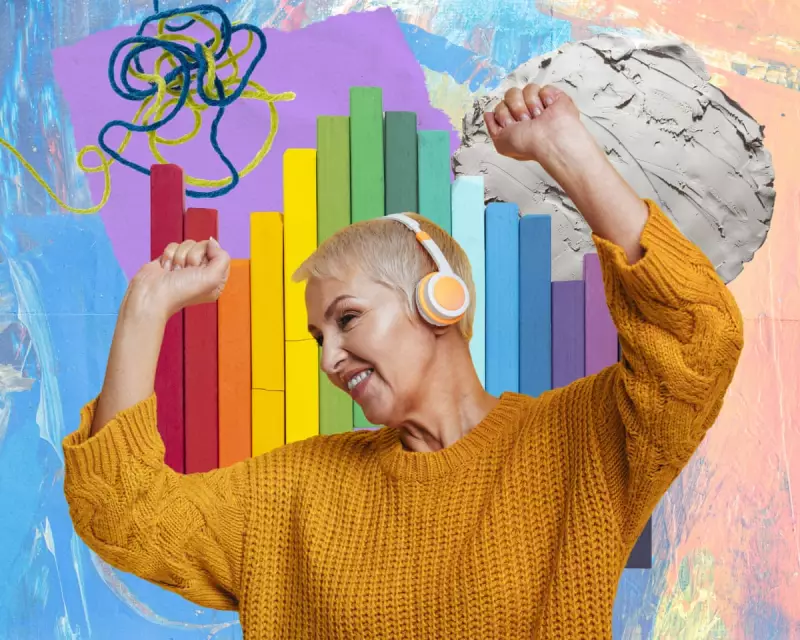
4. Use Rhythm to Supercharge Exercise: Music is a legal performance-enhancer. Our movements sync to the beat, allowing us to exercise longer and harder while music dampens feelings of fatigue. For workouts, aim for music with a tempo of 125-140 beats per minute.
5. Indulge in Make-Believe: Don't dismiss play as childish. Engaging in imaginative worlds—through murder mystery nights, cosplay, or festivals—builds mental flexibility to handle life's unpredictability.

While not a panacea, the arts offer a profound catalogue of health benefits often overlooked in favour of more traditional, and sometimes less joyful, pursuits. As we look to 2026, making creativity a cornerstone of our wellbeing strategy might just be the most rewarding resolution we can make.