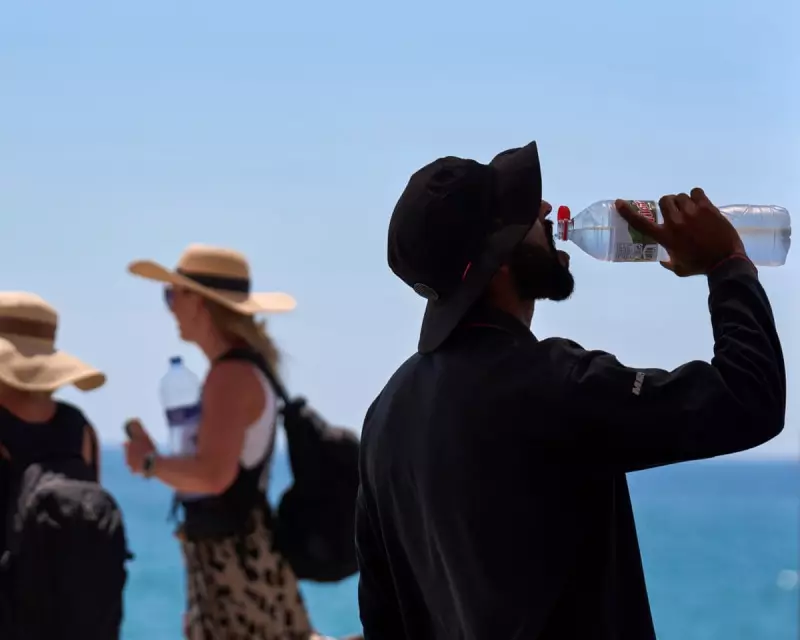
Australia's southern states are currently enduring their most significant heatwave since the devastating Black Summer of 2019-20. With temperatures soaring past 40°C in cities like Melbourne and Adelaide, public health authorities are issuing urgent warnings about the severe risks posed by what they term a 'silent killer'.
The Hidden Dangers of Extreme Heat
Experts caution that the actual heat experienced by individuals can be far more intense than official forecasts suggest. This is because the Bureau of Meteorology measures air temperature in the shade. Dr Kim Loo, the NSW and ACT deputy chair of the Royal Australian College of General Practitioners (RACGP), explains that radiant heat from surfaces can make it feel up to 10°C hotter.
Unlike bushfires or floods, heatwaves often leave no large-scale visible damage, yet they represent the most common cause of weather-related hospitalisations and deaths across the country. Between 2016 and 2019 alone, heatwaves were responsible for 1,009 deaths in Australia.

Recognising the Symptoms of Heat-Related Illness
Extreme heat impacts the body on a spectrum, beginning with heat stress and potentially progressing to the life-threatening medical emergency of heatstroke.
Initial signs of heat stress include feelings of weakness, tiredness, muscle cramps, and dizziness. Dr Loo advises that anyone experiencing these symptoms should immediately get out of the sun and begin drinking water.
If unchecked, this can develop into heat exhaustion. Symptoms here involve a body temperature above 38°C, accompanied by nausea, vomiting, headaches, and fainting. Reduced sweating due to fluid loss is also common. Behavioural changes, such as increased irritability or aggression, can be a key warning sign.
The most severe stage is heatstroke, a diagnosable emergency. Sufferers may have a core body temperature exceeding 40.5°C and display confusion, reduced alertness, and have red, hot, dry skin that has stopped sweating. Dr Michael Wright, President of the RACGP, notes that the risk of hospitalisation from heatwaves increases significantly with age.
How to Protect Yourself During a Heatwave
Authorities have outlined clear steps to minimise health risks during periods of extreme heat. The cornerstone of prevention is staying well hydrated. The advice is to drink between six to eight glasses of water daily, while avoiding alcoholic, hot, or sugary drinks. A useful guide is ensuring your urine is a 'clear to light straw colour'.
Vulnerable groups, including older people, babies, those with chronic illnesses, and pregnant or breastfeeding women, need to take extra care. It is crucial to check in on friends and family members who may be at higher risk.
Practical measures include:
- Staying indoors during peak UV hours (11 am to 3 pm) where possible.
- Avoiding or reducing strenuous physical activity.
- Carrying water if you must go outside.
- Keeping your home cool by closing windows and blinds early in the morning to trap cooler air.
Dr Aaron Bach, an environmental physiologist at Griffith University, advises that once indoor temperatures exceed 37°C, fans become less effective, and it is better to seek out air-conditioned spaces like libraries or shopping centres. He also notes that wetting the skin with a cloth or spray bottle can aid cooling, as evaporation is key to the body losing heat.
Why Prolonged Heat is So Dangerous
The body copes with heat by increasing blood flow to the skin and sweating. This process causes a drop in central blood pressure, forcing the heart to work harder to pump oxygen and nutrients to vital organs. While manageable briefly, a heatwave—defined as at least three consecutive days of unusually high temperatures—places prolonged stress on the cardiovascular system and kidneys.
Cardiovascular collapse is a leading cause of heat-related death in Australia, particularly for those over 65 or with pre-existing heart conditions. Kidney failure can also occur due to severe dehydration, as the body can lose one to two litres of water per hour through sweating in extreme conditions.

The overarching message from health professionals is clear: extreme heat is a formidable and often underestimated threat. By recognising the early warning signs, prioritising hydration, and taking proactive steps to stay cool, the public can significantly reduce the risks posed by Australia's 'silent killer'.