In March 2024, a chilling scene unfolded on dairy farms in the Texas panhandle. Barn cats, employed for rodent control, began to walk in obsessive circles. They became listless, suffered seizures and paralysis, and died within days. Their bodies showed no obvious signs of injury or disease.
From Cats to Cows: The Unravelling of a Mystery
Dr Barb Petersen, a veterinarian in Amarillo, was already investigating a mysterious illness in local dairy cattle. Cows were running fevers, producing thick, yellow milk, and their yields were plummeting. Tests for known cattle diseases came back negative. Suspecting a link, Petersen sent the bodies of two dead cats to a diagnostic lab at Iowa State University.
Her hunch proved correct. The cats' brains revealed they had been infected with highly pathogenic avian influenza A (H5N1). The source was raw milk from the sick cows, which were also infected. This was a landmark discovery. While H5N1 had devastated US poultry farms since 2022, killing nearly 100% of infected birds and leading to the culling of over 150 million chickens, it was unknown that cows could harbour the virus and that it could propagate in their udders.

A commonsense public health response would have involved mandatory testing, quarantines, and widespread screening of dairy workers. None of those things happened. The US Department of Agriculture (USDA), Food and Drug Administration (FDA), and Centers for Disease Control and Prevention (CDC) found their authority limited or opposed. Texas Agriculture Commissioner Sid Miller, a right-wing figure, dismissed the threat, and the powerful dairy industry, responsible for $50bn in Texas, resisted testing.
The Industrial System: A Vector for Disease
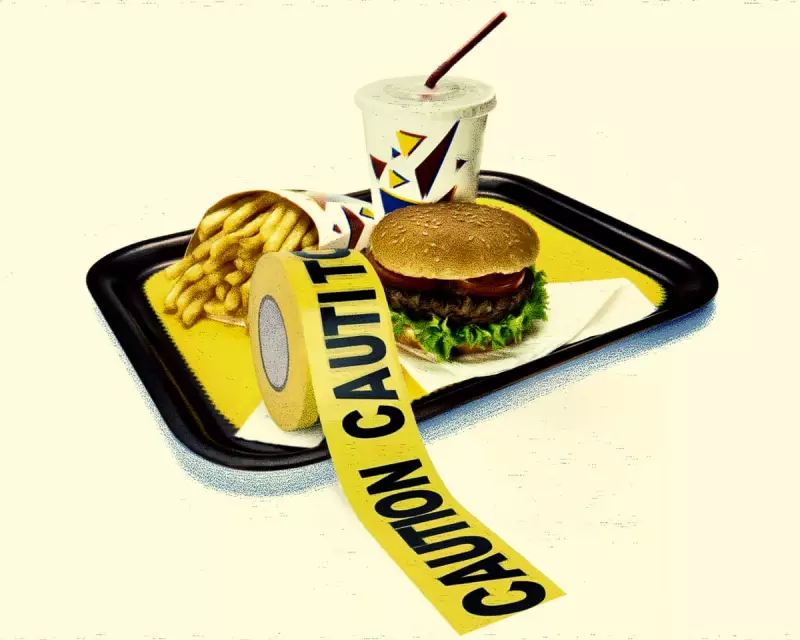
This outbreak underscores warnings made a quarter-century ago in Eric Schlosser's seminal work, Fast Food Nation. The book argued that the industrialisation of livestock, turning sentient creatures into commodities, alongside weak government oversight, creates new pathways for dangerous pathogens.
American mega-dairies, which can house up to 100,000 cows, became ideal incubators. The virus spread through shared milking equipment, the interstate shipment of cattle, and a lack of effective quarantine. The UK dairy sector has followed a similar path of consolidation. In 1980, Britain had 46,000 dairy farms; today, there are just over 7,000. Just four companies now process about 75% of the UK's milk.
The first known human case in the US was a Texas dairy worker who developed pink eye (conjunctivitis) caused by H5N1. He recovered, but few workers were tested, partly due to industry opposition and workers' fears of deportation. A larger cluster emerged in July 2024 among poultry workers in Weld County, Colorado, who were culling infected birds. Five workers fell ill, marking the largest human bird flu outbreak in American history.
Like E. coli O157:H7 from cattle feedlots and MRSA from hog farms, H5N1 is the latest zoonotic cost of factory farming. While pasteurisation kills the virus in milk, its endemic presence in wild birds, poultry, and now US dairy cattle allows for continual genetic mixing, raising the risk of a dangerous mutation. The threat is global: in December 2024, H5N1 was confirmed at a large UK poultry farm in Lincolnshire, the second outbreak in a week.
Consolidation, Crisis, and the Illusion of Choice
The power of a handful of corporations extends far beyond dairy. Today, four companies control more than 80% of the US beef supply, 70% of pork, and 60% of chicken. In the UK, a single company, Danone, controls roughly 71% of the infant formula market. This concentration creates systemic fragility, as seen in the 2022 US infant formula crisis. Contamination at one Abbott Nutrition plant, which produced a fifth of the nation's supply, led to nationwide shortages after a recall.
A similar hidden network was revealed during a 2024 E. coli outbreak in the UK linked to pre-packaged sandwiches. Hundreds were sickened and two died. Many of the recalled sandwiches were made by one firm, Greencore, which produces about 600 million sandwiches annually for major supermarkets under various brand names, masking the industrial scale behind familiar packaging.

The harms of this system have worsened. Over half of the American diet is now ultra-processed food, linked to 32 health problems including heart disease and diabetes. Yet, a surprising shift in public opinion is occurring. A 2025 Trump administration report, the MAHA Report, criticised ultra-processed foods and corporate consolidation, reflecting overwhelming public support for food safety and labelling.
Analysing the system through true-cost accounting reveals its staggering hidden price tag. A Rockefeller Foundation study estimated that while Americans spent $1.1tn on food in 2019, the true cost—including healthcare, environmental damage, and low wages—was closer to $3.3tn.
Change is difficult but possible. As the environmental movement showed, making polluters pay cleans the air and water. Applying true costs to food would reward safety and sustainability. The struggle, as Schlosser notes, is no longer just against excessive state power, but against excessive corporate power. The story of H5N1 in Texas is not an isolated incident; it is a symptom of a global food system whose vulnerabilities are growing alongside its profits.