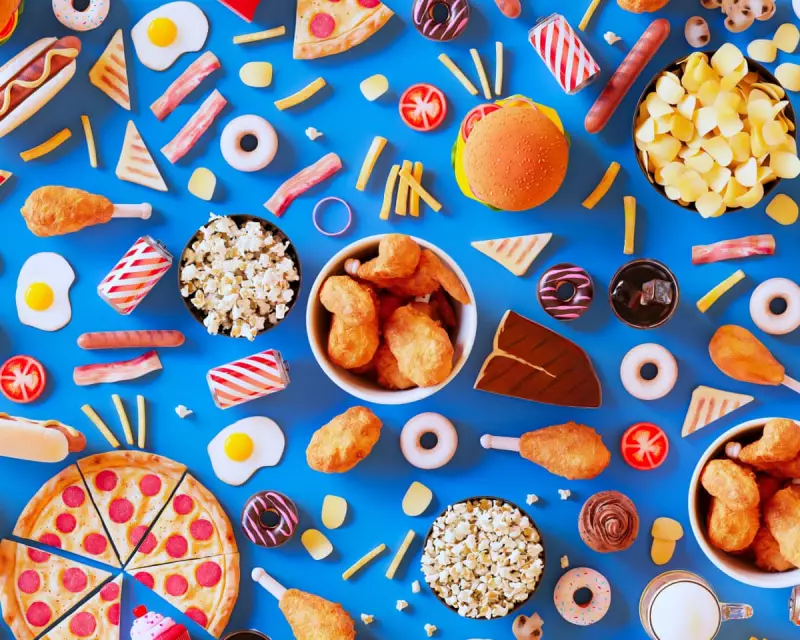
New regulations came into force across the United Kingdom this week, dramatically altering the advertising landscape for so-called 'less healthy' food and drink. The rules, which restrict television advertising for High Fat, Salt, and Sugar (HFSS) products before the 9pm watershed and ban paid-for online promotions entirely, mark a significant public health intervention aimed at tackling the nation's obesity epidemic.
A Public Health Imperative
William Roberts, chief executive of the Royal Society for Public Health, argues the move is essential to make healthy choices easier. "We want people to be healthier and happier, and to do that you have to make being healthy as easy as possible," he stated. "At the moment it's really easy not to be healthy – and this kind of ban helps create the conditions where people can make healthier choices more easily."
The urgency is underscored by stark statistics. Roberts points out that approximately 27% of children in the UK are now either overweight or living with obesity, giving the nation the third-highest obesity rate in Europe. He dismisses the notion of personal blame, highlighting that access to healthy options is heavily influenced by socioeconomic factors. "Depending on who you are, how much money you have and what options are available to you, you have very different opportunities to make healthy choices," he explained.

What Does the Ban Actually Cover?
The scope of the new rules is extensive. The restrictions apply to a wide range of products assessed under the government's nutrient profiling model. This system scores foods on 'A' nutrients (energy, saturated fat, total sugar, sodium) and 'C' nutrients (fruit, vegetable, and nut content, fibre, protein).
Common items falling under the ban include many breakfast cereals, cakes, pastries, sugary juice drinks, ice cream, crisps, and chocolate confectionery. The online component is particularly crucial, as Roberts describes the digital space as "a bit of a wild west compared with television or print." The aim is to significantly reduce children's exposure to persuasive marketing for these products both on-screen and online.
Evidence from London's Transport Network
Proponents of the policy point to promising evidence from a similar initiative. In 2019, Mayor of London Sadiq Khan introduced a ban on junk food advertising across the Transport for London (TfL) network. A study conducted 10 months later found measurable reductions in the average daily consumption of fat, saturated fat, and sugar among Londoners.
"We know people do respond really well to these kinds of interventions," Roberts asserted. "In London we saw a significant reduction in calorie intake – this isn't a marginal effect." He also notes that such measures enjoy broad cross-party and public support, drawing parallels with now-accepted regulations on seatbelts and smoking.
Industry Reaction and the Road Ahead
The response from the food and advertising industries has been mixed. While some companies have begun reformulating products to make them healthier, Roberts acknowledges inherent tensions. "Obviously the industry is going to have issues with something that reduces the number of people purchasing it," he said. However, he stresses collaboration is key: "Food is different from something like tobacco – we need food to live. So you have to take industry with you, but also encourage them to do the right thing."
Looking forward, Roberts views the advertising ban as a strong starting point, but not a standalone solution. It should be seen alongside other measures like the soft drinks industry levy and restrictions on selling energy drinks to children. "You start somewhere, and then you can move along that spectrum if you start to see the benefits happening, and you build from there," he concluded. The ultimate challenge remains supporting children to live healthier lives while compelling the food industry to be part of that positive change.