

In a stark assertion of American influence, US President Donald Trump has declared that his Ukrainian counterpart, Volodymyr Zelenskyy, is entirely dependent on his approval for support. The comments come just ahead of a critical meeting between the two leaders this Sunday, where they are expected to discuss a proposed 20-point plan to end the nearly four-year-long war with Russia.
A Pivotal Meeting and a Peace Plan
Speaking to Politico, President Trump left little room for ambiguity regarding the dynamics of the US-Ukraine relationship. "He doesn't have anything until I approve it, so we'll see what he's got," Trump stated. The scheduled meeting represents the latest step in an extensive, US-led diplomatic initiative aimed at closing the protracted conflict, though efforts continue to be hampered by the sharply conflicting demands of Moscow and Kyiv.
President Zelenskyy has indicated that the peace blueprint is "about 90% ready". In a significant concession, he told Axios that he is open to putting the final plan to a national referendum, provided Russia agrees to a 60-day ceasefire to allow Ukraine to prepare and hold the vote. However, he expressed doubt that European leaders could be involved in the imminent talks at such short notice.

Military Strikes and Strategic Deployments
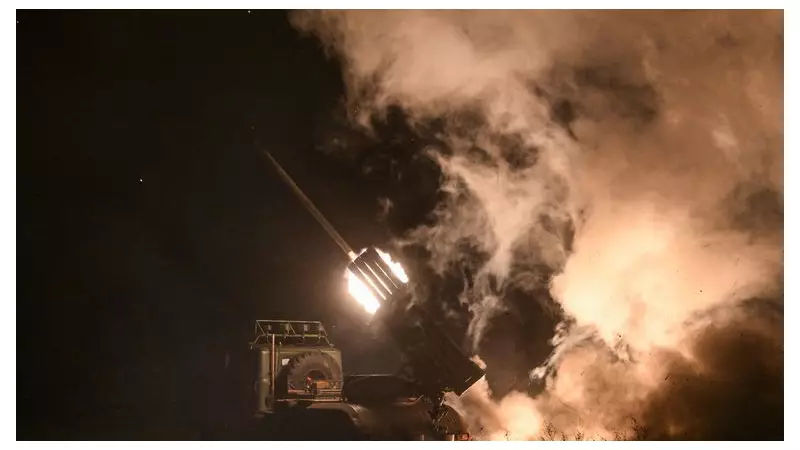
As diplomacy inches forward, military actions on both sides have intensified. Ukraine confirmed it used UK-supplied Storm Shadow cruise missiles to strike the Novoshakhtinsk oil refinery in Russia's Rostov region. A firefighter was wounded while tackling the resulting blaze. These long-range strikes on Russian energy infrastructure are a core part of Kyiv's strategy to cripple the oil export revenue funding Moscow's war machine.
In response, Russia claimed its forces had downed seven Storm Shadow missiles over the past week. Meanwhile, Russian overnight drone strikes damaged several civilian vessels in Ukrainian Black Sea ports, part of what officials describe as an escalating campaign to isolate Ukraine from the sea and sow chaos.
On the ground, Reuters reported that Russian troops have taken control of the settlement of Kosivstseve in the Zaporizhzhia region, illustrating the continued, grinding nature of the frontline conflict.
Nuclear Tensions and Diplomatic Coordination
Adding a grave new dimension to regional security, researchers from the Middlebury Institute and CNA analysis organisation have identified a likely site for Russia's new nuclear-capable hypersonic missiles. Based on satellite imagery from Planet Labs, they believe the Oreshnik missiles are being stationed at a former airbase in eastern Belarus.
While Vladimir Putin had been open about the intention to deploy the weapons in Belarus, the precise location was previously unknown. John Foreman, a former British defence attache, stated the deployment aims to "extend its range further into Europe". Belarusian defence minister Viktor Khrenin framed the move as a defensive "response" to Western aggression.
Amid these complex developments, international coordination continues. A Downing Street spokesperson confirmed that Prime Minister Sir Keir Starmer spoke with the leaders of France and Germany on Friday, with all pledging to "continue coordinating" efforts to secure a lasting peace for Ukraine.






