In a powerful display of dissent, around 200,000 people gathered in Munich, Germany, on Saturday, February 14, 2026, to protest against the Iranian regime. The massive demonstration occurred simultaneously as world leaders convened nearby for the high-profile Munich Security Conference, creating a stark contrast between diplomatic discussions and grassroots activism.
Exiled Leader's Call to Action
The protests were directly inspired by a public appeal from Iran's exiled Crown Prince Reza Pahlavi, who urged for intensified international pressure on Tehran. The 65-year-old royal, whose family was overthrown during the 1979 Islamic Revolution, has been actively encouraging protesters to take to the streets, transforming what began as economic grievances into a significant challenge to Iran's theocratic government.
Global Day of Action
Mr. Pahlavi described the Munich gathering as part of a "global day of action" intended to show solidarity with Iranians following deadly nationwide protests. The demonstration featured a boisterous atmosphere with participants banging drums and chanting "Change, change, regime change" in unison, creating a palpable sense of urgency and determination among the crowd.

Symbolic Displays and Political Messaging
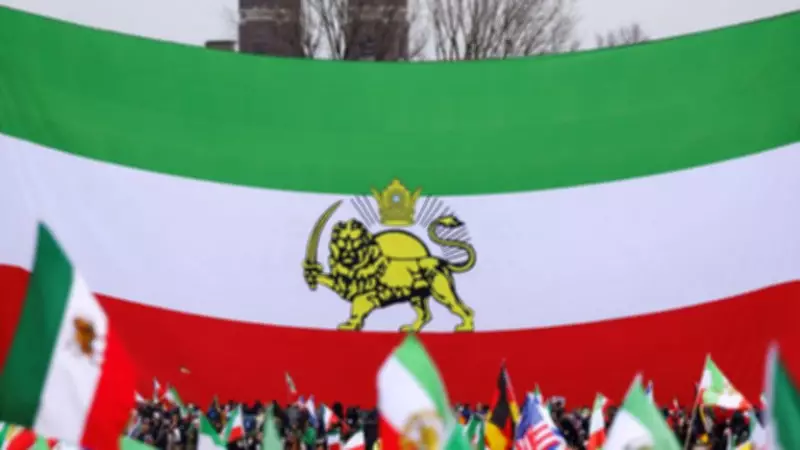
Many protesters waved the green, white, and red "Lion and Sun" flag, Iran's national symbol before the 1979 revolution that toppled the Pahlavi dynasty. Others carried placards featuring images of Mr. Pahlavi, with some explicitly referring to him as a king, highlighting the monarchist sentiments present among certain segments of the opposition movement.
International Reactions and Warnings
During a news conference in Munich, Mr. Pahlavi issued a stark warning about the potential for more casualties in Iran if democratic nations remain passive observers. "We gather at an hour of profound peril to ask: Will the world stand with the people of Iran?" he questioned, emphasizing that the Iranian government's continued survival "sends a clear signal to every bully: kill enough people and you stay in power."
Meanwhile, US President Donald Trump commented on the situation, stating that regime change in Iran "would be the best thing that could happen." His remarks came as American military elements continued to gather in the region, adding another layer of geopolitical tension to the already volatile situation.
Broader Context and Implications
The Munich protests represent a significant escalation in international opposition to the Iranian regime, occurring at a time when world leaders were discussing global security matters just blocks away. The sheer scale of the demonstration—estimated at 200,000 participants—underscores the growing momentum behind calls for political change in Iran and highlights how domestic Iranian issues are increasingly resonating on the international stage.
As the protests continue to draw global attention, they raise important questions about how democratic nations should respond to internal conflicts within sovereign states and what role exiled figures like Reza Pahlavi might play in shaping Iran's political future.