

Thailand and Cambodia have reached a critical agreement for an immediate ceasefire, putting a halt to weeks of intense and deadly fighting along their shared border. The breakthrough, announced on Friday, 27th December 2025, follows a series of clashes that resulted in significant casualties and displaced thousands of civilians from their homes.
A Fragile Peace After Weeks of Conflict
The agreement was finalised after urgent talks mediated by the Association of Southeast Asian Nations (ASEAN). Both nations have committed to halting all military actions in the contested border region immediately. This decision comes after artillery duels and troop engagements centred around the ancient Preah Vihear temple, a UNESCO World Heritage site that has been a longstanding point of contention between the two neighbours.
Official statements from the Thai and Cambodian governments confirmed the ceasefire. The Thai prime minister's office stated the deal was reached "in the interest of preventing further loss of life," while Cambodia's foreign ministry expressed hope it would "pave the way for lasting resolution." The clashes, which began in late November, had seen the use of heavy weaponry, including artillery, causing dozens of military and civilian casualties.

ASEAN's Crucial Role in Brokering the Deal
The diplomatic push was led by Indonesia, which currently chairs ASEAN. Indonesian officials shuttled between capitals, presenting a framework that both sides could accept. The core of the agreement involves a verified cessation of hostilities and the establishment of a joint monitoring mechanism, with ASEAN observers potentially playing a role in ensuring compliance.
This is not the first time the two nations have clashed over the Preah Vihear temple complex. A major dispute in 2011 also required international intervention. The current agreement aims to avoid a repeat of that prolonged crisis, which saw the International Court of Justice reaffirm Cambodia's sovereignty over the temple while clarifying Thailand's obligations regarding the surrounding territory.
Humanitarian Crisis and the Path Forward
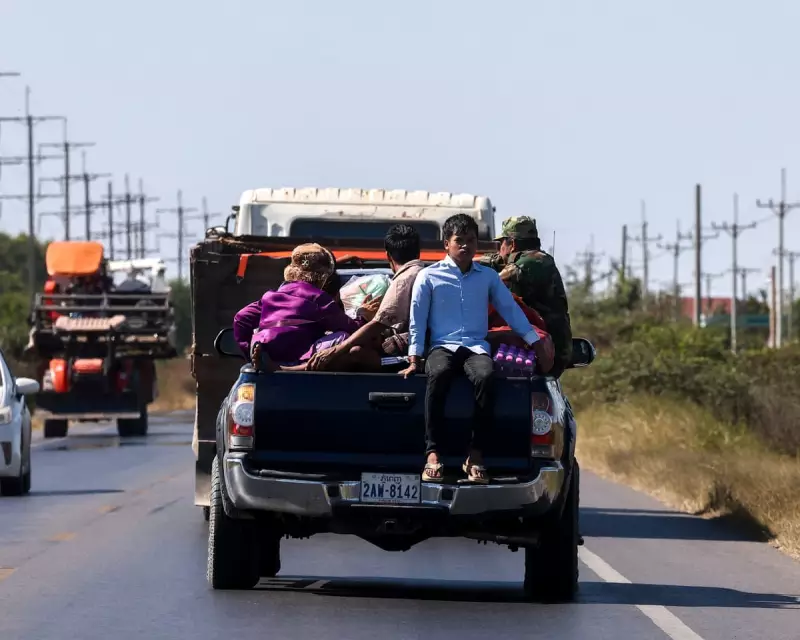
The immediate priority following the ceasefire is addressing the severe humanitarian situation. Aid agencies report that over 5,000 people have been forced to flee the fighting, seeking refuge in makeshift camps on both sides of the border. These individuals now face shortages of food, clean water, and medical supplies. The cessation of violence will allow for the safe delivery of critical aid and for many displaced families to begin returning to their villages, though the risk of unexploded ordnance remains high.
While the ceasefire is a vital first step, analysts caution that the underlying territorial disputes are far from resolved. The agreement explicitly calls for a resumption of bilateral talks at the foreign minister level, with the goal of finding a permanent and peaceful solution to the border demarcation issues. The international community, including the United Nations, has welcomed the truce but emphasised that sustained political will from both Bangkok and Phnom Penh is essential for lasting peace.
The coming days and weeks will be a critical test. Both militaries have been ordered to stand down, but trust remains low. The success of the joint monitoring efforts and the willingness of both governments to engage in good-faith negotiations will determine whether this ceasefire marks the end of a violent chapter or merely a pause in a long-running and volatile border dispute.






