

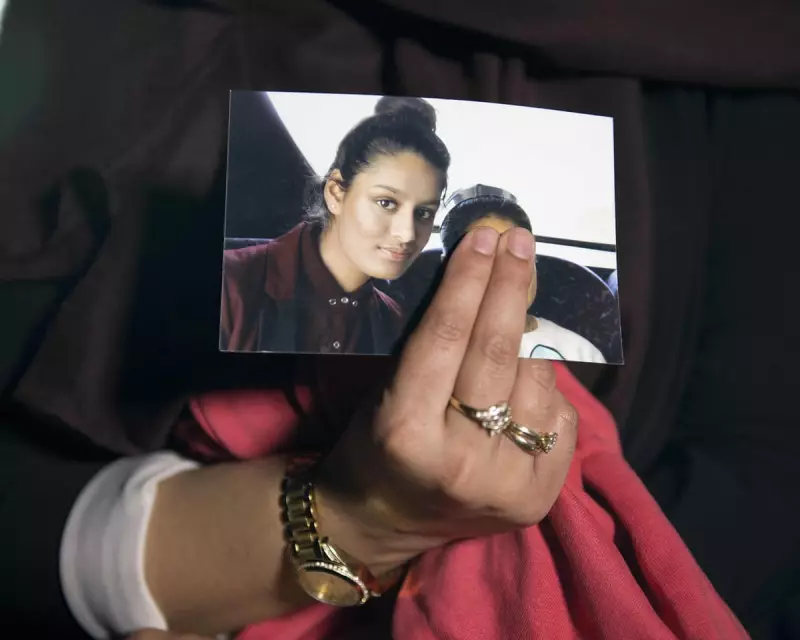
The legal battle surrounding Shamima Begum has ignited profound concerns for dual nationals across the United Kingdom, with an academic warning it establishes a dangerous precedent for the rights of naturalised citizens.
A Personal Fear for Millions
In a powerful intervention, Dr Alexander Smith, an associate professor of sociology at the University of Warwick, has voiced fears shared by many dual nationals. A naturalised British citizen originally from Australia, Dr Smith argues that the government's decision to strip Begum of her citizenship in 2019 creates a worrying blueprint that could be used against others.
"For people in my position, stripping Ms Begum of her British citizenship set a dangerous precedent," he states. Dr Smith, who has lived in the UK for half his life and been a citizen for nearly two decades, emphasises his law-abiding status as a taxpayer who claims no benefits.

Blurred Lines and Rising Rhetoric
The academic sharply criticises the political discourse around immigration, accusing figures like Nigel Farage and Reform UK of deliberately conflating distinct categories. He argues they blur the lines between "asylum seeker", "illegal immigrant" and "foreign-born national" – a category encompassing naturalised citizens.
He warns that both the Labour government and the Conservative opposition are normalising extremist rhetoric by framing it as addressing "legitimate concerns". This, he contends, sleepwalks the country towards a potential far-right political takeover, with policies designed to placate Reform voters further entrenching extreme views in the mainstream.
A Chilling Historical Echo
Drawing a stark historical parallel, Dr Smith notes that it was Nazi Germany and its fascist allies in the 1930s that systematically stripped Jewish and other minorities of their citizenship rights. While acknowledging widespread unsympathy for Begum's plight, he insists her case has monumental implications.
"If she can be rendered stateless despite being born and raised here and having never faced a criminal trial in the UK, none of our rights as naturalised citizens under a future Reform government are safe," he concludes. The case, now before the European Court of Human Rights, therefore matters deeply for the millions of British citizens born overseas who live within the law.
The concerns were highlighted in a media analysis by Peter Walker on 2 January, examining the high stakes of Begum's appeal. The image of Begum's eldest sister, Renu, holding a picture of her sibling during a London media interview in February 2015, remains a poignant symbol of the long-running human drama at the heart of this complex legal and ethical battle.






